Urban Studies

You are currently browsing the archive for the Urban Studies category.

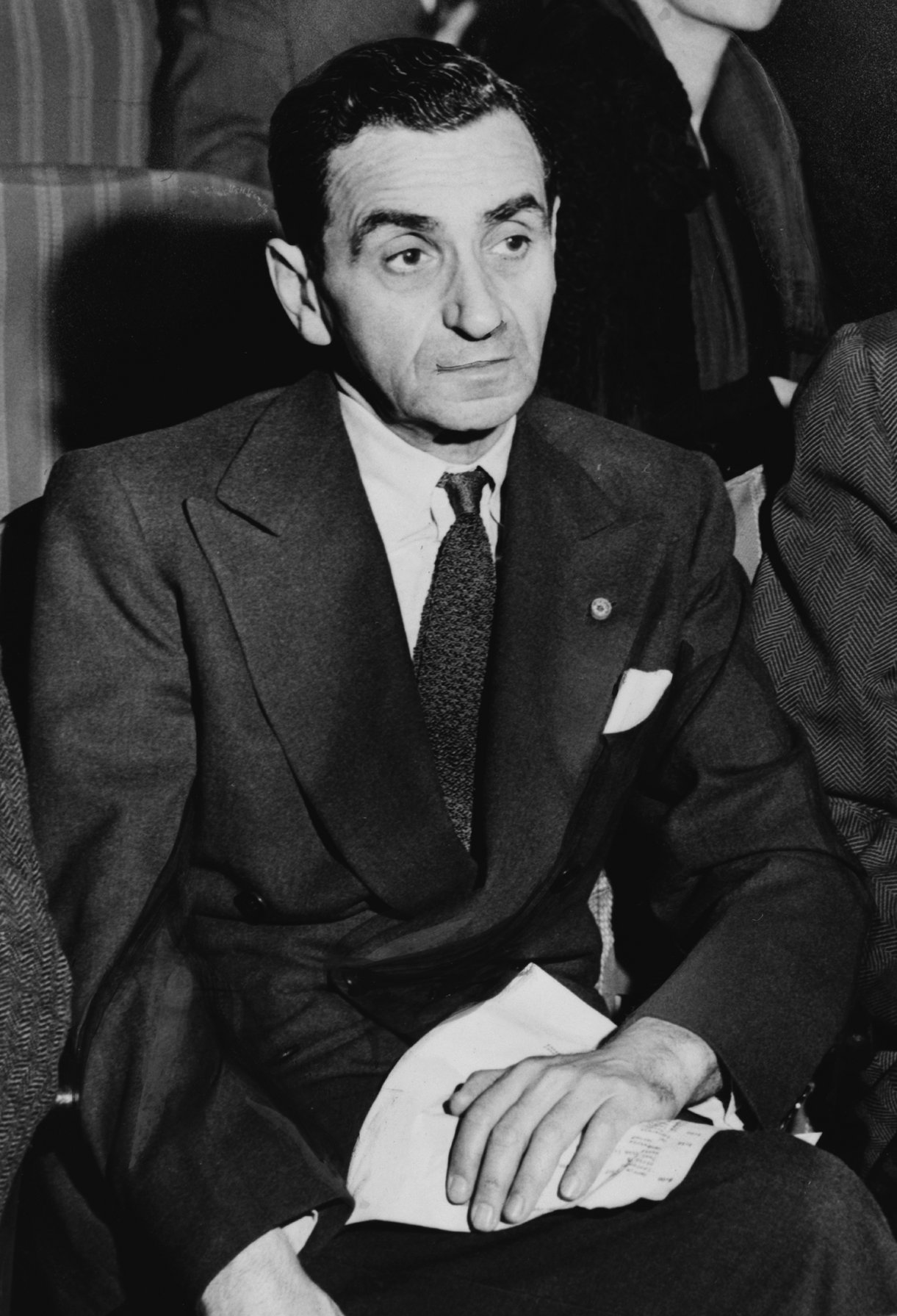
Irving Berlin's first published song was "Marie from Sunny Italy." He would improve. (Photo by Al Aumuller.)

With the aid of the very fun book, New York Year by Year: A Chronology of the Great Metropolis by Jeffrey A. Kroessler, I previously presented you with the ten most amazing historical moments in NYC in 1967. Today, I use the same volume to look at the most significant moments of 1906:

Read other Listeria lists.

Tags: , , , , , , , ,

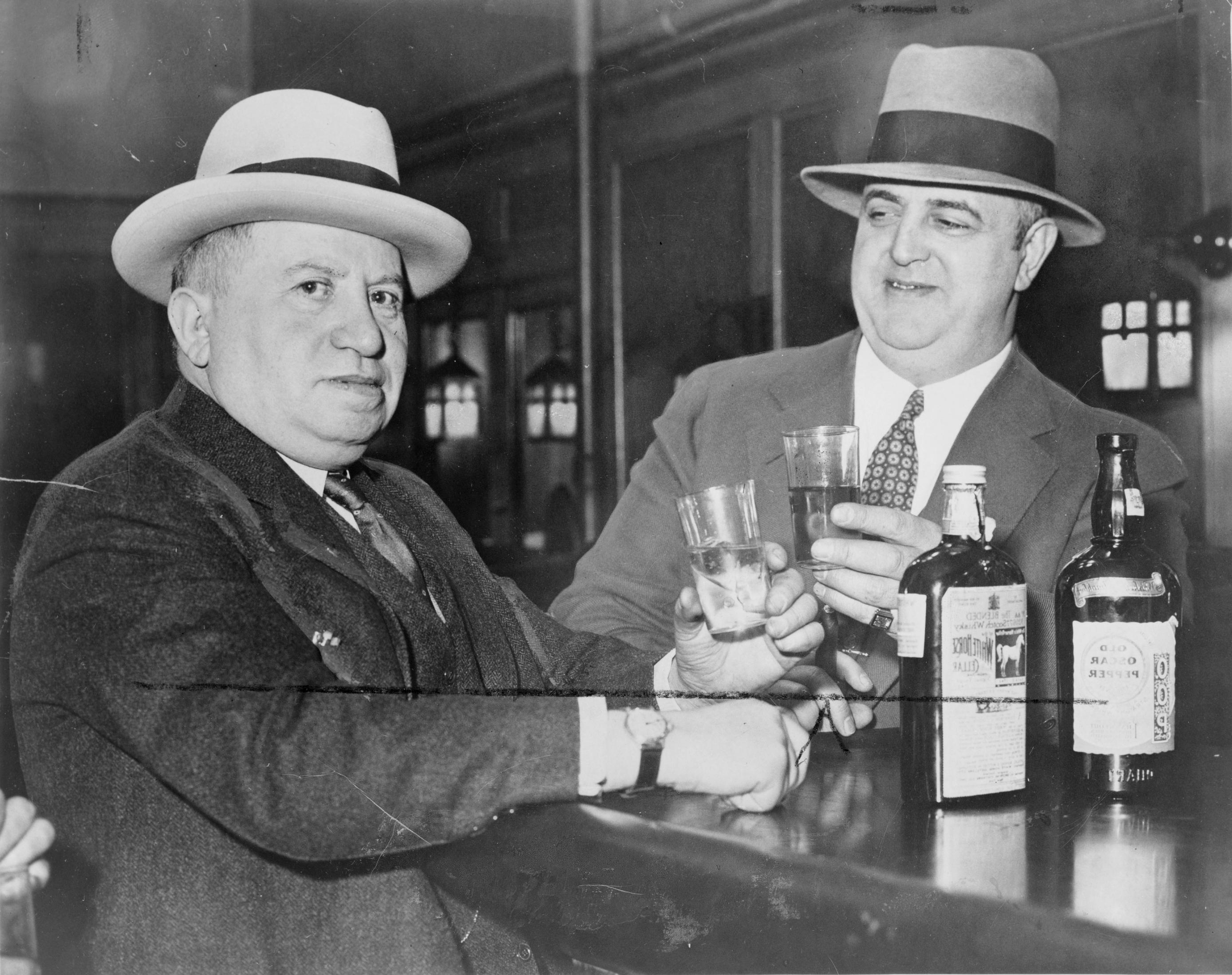
Cops Izzy Einstein and Moe Smith, who shuttered many a NYC speakeasy during Prohibition, enjoy a drink in 1935.

I just read “The Chemist’s War,” a really interesting article by Deborah Blum on Slate, which recalls how the U.S. Government killed roughly 10,000 Americans during Prohibition. Flummoxed by a complete disregard for anti-alcohol laws, the Feds created a program that poisoned alcohol to try to curtail drinking. An excerpt from the article:

“Frustrated that people continued to consume so much alcohol even after it was banned, federal officials had decided to try a different kind of enforcement. They ordered the poisoning of industrial alcohols manufactured in the United States, products regularly stolen by bootleggers and resold as drinkable spirits. The idea was to scare people into giving up illicit drinking. Instead, by the time Prohibition ended in 1933, the federal poisoning program, by some estimates, had killed at least 10,000 people.

Although mostly forgotten today, the ‘chemist’s war of Prohibition’ remains one of the strangest and most deadly decisions in American law-enforcement history.”

Tags:

I'll have extra seaweed flakes on mine, please. (Image courtesy of Nell. T.)

Those interesting economists at Marginal Revolution pointed me toward this fun Associated Press article by William Foreman, which looks at the latest attempts to popularize doughnuts in China. Although the Chinese have made room in their bellies and hearts for other Western chow, they have never warmed to the idea of downing doughnuts.

Taiwanese entrepreneur Patrick Li is convinced he can succeed where others, including Dunkin’ Donuts, have failed. He is trying to break through in the city of Guangzhou, thinking the answer to the problem is to tailor the treat to preexisting Chinese taste expectations. An excerpt from the piece:

“The doughnuts this entrepreneur is selling, in the city that gave its name to Cantonese cooking, won’t be readily recognizable to Westerners. They’re shaped like pearl bracelets, and toppings include ham and cheese, red spaghetti sauce, salmon, spicy beef and seaweed flakes.

Many of Lin’s doughnut lines follow the Japanese approach of using rice flour for a dense, chewy texture, much like Chinese desserts made of sticky rice.

‘The American-style doughnut doesn’t sell well in China because it’s too much like bread,’ said Lin. ‘It just won’t be accepted. You can’t justify selling it at a price higher than bread. It’s also too sweet.'”

Tags: ,

Not Rosie O'Donnell.

The Presidential race of 1888 was raging, as Benjamin Harrison and Grover Cleveland battled furiously for the White House amid the uproar over tariffs. (Harrison prevailed.) But in Brooklyn, people were able to chill out thanks to the twin relaxations of base ball (spelled as two words in those days) and horse racing. In the August 16, 1988 issue of the Brooklyn Daily Eagle, an article simply title “Base Ball” addresses a resurgence in the popularity of what was considered even then to be a waning national pastime. An excerpt:

“Base Ball and horse racing divide with the Presidential campaign a large share of public attention. Indeed, judging from the amount of sporting news printed in the newspapers and the crowds which gather about the bulletin boards awaiting the latest returns from the field and track, it would seem most people are willing to let the tariff take care of itself until, at least, the warm days are over. The season has been generous in amusements of every kind, and among other things it has witnessed a revival of popular interest in the national game which cannot fail to be gratifying to those who had begun to think that its best days had vanished. The ball field may not possess the exciting and exhilarating influence of the track, but it enjoys an equal share of popularity, and in the East, at all events, it does not sufficiently appeal to the gambling instinct to render it vicious or offensive. Brooklyn’s renewed interest in base ball is due to the fact that for the first time in years the city is represented by a club of undoubted merit.”

Tags: ,

The original "Brooklyn Daily Eagle" published from 1841 to 1955.

The Brooklyn Public Library has put online the 1841-1902 archives of the Brooklyn Daily Eagle. Amid the earth-shattering stories of wars, treaties and calamities that effected millions are the bizarre stories that simply rocked a trolley-load of people. An excerpt from the December 17, 1899 article “Morey Loses A Foot In Trolley Mishap” which was subtitled “Passengers in a Coney Island Car Startled by an Exceptionally Queer Accident; Shock for the Motorman; Morey, who is a Well Known Gravesend Man, Exhibits Remarkable Nerve”:

“A ‘horrible accident’ occurred on a Brooklyn trolley car on Coney Island avenue yesterday afternoon. Lewis Morey, who for a long time has kept a bicycle repair shop and storage place on Surf avenue and who holds the championship medal for a twelve hour bicycle race, won at the Sea Beach Palace, was the victim. Morey had been to Manhattan and was returning to his home when the accident befell him.

While the car was moving at a fast rate of speed down Coney Island avenue toward the West End a woman passenger signaled the conductor to stop. The car was crowded and Morey was standing outside on the rear platform. As the car began to slow up the men on the platform tried to make way for the woman, stepped down on the stirrup of the car and sprang off.

The ground where Morey jumped off was very rough, and his foot striking a small stone, caused him to fall to the ground almost under the car. As Morey slipped and fell the woman standing ready to get off screamed and the conductor and the other men on the platform had little shrieks of horror torn from their throats at the awful sight.

As Morey’s right foot struck the stone it was given a twist and the right foot snapped off at the ankle, like a piece of brittle glass. The foot, encased in its shoe and with the upper end of the sock hanging out of the shoe mouth and hiding the snapped off joint, rolled a few feet away from the prostrate man.

As the car came to a standstill those inside rushed off, and, seeing the foot broken off and Morey lying like a dead man, they, too, began screaming. The conductor went wild with fright. He called to the motorman to come help with Morey, but that was not needed, for there were many willing hands. In an instant a dozen men were trying to get around Morey to carry him someplace where he could be given medical treatment. But nobody had the nerve to pick up the foot. All viewed it with agonized horror.

‘Oh, get away from me,’ Morey snapped out as the sympathetic passengers crowded around trying to lend him aid. This was rather startling coming from a man who had just lost his foot but the passengers were more than shocked when they saw the footless man rise up to a standing position and hobble around on his one sound foot and the jagged stump.

‘Where’d my foot go?’ Morey asked as he looked around for the missing member. ‘Darn that foot anyway.’

‘Oh, there it is,’ he exclaimed in a relieved tone as he caught sight of the foot and the shoe. Pushing several of the half dazed passengers aside, he picked up the foot and began to look at it in a rueful, sorrowful way.”

The kicker to the story was that Morey had a prosthetic limb, and what had fallen off was his artificial foot.  Clearly sounds like a fictional urban legend, but it was presented as fact.
Tags:

Hong Kong rose to great heights due in part to the unusual governing agreement between China and Britain.

The amazing Arts & Letters Daily referred me to an article in the British journal Prospect about a new and improved type of urban development in poor countries. The piece, “For Richer, For Poorer, authored by Stanford economist Paul Romer, is an in-depth look at the possibilities and perils of his pet project, Charter Cities.

Instead of richer countries sending aid down a sinkhole in poorly managed, impoverished cities. Romer contends that a charter be set up between a developed and underdeveloped country allowing the more prosperous nation to begin a new city with brand new rules on uninhabited land. Those who wish to migrate to the new city would be welcome to participate in the building of the urban environment.

I think the economist may be underestimating the will of many governments to keep their people poor and powerless to maintain their own positions, but it certainly can’t hurt to try. Perhaps a couple of successes will entice poor but basically benign societies to participate.

Romer uses the histories of Hong Kong and Mauritius for important lessons in how Charter Cities can succeed. An excerpt from his writing about Hong Kong:

“Hong Kong was a successful example of a special zone that could serve as a model for charter cities. In the 1950s and 1960s, it was the only place in China where Chinese workers could enter partnerships with foreign workers and companies. Many of the Chinese who moved to Hong Kong started in low-skill jobs, making toys or sewing shirts. But over time their wages grew along with the skills that they gained working with educated managers, and using modern technologies and working practices.

Over time they acquired the values and norms that sustain modern cities. As a result, Hong Kong enjoyed rapid economic growth.

Even if it had wanted to, the Chinese government acting alone could not have offered this opportunity. The credibility of rules developed over centuries by the British government was essential in attracting the foreign investment, companies and skilled workers that let these low-skill immigrants lift themselves out of poverty. As in Mauritius, authority rested ultimately with the British governor general, but most of the police and civil servants were Chinese. And the benefits demonstrated in Hong Kong became a model for reform-minded leaders in China itself.”

Tags:

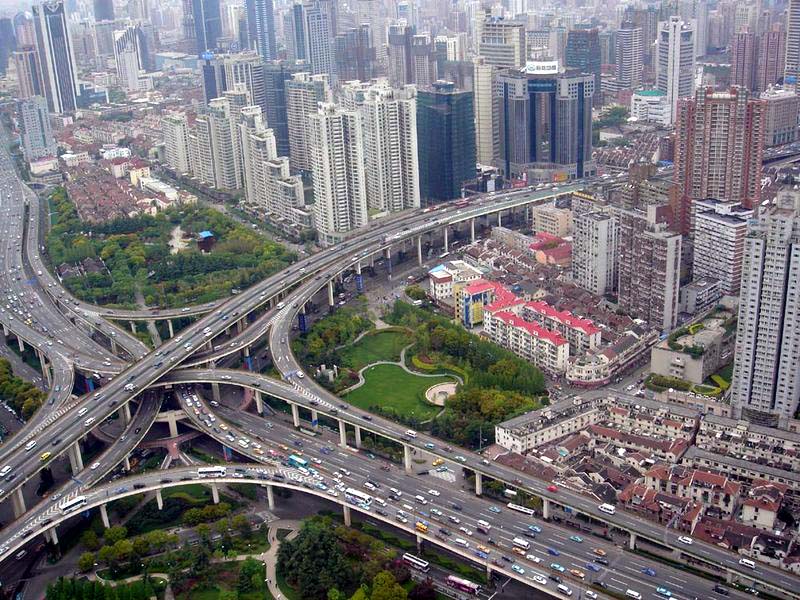
Shanghai's Puxi Viaduct, used by thousands of motorists each hour, has five levels of bridges connecting two of the city's busiest highways.

The great Newmark’s Door pointed me to “The 19 Most Dangerous and Complex Roads in the World” on waze.com. The feature presents photos and descriptions of some of the most treacherous driving you can imagine.

Only one of the killer pathways is here in the U.S.–Los Angeles’ Judge Harry Pregerson Interchange, an exhaustingly complicated maze that doesn’t seem possible outside of a video game. Perhaps the one that makes me the most vertiginous is Bolivia’s North Yungas Road (appropriately dubbed the “Road of Death“). An excerpt from the feature about this South American highway to hell:

“Famous for its extreme danger, it was christened as the ‘world’s most dangerous road’ in 1995 by the Inter-American Development Bank. The single-lane width, extreme drop offs, and lack of guardrails, only add to the danger lurking behind. Further, the fog and rain can make visibility poor and the road surface muddy, loosening rocks from the hillsides above. It is estimated that 200 to 300 travelers are killed per year on this treacherous road.”

Tags:

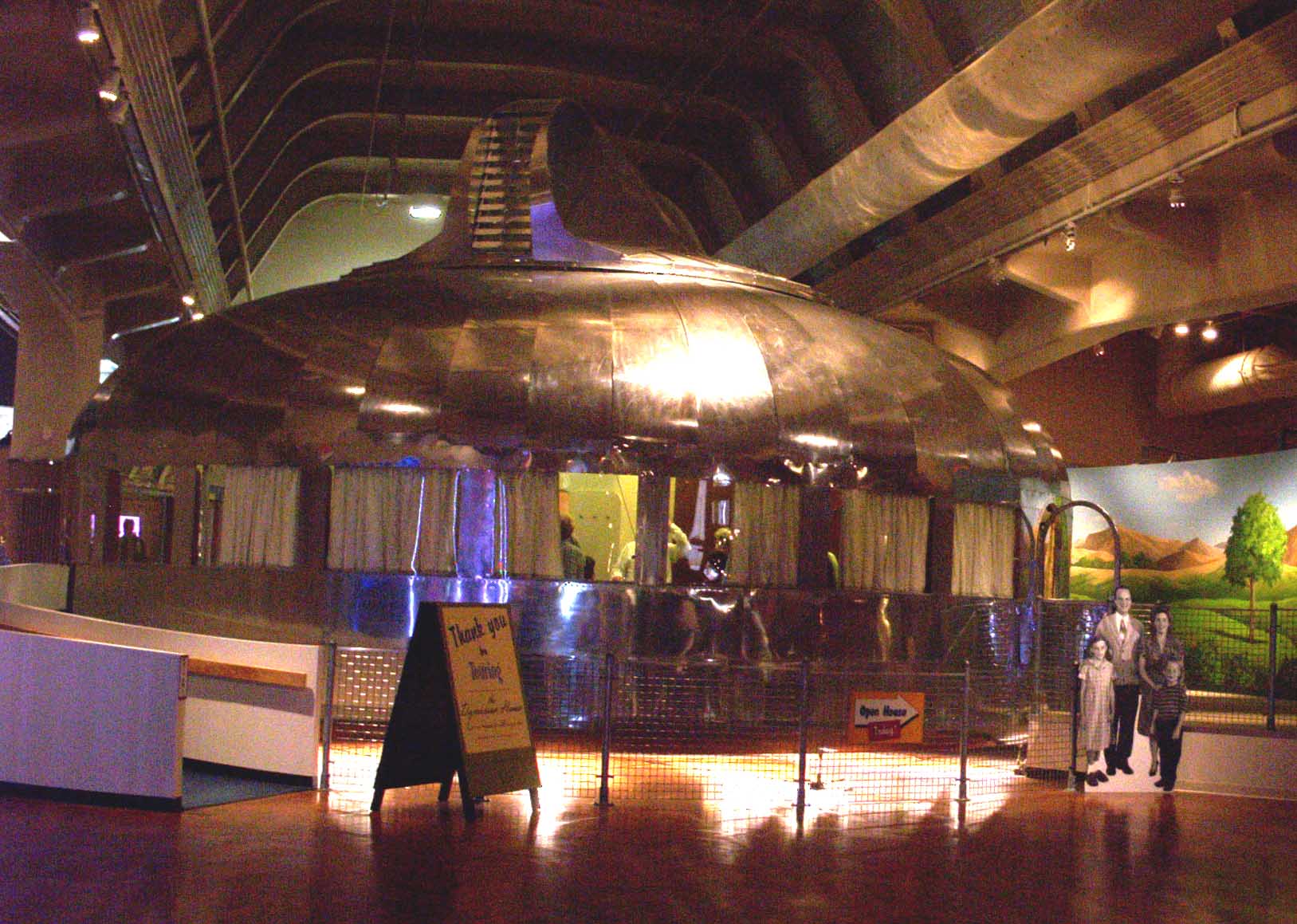
A Dymaxion House on display at the Henry Ford Museum in Michigan. (Image courtesy of rmhermen.)

Even though architect Buckminster Fuller has long been revered as a visionary theorist, not many of his designs, including several iterations of his pre-fab, space-age autonomous building, the Dymaxion House, ever caught on. In fact, no Dymaxion was ever built according to Fuller’s specifications and inhabited, even though it was energy efficient, had a waterless bathroom and was designed to withstand any climate.

But his futuristic house designs were taken seriously in a 1946 Life articleFuller House,” which was subtitled “Newest answer to housing shortage is round, shiny, hangs on a mast and is made in an airplane factory.” An excerpt from the article:

“Unveiled last week was the most startling solution yet offered for the U.S. housing shortage. It was a round aluminum structure, 36 feet in diameter. At its center was a mast, anchored in the ground. From it radiated cables on which walls and floors were hung. Around the outside ran a plastic window. On the roof ran a streamlined, revolving ventilator. The inside had four wedge-shaped rooms, two baths, range, dishwasher, refrigerator, garbage-disposal unit, three revolving closets and three electric bureaus.

Some called it a house, others a machine. Designed by Buckminster Fuller, it was made by Beech Aircraft Corporation, Wichita, Kansas, which expects to be producing it in volume by next January. The house is a descendant of Fuller’s 1927 Dymaxion House, but, unlike its ancestor, is eminently practical. Included in the hoped for selling price of $6500 are all appliances plus shipping and erection charges anywhere in the U.S.”

Tags:

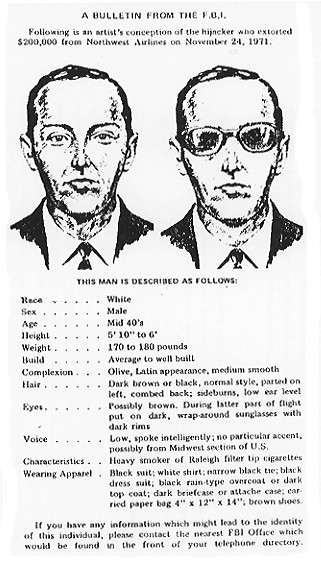
Cooper looks cool in his dark glasses. Let's make a movie glamorizing him. Is Johnny Depp available to provide one of his overpraised, one-note performances?

I’m always amazed when criminals become folk heros, like when John Dillinger or Bugsy Siegel are glamorized because somehow their lawlessness supposedly tapped into the anti-authoritarianism of our collective psyche. We must be very bored.

Think of all the honest people who struggle through difficult times without committing crimes. Some are part of movements that attempt to make society fairer. Or perhaps they just quietly try as best they can to raise their children well. Those people are the heroes, but usually the geniuses with the guns and getaway cars get more attention.

One such unlikely antihero was the shadowy lowlife D. B. Cooper, who became a cult hero after hijacking a 727 aircraft in November 1971 and securing $200,000 in ransom from Northwest Airlines before parachuting into oblivion. Because of his daring crime and subsequent disappearance, Cooper became a huge cult figure

His wanted poster is textually matter-of-fact apart from mentioning that Cooper was a “heavy smoker of Raleigh filter tip cigarettes.” The images look fairly Warhol-ish, which isn’t surprising consider the Pop Artist’s stature in the culture at the time. There is no reward money listed.

Tags: , , ,

A half-built McMansion looms like an insta-ruin. What will exist in its place in 10 or 20 years?

New York Times writer Timothy Egan won a richly deserved Pulitzer Prize for his excellent 2005 book about the Great Depression, The Worst Hard Time. He has an interesting post, “Slumburbia,” on the paper’s site about suburban ghost towns that have become commonplace during the Great Recession.

It’s a clear-eyed but not hopeless look at life in Foreclosure Alley, the California area considered the hardest hit American real estate market during this time of the Great Bust. As has so often been the case in our country’s history, it’s our best resource–new immigrants determined to make their way–that will likely save us from ourselves. An excerpt from the piece:

“After several days in foreclosure alley, this broad swath of the Central Valley that has been rated by some economists as the most stressed region during the Great Recession, I can’t see such apocalyptic forecasts coming true.

Yes, huge developments are empty, with rising crime at the edges, and thousands of homes owned by banks that can’t unload them even at fire-sale prices.

But through it all, the country churns and expands, unlike most other Western democracies. That great American natural resourced–tomorrow–will have to save the suburban slums.”

Tags:

Where my hose at?

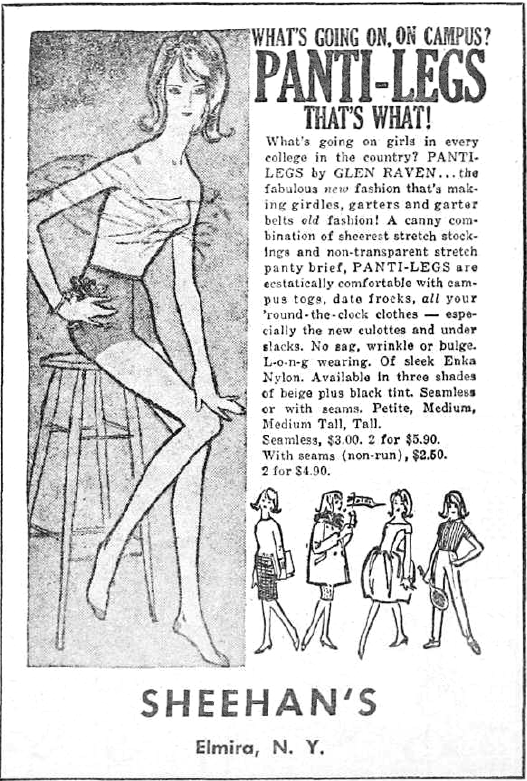
This 1961 advertisement in a New York University newspaper was one of the earliest ads for what were the first commercially available pantyhose. “Panti-Legs” were manufactured by a North Carolina fabric company named Glen Raven, which was founded in 1860 and is still in existence. A seamless pair of Panti-Legs would have run you $3 a pair back then. Glen Raven also makes awnings, flags and window covers. An excerpt from the ad copy:

“What’s going on with girls in every college in the country? Panti-Legs by Glen Raven! The fabulous new fashion that is making girdles, garters and garter belts old fashion. Panti-Legs are ecstatically comfortable with campus togs, date frocks, all your ’round-the-clock clothes–especially the new culottes and under the slacks. No sag, wrinkle or bulge.”

See other Old Print Ads.

Theodore Roosevelt called Chautauqua "the most American thing in America."

Got my paws on a bunch of ephemera that was stashed in an early 1900s bible owned by a family in Ripley, New York. I brought you a transcript of one piece yesterday–an article clipped from the Ripley Express about women cultivating facial beauty. Today I bring you an information sheet called “Chautauqua Tickets.”

Chautauqua, massively popular in the late 19th century and the early 20th century, was a progressive education and culture movement that was begun in 1874 by Lewis Miller and John Heyl Vincent in Southwestern New York State. It grew into a traveling circuit that brought lecturers, preachers, musicians, Shakespearean productions, balled performances, etc., to rural communities across the country. The advent of automobiles, radio and TV eventually diminished the need for barnstorming entertainment.

The flyer (no way to tell the exact date) informs that tickets are available at local businesses, including Avery’s Garage and J.F. Vandrick’s Druggist Shop. The copy reads: “The War Tax is included in the price of ticket. This will save the trouble patrons were put to in former years. Adult Season Ticket…$2.75, Children’s Season Ticket…$1.35.”

Tags: , , , ,

All of my wives are great, but you see that one right there, no the other one, she's my favorite.

National Geographic offers up a different sort of V-Day love story this month with a cover piece titled, Polygamy in America. The story looks at marriages with multiple wives in the Fundamentalist Church of Jesus Christ of Latter-Day Saints (FLDS), a sect that split from the Mormon faith in the 1920s and became centered in Colorado City, Arizona.

The sect became infamous in recent years when their compound in West Texas was raided by federal officials amid domestic abuse and child-endangerment allegations. Perhaps trying to change their public image, church elders opened their doors for National Geographic. An excerpt in which women from the sect discuss their unorthodox marriages:

“Joyce is a rather remarkable example of this harmony. She not only accepted another wife, Marcia, into the family, but was thrilled by the addition. Marcia, who left an unhappy marriage in the 1980s, is also Joyce’s biological sister. ‘I knew my husband was a good man,’ Joyce explains with a smile as she sits with Marcia and their husband, Heber. ‘I wanted my sister to have a chance at the same kind of happiness I had.’

Not all FLDS women are quite so sanguine about plural marriage. Dorothy Emma Jessop is a spry, effervescent octogenarian who operates a naturopathic dispensary in Hildale. Sitting in her tiny shop surrounded by jars of herbal tinctures she ground and mixed herself, Dorothy admits she struggled when her husband began taking on other wives. ‘To be honest,’ she says, ‘I think a lot of women have a hard time with it, because it’s not an easy thing to share the man you love. But I came to realize this is another test that God places before you—the sin of jealousy, of pride—and that to be a godly woman, I needed to overcome it.'”

Tags:

The bible is subtitled: "As Laid Down By Our Saviour--The Christ."

Got my gnarled, greasy, grimy, grubby fingers on a copy of a Cornerstones of Christianity bible that was owned by a Presbyterian family in Ripley, New York, in the early 1900s. While the good book itself is a standard hardcover copy of Testaments both New and Old (published by the John A. Hertel Company), there was a stash of newspaper clippings, personal letters, general-store receipts and other ephemera still pressed in the pages. The latest item appears to be dated 1916. One of the letters involves a missionary expedition to India.

I’ll bring you a transcript of each item in the days ahead. Today I’ll start with a newspaper article that was clipped from a local Ripley journal. I’d like to say it’s a horribly stupid, sexist piece that could never be published now, but is it really any more reductive than much of the the junk in today’s women’s magazines? Here’s a word-for-word transcript of the unbylined “Cultivation of Facial Beauty”:

“The woman who spends all of her money upon clothes and neglects her face and hair is no more interesting than a wooden figure decked to a gorgeous gown in a show window. A great artist once said to me that no clever woman would wear a garment or jewel to outshine her face. Meaning that the face should be the ornament and the garments should form the frame surrounding it.

Nothing looks more grotesque than an expensively gowned woman who has allowed her hair to become faded and neglects to dress her face. When I say ‘dress her face,’ I mean not only to wash it but to treat it with a pure face cream, which cleanses the pores of the skin, and the use of a little delicate, pure powder. Every woman past the age of 25 requires a little powder upon her face. There are secretions of dust and grease in the pores of the skin which cause a shine upon the surface that has an appearance of neglect.

The face, neck and hair should first be considered; the dress should be a secondary consideration. The quality of the hair, its care and manner of arrangement is a question only of attention. The quality of the complexion, its bloom and smoothness, is simply a question of exercise, cleanliness, and quality of creams and powders used.

First beautify your head, then fit your garments to suit it, and you will have a harmonious symphony pleasing to the eye and mind of all who behold.”

Tags:

McGee, one month before his assassination: "There is no danger of my being converted into a political martyr. If I were ever murdered, it would be by some wretch who would shoot me from behind."

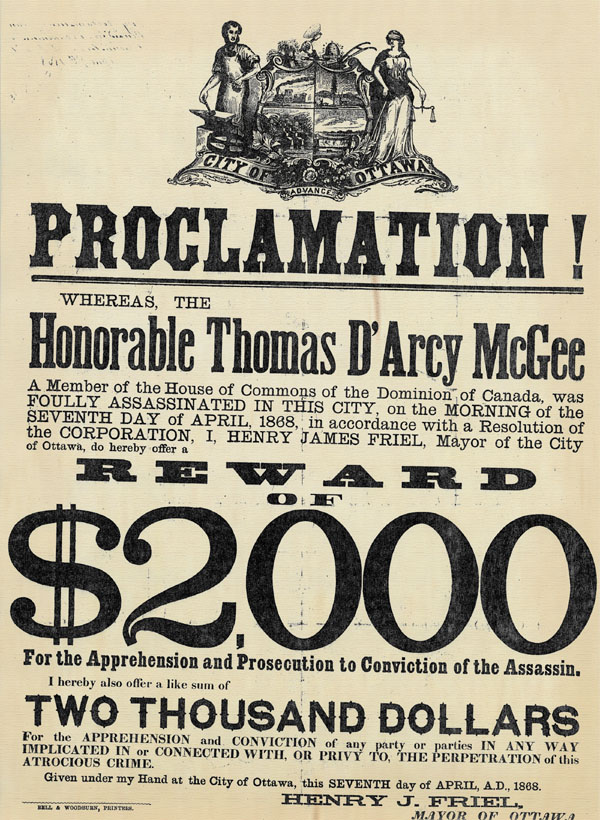
United States history is sadly awash in the blood of political assassination, but only one Canadian elected official at the federal level has ever been murdered. That unlucky soul would be Thomas D’Arcy McGee, an Irish-Canadian member of the House of Commons who was gunned down on April 7, 1868.

McGee, a radical activist who campaigned for the separation by any means necessary of Ireland and England, took refuge from arrest warrants by emigrating first to the United States and then Canada. McGee renounced his violent nationalist views by the time he called Montreal home and was allegedly gunned down for being a traitor to the cause by a radical nationalist named Patrick J. Whelan. Whelan was tried, convicted and hanged, but his guilt has been disputed ever since. An excerpt from the poster’s plea:

“A member of the House of Commons of the Dominion of Canada was FOULLY ASSASSINATED in this city on the MORNING of the SEVENTH DAY of April, 1868, in accordance with a Resolution of the CORPORATION, I, Henry James Friel, Mayor of the City of Ottawa, do hereby offer a REWARD OF $2000, For the Apprehension and Prosecution to Conviction of the Assassin.”

Tags:

Beautiful Isabella checks out a ripe gourd with dad.

Stunt journalism didn’t always have a bad name, not when George Plimpton was trying to quarterback an NFL team or become an extra in a David Lean epic. But over the last decade it’s become an increasingly high-concept field concerned more with sales pitches than truly interesting experiences.

Manhattan writer Colin Beavan entered this dubious landscape when he decided to turn a year-long experiment in extreme eco-consciousness into a blog, a book and ultimately this movie (directed by Laura Gabbert and Justin Schein). Beaven, wife Michelle Conlin (a Businessweek journalist) and their two-year-old daughter spent a year without TV, motorized transportation, electricity, air conditioning, elevators and many other modern conveniences that damage the environment. Beaven gets his book deal and plenty of attention (much of it negative), but at least in the film version the focus isn’t on being green but on the dynamics of his marriage.

Beavan is keenly aware what is happening when he tells his wife he thinks discussing their private lives on camera will turn the film into a reality-show spectacle. But spectacle is all they really have. As the initially reluctant Conlin begins to warm to the austerity of her passive-aggressive husband’s scheme, you have to wonder if it’s marital love driving her or the Stockholm syndrome.

Beavan and Conlin aren’t bad people who should be made sport of because they went without toilet paper for awhile. But it’s difficult to take much of this carefully calibrated publicity stunt very seriously.

Tags: , , , , , ,

Of course, I look like crap. Do you know how much opium I've taken?

The Manchester-born author and intellectual Thomas De Quincey is most famous for his 1821 drug tell-all, Confessions of an English Opium-Eater. Like all people with a drug addiction, his life was not a happy one. The odd and depressive De Quincey had begun using opium at age 19 while he was in college. He was persuaded to later write about his lifelong addiction and the resulting book was a great success. But the writer was bad with money and remained half a step out of the debtor’s prison for a good part of his adult life. He died in 1859. An excerpt from the book from the section “The Pains of Opium”:

“It will occur to you often to ask, why did I not release myself from the horrors of opium by leaving it off or diminishing it? To this I must answer briefly: it might be supposed that I yielded to the fascinations of opium too easily; it cannot be supposed that any man can be charmed by its terrors. The reader may be sure, therefore, that I made attempts innumerable to reduce the quantity. I add, that those who witnessed the agonies of those attempts, and not myself, were the first to beg me to desist. But could not have I reduced it a drop a day, or, by adding water, have bisected or trisected a drop? A thousand drops bisected would thus have taken nearly six years to reduce, and that way would certainly not have answered. But this is a common mistake of those who know nothing of opium experimentally; I appeal to those who do, whether it is not always found that down to a certain point it can be reduced with ease and even pleasure, but that after that point further reduction causes intense suffering.”

Tags:

The alleged letter from the killer identifying himself as "Jack the Ripper" was likely a hoax.

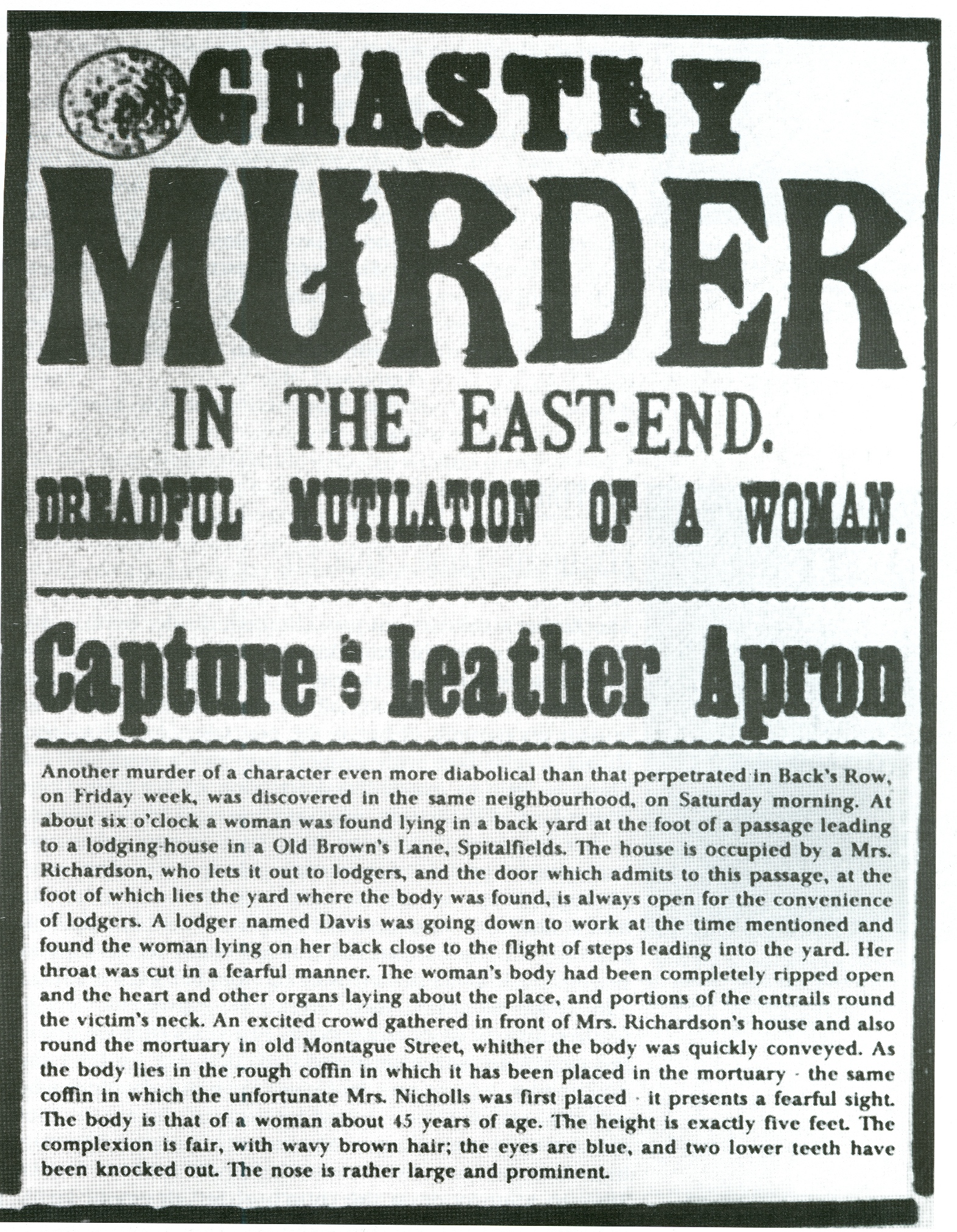
The infamous murderer of prostitutes in the Whitechapel district of London eventually came to be known as “Jack the Ripper,” but in this sensational 1888 tabloid piece the killer is called “Leather Apron.” It’s a lot subtler name but just as chilling, I think. Whenever I hear about a violent crime–past or present–my first thought is always that all of the people involved, perpetrator and victims, were once sitting at desks in a second-grade classroom learning basic math and reading. I guess it’s just a way to suppress the horror.

The newspaper article is visually plain but makes up for its lack of eye-grabbing graphics with prose dripping with tawdry detail (some of which exaggerated the facts). An excerpt:

“Another murder of a character even more diabolical than that perpetrated Back’s Row, on Friday week, was discovered in the same neighborhood, on Saturday morning. At around six o’clock a woman was lying in a back yard at the foot of a passage leading to a lodging house in Old Brown’s Lane, Spitalfields. The house is occupied by a Mrs. Richardson, who lets it out to lodgers, and the door which admits to this passage, at the foot of which lies the yard where the body was found, is always open for the convenience of lodgers. A lodger named Davis was going down to work at the time mentioned and found the woman lying on her back close to the flight of steps leading into the yard. Her throat was cut in a fearful manner. The woman’s body had been completely ripped open and the heart and the other organs laying about the place, and portions of the entrails around the victim’s neck.”

Tags:

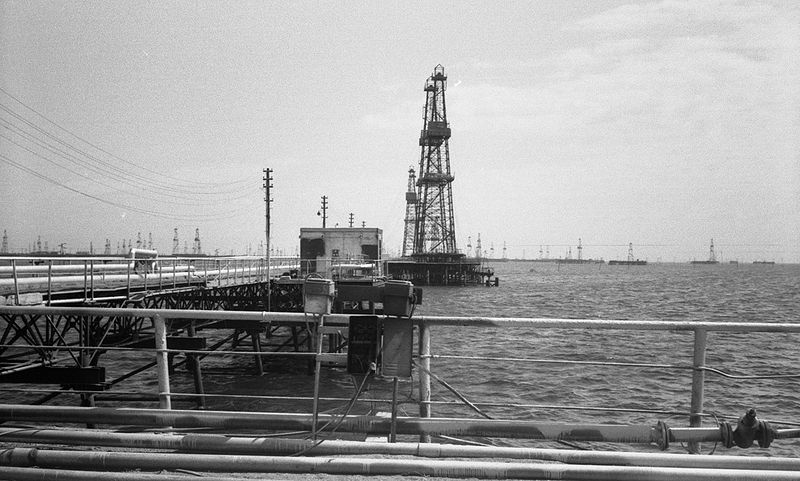
An oil platform in Baku pumps out the black gold.

The excellent Marginal Revolution pointed me to a Forbes story that lists the 25 dirtiest cities in the world. Never swear by a science-related article in Forbes or any other consumer magazine, but it wouldn’t be completely stunning if Baku, the capital of Azerbaijan, is truly the dirtiest city in the world. (Actually, poor Port-au-Prince, which ranked fourth dirtiest, would likely easily top the list if it had been compiled post-earthquake.)

Baku is awarded a total of 27.6 on the Health and Sanitation Index, which is slightly worse than the 131.7 scored by Calgary, which the magazine identifies as the cleanest urban area. What makes Baku so dirty is, unsurprisingly, its heavy reliance on a booming oil industry, particularly over the last two decades.

As Forbes explains, the city “suffers from life-threatening levels of air pollution emitted from oil drilling and shipping.” I guess it’s not bumming out the locals too much. Last year Lonely Planet voted Baku as one of the world’s top ten party cities. “The cash injection from energy projects, enhanced by the presence of thousands of international oil workers and wealthy consultants, has turned Baku into an oasis of excess,” boasts the travel guide. Party till you drop, indeed.

Tags: ,

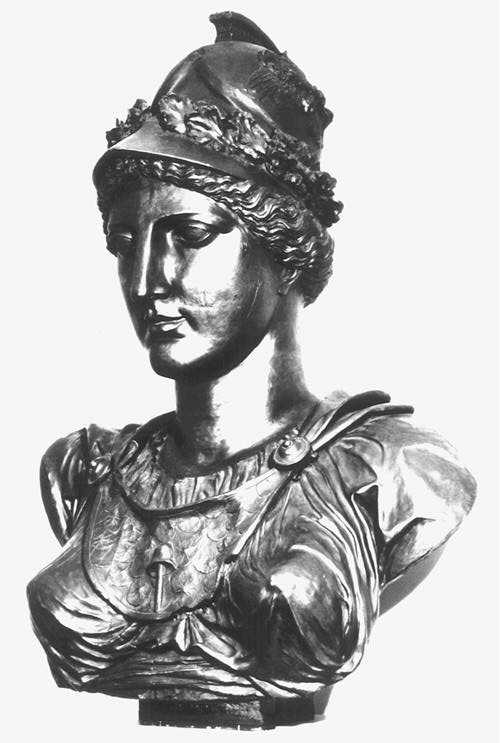
Minerva: Totally into wisdom and check out that great rack. Not too shabby.

Came across this strange article in a 1953 issue of Life magazine. “Classic Boom: Minerva’s Temple in Guatemala is Blown Up for Baseball Fans” chronicles a Central American temple being exploded to extend the stands of a baseball stadium. Minerva was the Roman equivalent of the Greek goddess Athena, so she was quite the A-list deity. Baseball is still played in Guatemala City today at the Enrique “Trapo” Torrebiarte Stadium–same site?–but I don’t believe there are any current MLB players from Guatemala. The opening of the article:

“Fierce Don Manuel Estrada Cabrera, dictator of Guatemala from 1898 to 1920, was a man of many quirks. To get elected president he used to draft all males into the army on election day, decorate them with campaign buttons and march them into the polls to vote for him. To encourage education he built temples to Minerva, Goddess of Learning, and called out the citizenry to hold fiestas around the shrines. In due time Don Manuel was forced out of office by an angry electorate which had come into possession of a few cannons. But his monuments remained. A baseball park grew up near the one in Guatemala City and as the game grew more popular more room was needed for grandstands. So one day last month Minerva’s temple came tumbling down, victim of ‘beisbol’ and large charges of dynamite.”

Tags: , ,

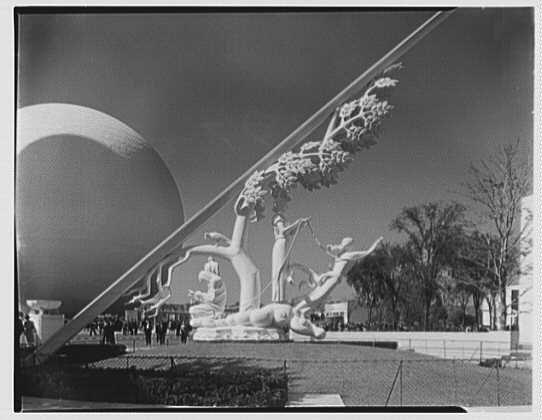
The sun dial at 1939 World's Fair in New York says it's time to watch a featured video.

Some of the things you’ll see in this soundless 10-minute video mash-up of home movies of New York’s 1939 World’s Fair: Fair Corporation President Grover Aloysius Whalen, the League of Nations building, the Baby Incubators building (though not any actual babies in incubators), Laff Land, a scary looking parachute ride, Admiral Byrd’s Penguin Island, the building housing Olga the Headless Girl (though not Olga or her neck stump), a daredevil being “frozen alive,” automobile stunts, dancing girls sunbathing topless (yup!), Penelope Shoo: The Scarecrow of Tomorrow, glass blowers, waterfalls, fireworks and many, many strips of Kraft Premium Bacon. Watch the video.

Tags: , , , ,

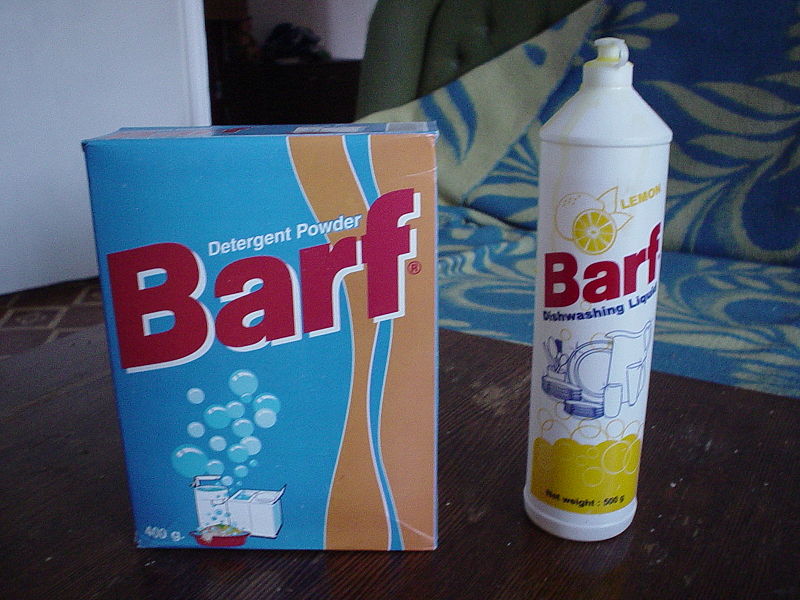
Because Diarrhea just won't get your laundry clean enough.

In Persian. the word “barf” means “snow.” In English, the word “barf” means “barf.” Thus we have a cultural disconnect. The Barf line of soap products is produced in Iran by a company called Paxan, which gulfbusiness.com refers to as “a leader in detergent, hygienic and intermediate chemical products and among the 100 superior companies in Iran.” Paxan makes many other brands that are not named “Barf,” but I find myself uninterested in them. It could be because I’m a complete fucking idiot.

Iran is one of the places that most fascinates me. Every person of Iranian descent I’ve ever met in the U.S. has been super smart and nice. Hopefully, the world will be different someday and visiting that country will be a possibility. Until then, they’ll be lots of jokes about Mahmoud Ahmadinejad washing his clothes in Barf. Here is a list of the top eight Barf products.

  • Barf Automatic Detergent Powder
  • Barf Bleaching Liquid
  • Barf Detergent Bar
  • Barf Detergent Powder
  • Barf Dishwashing Liquid
  • Barf Fabric Softener
  • Barf Scouring Powder
  • Barf Sourcing Powder

Tags: , ,

You can kick me in the head if you like, but please stop looking at me with your death-ray eyes.

I always thought martial arts became popular in the U.S. in the 1970s because of the TV series Kung Fu. But according to an article I found in a 1968 Life magazine, a different martial art became popular the previous decade. “Karate: New Tough-Guy Cult” examines the sport’s nascent popularity in America. An excerpt from the article’s opening:

“The worried looking would-be strongman, the one who looks like Woody Allen–that crack in the gut is only a sample of the trouble he’s on for. The oddly dressed platoon on its knees in the rain, they are there because rain, like an occasional thrashing with a bamboo pole, builds character. These particular character-builders are members of Brooklyn’s School of Scientific Karate and part of a growing army of U.S. devotees of the muscular cult. Inspired by the manly mayhem of film heroes–the Sinatra who split a table in The Manchurian Candidate, the Spencer Tracy who splintered a bad guy in Bad Day at Black Rock. Americans have made karate a national sport in less than a decade. The School of Scientific Karate (250 students) is only one of 750 karate schools scattered around the country. A dozen years ago there were none.

Developed in China and systemized in Japan, karate (which means “empty hand” in Japanese) is designed to kill or maim. But karateists like these Brooklynites are not aggressors. They practice a year to smash the edge of a hand into a brick, not a solar plexus. In practice they learn to pull their punches. Much of their practice is in pulling punches. And ultimately, according to practitioners, they get from karate the confidence–and the placid equanimity–that less determined souls find in religion.”

Cherish my space pee, California!

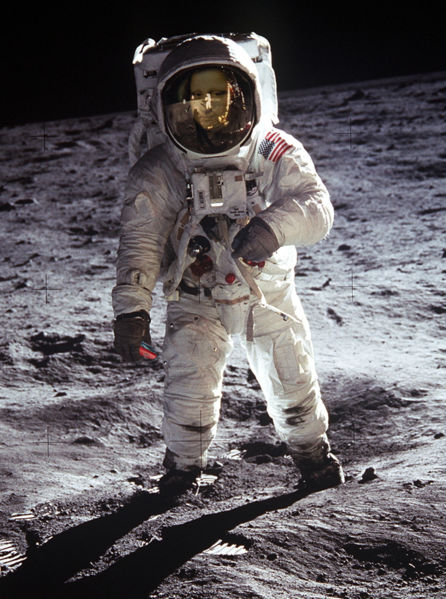
An interesting article by Jesse McKinley in the New York Times examines the fate of several tons of garbage left behind by the Apollo 11 mission. Seven states, including California, seek to stake a claim to this trash and protect it from potential moon landings by other countries and the development of a space tourist industry. An excerpt from the article:

“In one small step for preservation and one giant leap of logic, the official historical commission of California voted Friday to protect two small urine collection devices, four space-sickness bags and dozens of other pieces of detritus, all currently residing nearly a quarter of a million miles from the state…

Milford Wayne Donaldson, the state historic preservation officer, said the reasoning behind the first-of-its-kind designation was simple: Scores of California companies worked on the Apollo mission, and much of their handiwork remains of major historical value to the state, regardless of where it is now or what it was for used for then.

‘It has a significance that goes way further than whether it came from a quarter million miles away or not,’ Mr. Donaldson said. ‘They are all parts of the event.’”

Tags: ,

Thanks to the fine folks at boing boing who pointed me in the direction of this video of a soap box derby like no other. Amanda Pope‘s 24-minute film documents a 1975 race that saw more than 100 Bay Area artists (including Fletcher Benton, Viola Frey, Richard Shaw, etc.) create eye-popping, mind-bending soapbox racers and trophies to raise funds for the San Francisco Museum of Modern Art. The car designs are so great that I can’t choose a favorite. Maybe Benton’s Animal Crackers car or Shaw’s pencil car.

Tags: , , ,

« Older entries § Newer entries »