Urban Studies

You are currently browsing the archive for the Urban Studies category.


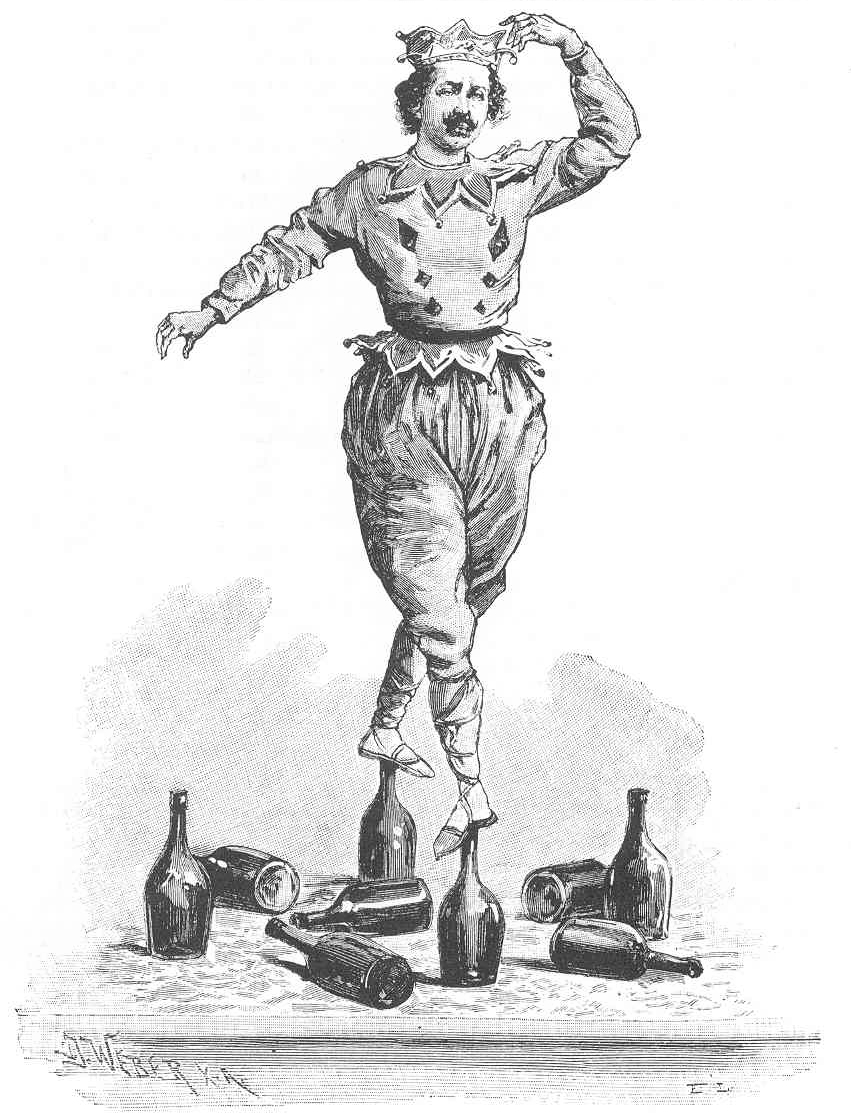
Dancing clown: Own me and 143 of my friends for just $6.

According to an ad in the March 6, 1948 issue of Billboard magazine, the following are the prices for items that were sold by the Harris Novelty Company of Philadelphia. The advertsiement was included in the section known as “Pipes for Pitchmen,” which focused on the loose collection of itinerant street peddlers who traveled around the country looking for good places to sell.   

  • Monkeys with sticks…$21 per gross
  • Dancing clowns…$6 per gross
  • Robin Hood hats with feather…$7 per gross
  • Long lash whips…$11 per gross
  • Baby shoes with roller skates…$2 per dozen
  • Inflatable rubber squeaky crying dolls…$2.75 dozen
  • Chinese snakes…$8 per gross
  • Water squirt rings…$21 per gross
  • Metal running mice…$12 per gross
  • Medium cat balloons…$4 per gross
  • Cop callers for autos…$2 per dozen
  • Rabbit feet with keychain…$4 per hundred
  • Electric bow ties, with batteries…$7.50 per dozen

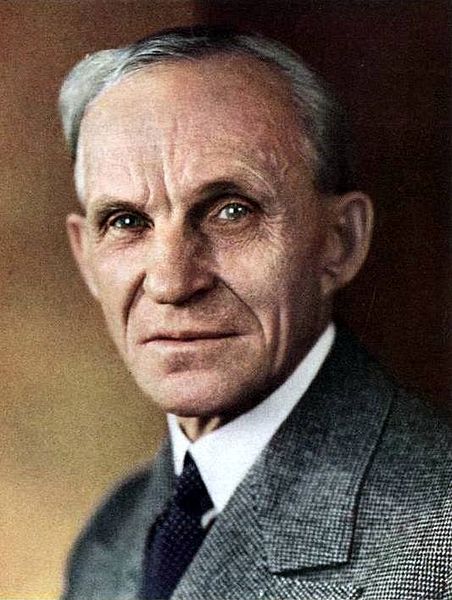
Henry Ford: This movie is an utter blowjob to my legacy, but it contains some fantastic footage of America from 1915-1930.

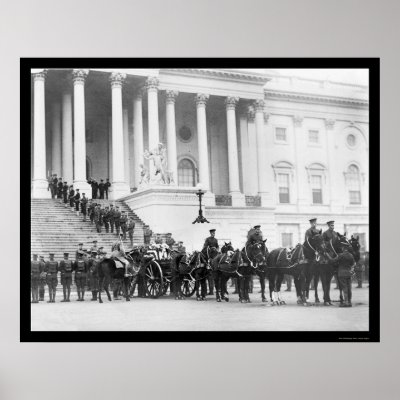
It was probably because he was close friends with Thomas Edison that Henry Ford became so interested in film. In his lifetime, the automotive magnate collected miles and miles of film footage that captured America in the early 20th century. The Ford Historical Film Collection (now housed at the National Archives) were used to create “Henry Ford’s Mirror of America,” an unobjective 35-minute piece of embarrassing pro-Ford propaganda that also happens to contain some amazing footage of the U.S. during the birth of the Industrial Revolution. Some highlights: a reunion of Civil War veterans (Blue and Gray) in Vicksburg in 1917, an Atlantic City hotel shaped like an elephant, the naturalist John Burroughs meeting his adoring public, Buffalo Bill Cody and his circus in action in 1916, women riveting in factories during WWI and the burial of the Unknown Soldier. Enjoy Part 1 and Part 2.

Tags: , ,

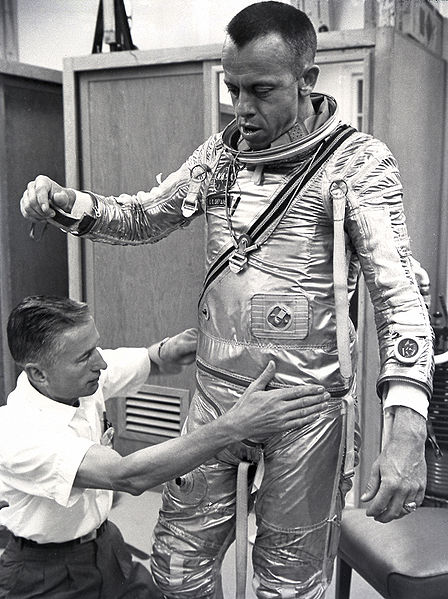
Alan Shepard: I'm not a gorilla, and please stop trying to squeeze my hands.

GORILLA IN SPACESUIT–SQUEEZE HIS HANDS & HE TALKS – $10 (BAYSIDE, QUEENS)

Adorable. Wears silver spacesuit and helmet. When you squeeze his hands, he will talk. Excellent condition.


More Craigslist ads:

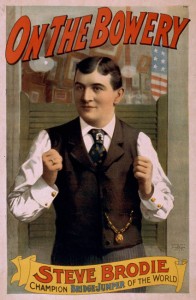
"Steve Brodie: Champion Bridge Jumper Of The World."

Steve Brodie was a New York bookie who gambled on the public’s need for heroes. Brodie grew famous in the late 19th century for an array of daring deeds, but he really only had one mighty talent: hoopla.

The popular Bowery character became a national celebrity in 1886 when he supposedly survived a leap from the recently opened Brooklyn Bridge–or so he claimed. Brodie likely had a dummy thrown off the span while he stayed out of harm’s way under a pier, but the press and public swallowed the story whole. Soon, the phrase “pulling a Brodie” was used whenever anyone performed a large, flamboyant gesture. He was the Houdini of hooey and the “daredevil” rode the publicity to success as a Manhattan saloon owner.

Once he tasted fame, Brodie wasn’t going away without a fight. The barkeep subsequently claimed a laundry list of other bridge dives and awesone feats that were likely equally bogus. But even if his boasts were illegitimate, Brodie’s notoriety landed him roles in legitimate theater, including 1894’s On the Bowery. The problem was, his whole life was a stage act and you never knew what was real and what was fake. As a result, Brodie’s obituary was written prematurely many times over the years.

The real one ran in The New York Times on February 1, 1901, under the title “Steve Brodie Dead; Picturesque Career of Famous Bowery Character Ends at San Antonio, Texas.” (The Times had previously pronounced him dead three years earlier.)

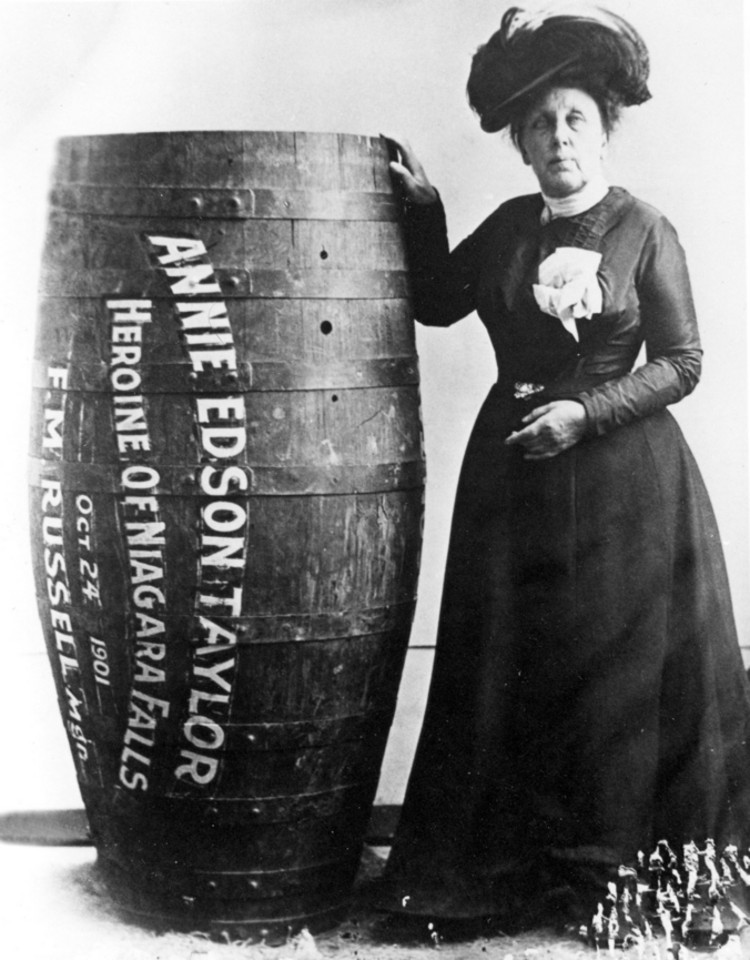
Another time Brodie was hastily drowned in a pool of ink was in a September 7, 1889 article in the Brooklyn Daily Eagle, which reported that Brodie had been seriously, perhaps fatally, wounded (false) after becoming the second man to go over Niagara Falls in a barrel (false), just days after a barrel maker named Carlisle D. Graham had become the first to accomplish the feat (also false). An excerpt:

“The peculiar form of insanity which Steve Brodie has shown has comprised an ambition on his part to outdo anyone else in jumping from great heights, or in the undertaking of great risks. He has jumped from the Brooklyn Bridge, the Harlem High Bridge, the Cincinnati Suspension Bridge, over the Falls of the Genesee and from other great heights.

Annie Taylor, the first person to genuinely go over Niagara Falls in a barrel and survive. She performed the feat in 1901.

To-day it was reported he went over the Horseshoe Falls at Niagara, in a barrel, and that he has been taken up severely, and it is believed fatally, hurt. This last effort was doubtless made in emulation of the report that the idiot cooper named Graham went over the Falls in a barrel the other day. It is reputably declared that Graham did nothing of the kind, and that the report was a fraud to enable him to exhibit himself at paying rates in cheap museums.

There seems to be no doubt, however, that Brodie believed the Graham story and resolved to equal or exceed the attempt. If his temerity costs him his life, he will only have himself to blame. There will, however, be some sympathy with him because he was local to these communities and because he had undoubted pluck or recklessness. Should he emerge a cripple for life or should he finally recover, ground for his apprehension as a lunatic would be supplied by his last effort. It is a fact, however, that those who surround him are interested in urging him on to risk after risk, and that they make capital out of his peculiar form of audacious insanity. It will be remembered that Brodie’s most successful rival, Donelly, we think his name was, lately lost his life bridge jumping in England.

Legislation is required to deal with cranks of this kind. The community would not be critical of the character of such legislation, if only it was effective. Peremptorily to rate the cranks as insane, to shave their heads and to lock them up to be looked at by the public would stop their business.”

Tags: , ,

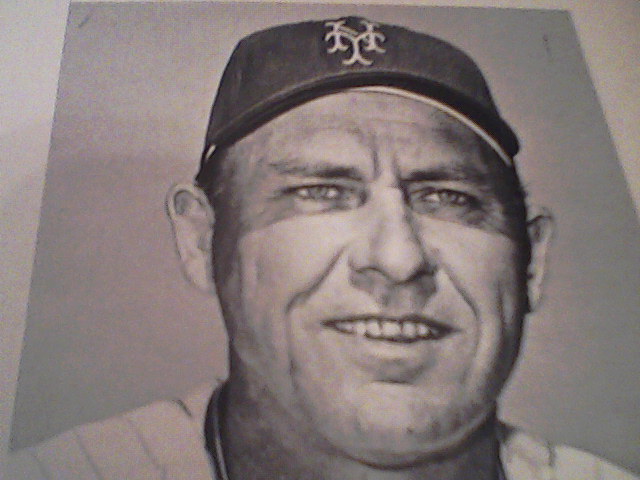
Manager Gil Hodges: Those 15¢ cigars helped us upset the heavily favored Baltimore Orioles in the World Series.

According to a 1969 New York Mets scorecard, here are the prices for items on sale that season at Shea Stadium concession stands. For the love of god, remember to floss!

  • Frankfurter…40¢
  • Hamburger…55¢
  • Knishes…35¢
  • Pizza…35¢
  • Ham sandwich…55¢
  • Cheese sandwich…50¢
  • Corned Beef sandwich…60¢
  • Egg Salad sandwich…50¢
  • Meat Ball Hero…85¢
  • Hard Roll Hero…85¢
  • Shrimp Basket…95¢
  • Chicken Basket…95¢
  • French Fries…30¢
  • Milk Shake…35¢
  • Ice Cream…25¢
  • Cake…25¢
  • Pie…25¢
  • Floss…25¢
  • Peanuts…25¢
  • Popcorn…25¢
  • Potato Chips…25¢
  • Candy…15¢
  • Gum…10¢
  • Crackerjacks…25¢
  • Cigarettes…55¢
  • Cigars…15¢
  • Soup…20¢
  • Milk…25¢
  • Ice Tea…25¢
  • Soft Drinks…15¢ (small), 25¢ (large)
  • Beer…55¢
  • Ale & Premium Beer…60¢
  • Coffee…20¢ (small), 25¢ (large)
  • Hot Chocolate…20¢ (small), 25¢ (large)
  • Scorecard…25¢
  • Pencil…10¢

Tags:

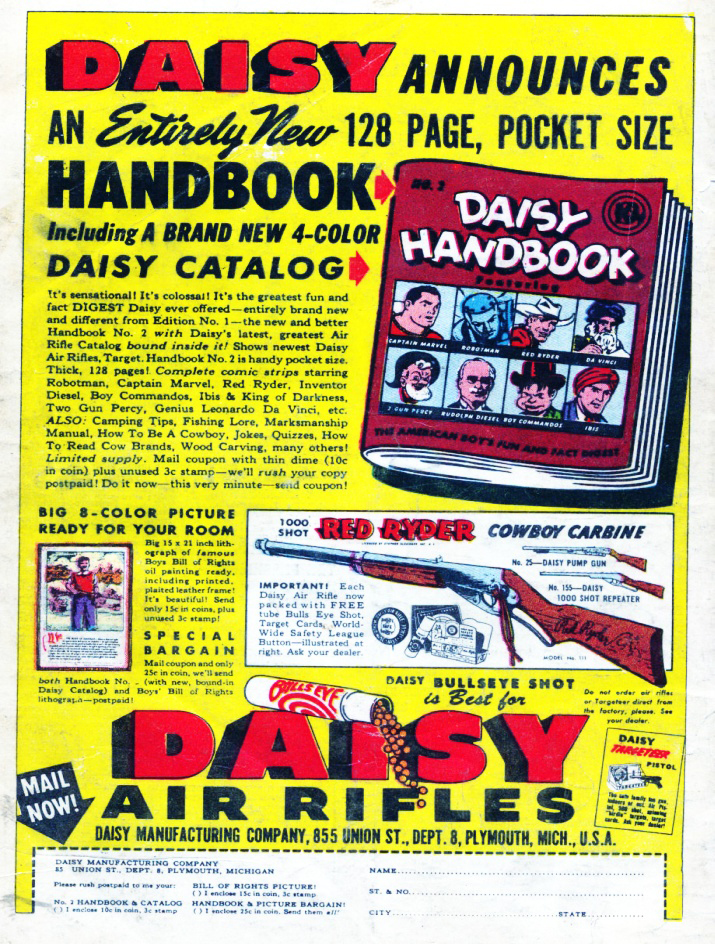
Air rifles will help your sons build confidence.


This 1948 pocket-size comic book (priced at 10 cents), produced by the Plymouth, Michigan, air-rifle seller known as Daisy, offered a variety of heroic tales (Captain Marvel, Robotman, Red Ryder) and cartoon histories (Leonardo Da Vinci, German mechanical engineer Rudolph Diesel, Cleveland Indians pitcher Bob Feller). And of course, it contained an 8-page catalog of Daisy Air Rifles, including the 1,000-shot repeater Cowboy Carbine and the Daisy Pump Gun, both available for purchase. But wait, there’s more, and some of it involves cows! An excerpt: 

“ALSO: Camping Tips, Fishing Lore, Marksmanship Manual, How To Be A Cowboy, Jokes, Quizzes, How To Read Cow Brands, Wood Carving, many others! Limited supply. Mail coupon with thin dime (10c in coin) plus unused 3c stamp–we’ll rush your copy postpaid! Do it now–this very minute–send coupon.” 

More Old Print Ads:

Tags: , ,

According to his website, attorney Steve Miller is happily married, although he doesn’t seem to think very highly about your crap marriage. The Florida divorce attorney doesn’t sugarcoat the way he feels about your terrible domestic situation in this brazen TV commercial. Trial separations are for the weak, people!

Tags:

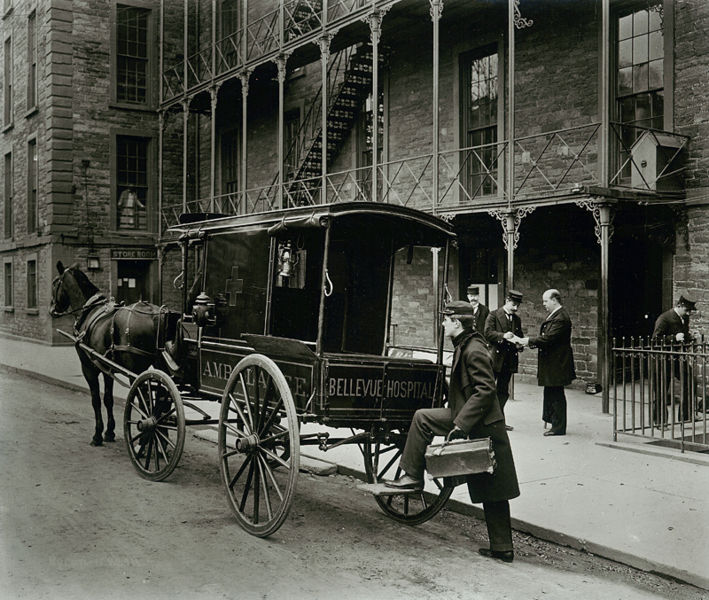
Bellevue Hospital, in the 1890s, would have been a good place for Henry Hertzel.

Henry Hertzel wasn’t exactly an ideal neighbor. A slaughterhouse worker in Lower Manhattan near the end of the 19th-century, Hertzel was batshit crazy and eager to demonstrate his special brand of insanity. To add to matters, it would appear according to this article I found that his undergarments were somehow “socialistic.” On August 17, 1890, the Brooklyn Daily Eagle had a piece about a man who scared an entire neighborhood. An excerpt:

“Henry Hertzel resides at 325 First avenue, New York, and among the residents of the vicinity is better known as the crazy terror of First avenue. As the story goes, Hertzel gets as crazy as can be at intervals, and during those periods he seems wholly bent upon the destruction of everything within reach.

One of these spells seized him yesterday morning. He arose and, as his wife thought, started to his work in a slaughter house on the east side. He did not go there. Instead, he called at Louis Siglock’s men’s furnishing store, at 837 First avenue, where he purchased a suit of red underclothing, telling the party in the store, who knew him, to send to his house for the money, as his wife had it. Later on Mr. Siglock called for the money. By this time Hertzel had returned to his home and went to bed with his brand new suit on. When he heard Siglock demanding the money he jumped out of the bed and, divesting himself of his socialistic garments, sent them flying out of the window and, while in a nude state, sent the dry goods man from the house at full speed, threatening to kill him. Shortly afterward Hertzel dressed himself and went to a saloon and coffee house kept by one Besthoff, at 833 First avenue, and at once proceeded to take charge of the place, but was finally ejected.

This seemed to arouse his frenzy. He dashed across the way to a bakery kept by Mr. Smith. Here he tried to seize a large bread knife. Mr. Smith saw that there was something wrong, and saw as well that the madman wanted the knife. The baker was too quick for him, and Hertzel, instead of getting the weapon to revenge himself upon the saloon people, found himself stretched on the floor with a well directed blow by Mr. Smith. Picking himself up Hertzel rushed back to the saloon from which he had been ejected. Now he was clean mad and everyone made way for him. When he reached the saloon he found the screen doors fastened against him. With one wrench he had them off their hinges and flung them into the street. This finished, the now utterly crazed man stopped at nothing and in a furious manner proceeded to destroy everything he could lay his hands on and cleaned out the place entirely.

He then made a dash for the street and the first man he encountered was Siglock, the men’s furnishing man. Then he got mad in earnest and bore down upon Siglock like a wild Texan steer. In a trice they both were engaged in a fierce hand to hand struggle. By this time, at least a thousand men, women and children had gathered in the vicinity. Three policemen now came up and it took all their strength to arrest the crazy man.”

Tags: ,

"Two men had been voting for themselves at 10 cents a vote in a contest to decide which was the handsomest man in Sheepshead Bay."

In the August 20, 1893 issue of the Brooklyn Daily Eagle, there was a particularly disquieting item about sheer dandyism. A couple of vain men caused a disturbance when they used fisticuffs to try to settle a disagreement over which one was the handsomer. Such ugly behavior from such angel-faced fops. An excerpt:

“Two men had been voting for themselves at 10 cents a vote in a contest to decide which was the handsomest man in Sheepshead Bay. The money was to go to Father Hoffman’s church. The young men were evidently jealous of each other for, although in this contest money talked rather than looks, each accused the other of looking worse than the accuser, and he shortly proceeded to make his statement good by pushing the other one’s face against the back of his head. As a result, neither of these young men is fair to look upon to-day, and their good priest has brought the brawlers to book from his pulpit.

In future contests of this kind a man ought to be debarred from voting for himself. There are no good-looking men any-way, but if the girls think there are, it is their place to vote for them, not the men. Men are conceited creatures, and they ought not to be allowed to make such exhibitions of their conceit. Next time restrict the beauty contests to the girls. They may call each other mean things, but they will not use their fists and nails to wrest a prize.”

    An incredibly inept wedding DJ follows up some patter (which would have sounded more appropriate at a cattle auction) by playing with a woman’s breasts. (Thanks Boing Boing.)

    Virginia Tighe told the truth as far as she knew it, but it really wasn’t far enough.

    The Colorado housewife caused a sensation in the U.S. in 1950s when, under hypnosis, she described with a perfect brogue the details of her earlier life as “Bridey Murphy,” a 19th-century Irish woman. Tighe (who was only identified by the pseudonym “Ruth Simmons” at the time) had never visited Ireland and seemingly had no way to know the quotidian detail of life in Cork and Belfast in the previous century.

    When her hypnotist Morey Bernstein subsequently released a book about her story, The Search for Bridey Murphy, it quickly became a bestseller and a reincarnation craze swept the nation. Pretty soon the name “Bridey Murphy” was as famous as Dwight Eisenhower or Mickey Mantle, even if she never existed, at least not as Tighe’s earlier self.

    Official records were later checked and the story began to fall apart. It eventually came to light that when Tighe was a small girl, a neighbor lady named Bridey Murphy Corkell had told her stories about her childhood in Ireland. Over the years, these tales of another land had become repressed memories for Tighe. So she was relaying the past alright, just not her own. But for a while, it was mania.

    In the March 19, 1956 issue, Life offered its take with “Bridey Murphy Puts the Nation in a Hypnotizzy.” An excerpt:

    Last week a considerable part of the U.S. lay under an Irish spell and the spell was becoming deeper and wilder as fast as the written word, awed gossip and the televised image could spread it. The genie responsible was a red-haired Irishwoman named Bridey (short for Bridget) Murphy, who may or may not have lived in early 19th-century Belfast and Cork, and who made her presence known, in eerily factual detail, during a series of hypnotic sessions held some time ago in Pueblo, Colorado. Bridey spoke through the hypnotized person of an attractive young Pueblo matron whose pseudonym is “Ruth Simmons.” While deep in a trance she told how she had grown up in early 19th-century Ireland, married, died and then even watched her own funeral.

    The hypnotist was Morey Bernstein, a 36-year-old Pueblo businessman of impeccable reputation and honesty, who had taken up hypnotism as a hobby. He summoned up Bridey by a familiar technique known as hypnotic regression, whereby the hypnotist leads his subject back to adolescence or early childhood. Going one step further, Bernstein attempted to take his subject back before birth, and the next thing he knew he was listening to Bridey Murphy’s rambling discourse.•

    Tags: , ,

    Say "cheese," China.

    I recently put up a post about Shanghai World Expo 2010, China’s current World’s Fair, which is the most expensive event in the history of the planet. I just came across some large-scale, eye-popping photos of the Expo on The Big Picture photography site. As usual, that site’s outdone itself with some truly amazing images. I don’t have permission to reprint any of the photos here, but go have a look at the collection and be prepared to be awed. My only commentary is that if Ron Mueck isn’t getting royalties on the gigantic baby sculpture (the first image in the set), he should sue.

    More World’s Fair posts:

    Tags:

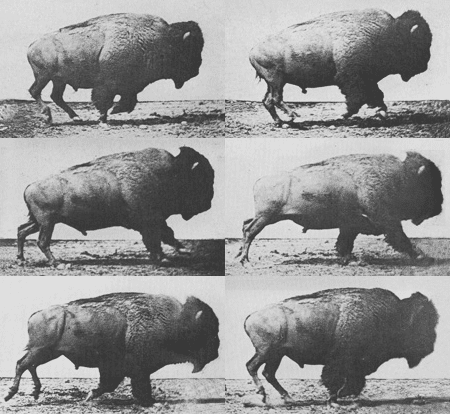
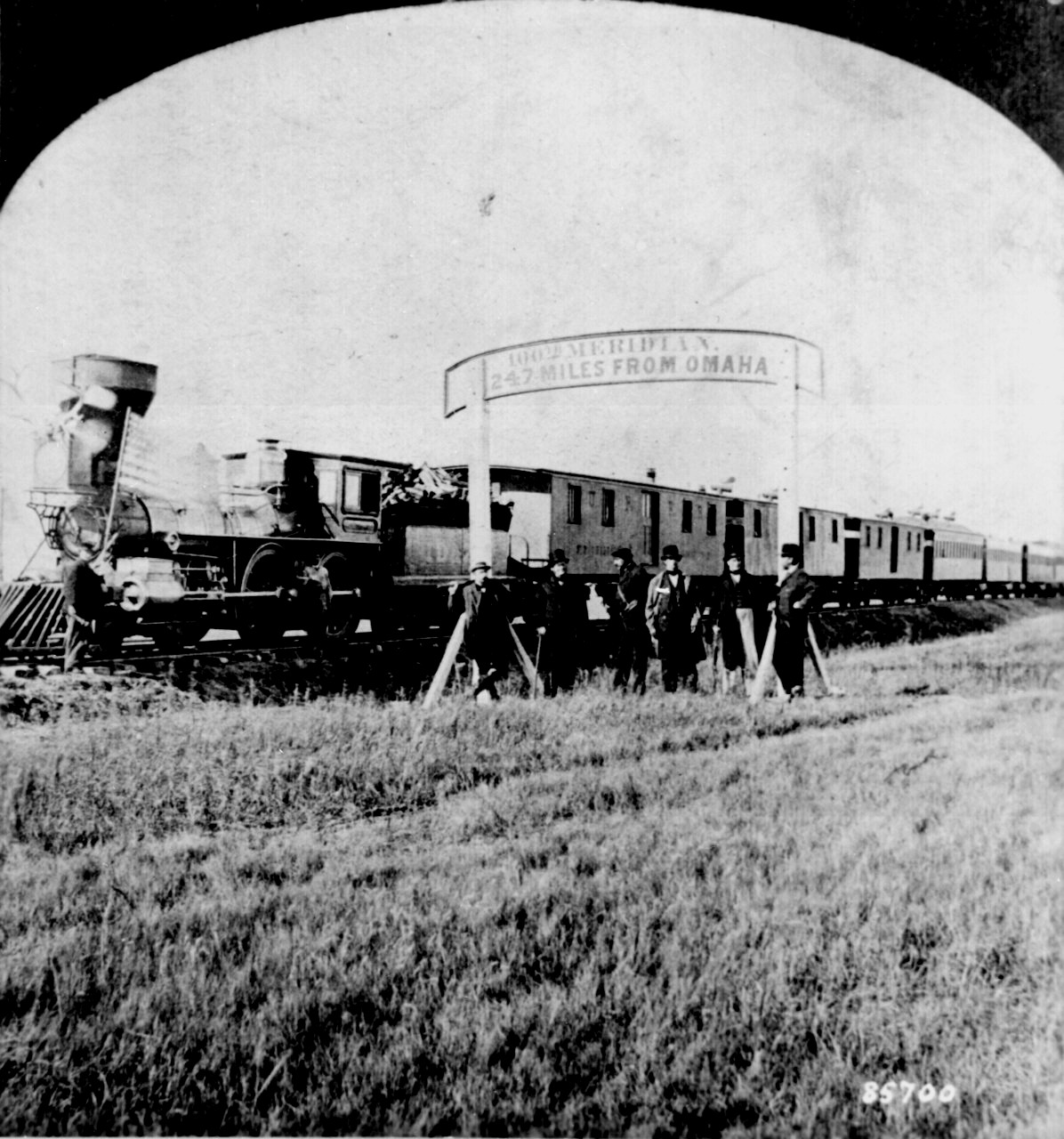
    An excerpt from Railroads in the Days of Steam, which recalls how railroad development was perilous for buffalo herds:

    “When the first railroads crossed the Mississippi River, the Great Plains were covered from Texas to Canada with vast herds of bison, or American buffalo. 

    In the late 1860s and early 1870s, it seemed that everyone who followed the Union Pacific, the Kansas Pacific, and the Santa Fe railroads into the Prairie country wanted the buffalo killed off. Soldiers said they could not tame the hostile Prairie Indians as long as they could depend on the buffalo herds for food. Cattlemen wanted to run longhorns on the big natural pasture occupied by the buffalo.

    Professional buffalo hunters were at work on the Plains in the years just after the Civil War providing meat for railroad construction camps and selling a few buffalo robes. But the slaughter of the buffalo did not begin in earnest until 1871, when word came of a market for buffalo hides in England.

    A good hunter could shoot one hundred or more buffalo in the morning, then he would call his skinning crew to come up with the wagons. Hides were staked out on the prairie to dry. A well-cured hide was worth from $2.75 to $4, and many hunters earned more than $100 a day.

    Passengers on the early trains could see large herds of buffalo, deer and antelope grazing calmly beside the tracks. They would open the car windows and shoot at the herds as the train sped along.”

    Not Rosie O'Donnell.

    Despite being a big baseball fan, I had never until recently heard the name Dorothy Jane Mills. Mills, along with her late husband, Dr. Harold Seymour, are two of the key figures in the study of the game’s history. The pair wrote a trio of the most important baseball books ever published, which helped nurture generations of researchers and statisticians.

    For decades, Mills got the short shrift and her husband got all the credit because he was too sexist to let her have a co-writer’s byline and Mills, the ever-dutiful wife who was raised in an era when women didn’t make waves, only recently asserted her place in the writing and research process.

    In a March article in the New York Times, Alan Schwarz profiled the woman that history almost forgot. An excerpt:

    “Dorothy Zander grew up in Cleveland during the 1930s and ’40s wanting to become a writer, and while an English major at Fenn College–now Cleveland State University–worked for The Cleveland News as a copy boy. (‘Not a copy girl, a copy boy,’ she repeated curtly.) She volunteered to help her American history professor, Harold Seymour, type his lectures; she found they needed more than typing, and told him so.

    They fell in love and married, and she became his primary research assistant for his Cornell doctoral dissertation on baseball history — reading through old newspapers at The Sporting News offices in St. Louis and scrolling through microfilm at the New York Public Library.

    She cared nothing for baseball, only the scholarship–and the growing stature of her husband, 17 years her senior.

    ‘He loved baseball,’ Mills recalled in a telephone interview. ‘He was a bat boy for the Brooklyn Dodgers in the late 1920s and he was the star of the neighborhood.

    ‘I’m still not a fan of baseball. People can’t understand that. I think it’s a good idea to remain above that. You write a lot more objectively about a subject you’re not in love with.’”

    Tags: , ,

    I'm not a douche. (Image by Mattes.)

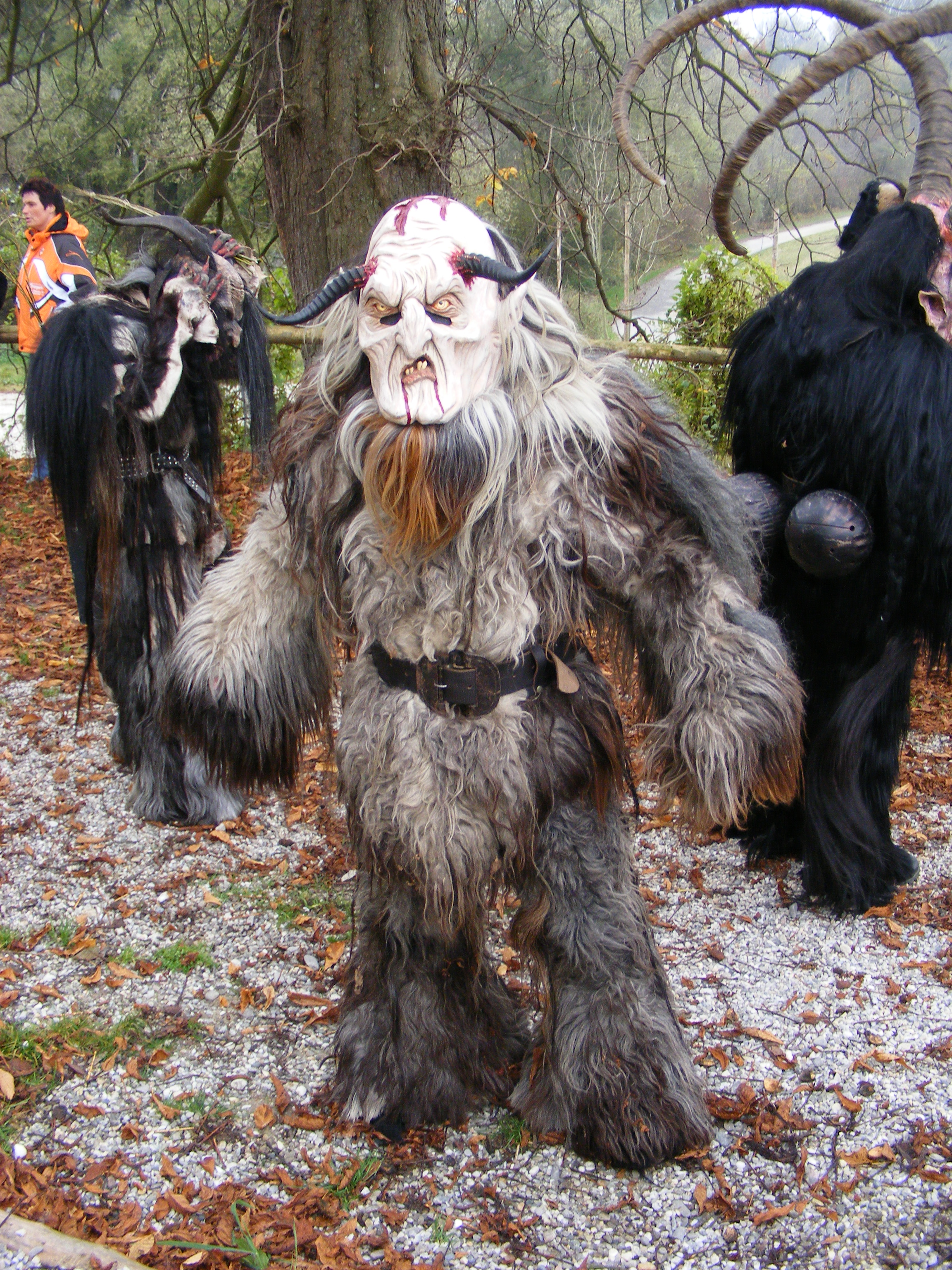
    Do you own a monster costume? Have free time? Photo Shoot!

    Hey there,

    So, assuming you didn’t just click on this link for shits and giggles and you actually *have* a monster suit, consider the following: I’m an amateur photographer who loves shooting portraiture and city scapes. I’m looking to start a new photo series of someone in a monster suit doing normal things around the city. Possibly multiple people in monster suits. Aiming for an ultimate set of 24, and thus want to get shots all over the place (commuting, hot dog stand, shit faced on the LES on a Friday night wondering when it was that “that whole goddamned neighborhood became DISNEYLAND!!!”, shopping on Madison Ave., etc.)

    You get out of it :
    photos of yourself in a monster suit all over the city. Will be able to show to your grandchildern (“Yes! That was me! I had blue fur back then cause everyone thought it was hot.” “Grandpa!”) and / or print out and put up on your wall to impress fellow hipsters / bankers / rastas / Park Slope moms. Also: shit tons of fun. Drinking can be plausibly involved in this on a case by case basis.

    You are asked to:
    – have a full body, face-covering monster costume. More ridiculous and huge the better. Best is one without a recognizable face (think Cousin It from Addams Family).
    – have some free time and a flex schedule. We can do this whenever. Weekdays daytime might be ideal.
    – not be a douche (sorry, douches)

    That is all! Email me a pic / description of your monster suit and let’s get this shit started.

    More Craigslist ads:

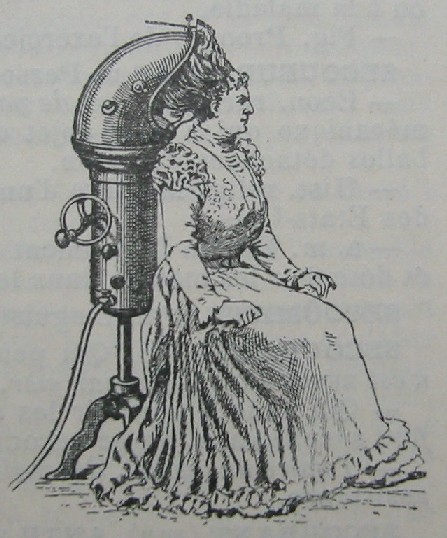
    Old Timey Lady: "Blow Me."

    What was going on inside of your average Hamtramck, Michigan, beauty salon in 1941? America had entered the war, but life was still pretty leisurely at Caroll’s Beauty Salon as women and their daughters got done up with the aid of heavy-duty machinery and steel curlers. The kid with the gigantic rollers on her tiny head probably experienced major neck problems later in life. Enjoy the three-and-a-half minute silent home movie.

    More Featured Videos:

    I'm back home with Mama! Now if we could only locate my missing testicles.

    Our long national nightmare is over: Peanut Butter, the Bronx Puggle who was stolen and sold for heroin, has been found. I swear I’m not making this shit up. The new post from Craigslist:

    Stolen Puggle Found! (Bronx)

    I’ve been posting here for a few weeks about PeanutButter, my puggle that my mom sold for heroin. After many days and nights of crying, our journey is finally over. PeanutButter has been recovered, and he’s back home safe and sound! Thank you to everyone who emailed me giving me their support and prayers! MANY Thanks to Pet P.I, they helped me recover him! I would be lost without them!”

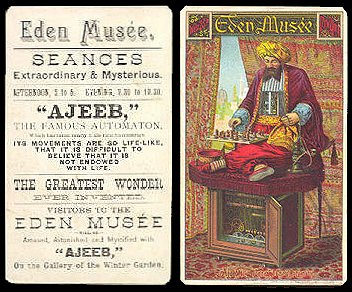
    Ajeeb says, "Checkmate, bitch!"

    As hoaxes go, Ajeeb, an “automaton” expert at checkers and chess, was a ridiculously simple scam. Ajeeb was one of several alleged machines–the Turk and Mephisto were a couple of others–during the late 1800s and early 1900s that were supposedly capable of defeating humans at board games.

    Ajeeb, created in 1868 by cabinetmaker Charles Hooper, was not actually a machine at all. The elaborate-looking 10-foot-tall contraption attired in Turkish clothes hid inside of it a rotating collection of some of the best chess players in the world. Thousands came to see Ajeeb match moves with disbelieving opponents (including Houdini, Teddy Roosevelt and Sarah Berhnardt) on both sides of the Atlantic.

    There is intrigue surrounding Ajeeb that supposedly involved theft and murder and more. Eventually technology caught up to imagination and today computers need no help to defeat us.

    Tags: , , ,

    This bizarre local commercial for Kelley Plastic Surgery of Newport Beach, California, is brought to you by the wonderfully deranged souls at I Love Local Commercials. I swear to you that it’s real and not a spoof. My favorite part is the woman who asserts that her recent opportunity to take a trip to Canada was in some way connected to her plastic surgery. The spot was created by the North Carolina-based comedy duo, Rhett & Link, who were also responsible for this great spot.

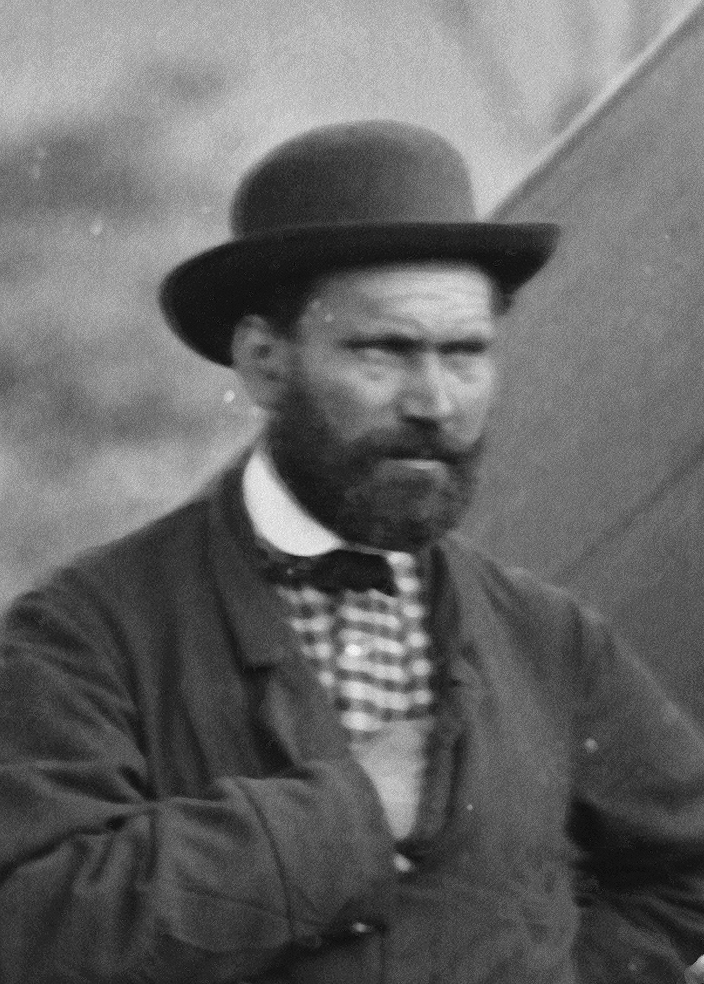
    Allan Pinkerton, father of the American private detective industry: "What is this I hear about a detective-punching hellcat?" (Image by Alexander Gardner.)

    There was apparently one thing that Miss Mamie Wilson of Rockaway Avenue didn’t take kindly to in 1898: being told she was no lady. I came across this article about the ass-kicking Mamie in the August 2, 1898 issue of the Brooklyn Daily Eagle. It was subtitled: “Private Detective McCool Fell Victim to Miss Wilson’s Pugilistic Prowess.” An excerpt:

    “Miss Mamie Wilson of 176 Rockaway avenue, who had Michael Fiero, an Italian barber arrested one day last week, on a charge of threatening to kill her, because she refused to marry him, appeared before Magistrate Teale this morning, and requested to withdraw her charge. She said that she and her mother were going to move from the neighborhood wherein they at present reside and would then be free from molestation at the hands of Fiero. The case was set down for a hearing on August 9.

    The young woman was later arraigned before the magistrate on a charge of dislocating the nasal organ of a young man who says he is a private detective. James McCool, the complainant, who lives at 16 Russell place, alleged that on July 27, he was passing Miss Wilson’s door.

    ‘She called me a loafer, your honor,’ said McCool, ‘and I said she was no lady. Then she struck me with her fist on the nose and dislocated it.’

    In answer to the charge, Miss Wilson said that McCool insulted her. She admitted she struck McCool and said he deserved it. When the magistrate said that she would have to be held for the Special Sessions, the young woman became frightened. She was allowed to go under parole.”

    More Old Print Articles:

    Tags: , , , ,

    The Dallas Cowboys played this past NFL season in a fancy-shmancy new billion-dollar home, so in April it was time for old Texas Stadium to bite the dust. Planned implosions of old decommissioned buildings are always oddly thrilling to watch, but Immersion Media has given the viewing experience a brilliant now twist. The video above has a tool embedded that allows you to watch Texas Stadium implode from the inside from any angle you like and change angles as the implosion unfolds. It’s glorious wreckage in panoramic form. Thank you to the legendary boing boing for pointing me in the video’s direction.

    The Urban Planet Pavilion at the Expo. The event's theme is environmentally sustainable cities, which seems dubious since the Expo features the largest LED video screen ever created. (Image by Triad Berlin.)

    Costing billions of dollars, the Shanghai World Expo 2010 aims to reintroduce China’s most populous city to the international stage. The Expo kicked off last week and its exorbitance makes the Olympics seem like a high school track meet. While the cost of the Expo itself is $4.2 billion, the nation has poured more than $50 billion into infrastructure improvements for the city. An excerpt from the Associated Press story about the opening of the Expo:

    “Friday night’s star-studded indoor festivities included action star Jackie Chan, Japanese singer Shinji Tanimura, concert pianist Lang Lang and opera star Andrea Bocelli, among 2,300 performers. Afterward, guests moved outside for a lights, music and fireworks jubilee that lit up the drab banks of the Huangpu river with 1,200 searchlights, powerful lasers and mobile fountains.

    Jackie Chan: Please join us at Shanghai World Expo 2010--and remember to rent "The Spy Next Door" on DVD!

    The normally tea-colored waters glowed with 6,000 red and orange 1.6-foot (0.5-meter) LED balls and lights from a parade of flag boats representing nations participating in the Expo.

    The Expo is expected to draw 70 million people over six months to pavilions from almost 200 nations designed to reflect the urban sustainability theme of ‘Better City, Better Life.’

    China is splashing out 28.6 billion yuan ($4.2 billion) on the Expo itself, and many billions more on other improvements for this city of 20 million people. Freshly painted buildings, new highways, subway lines and airport terminals–all proclaim the country’s newfound status as a modern, increasingly affluent industrial giant.

    ‘The government will spend whatever money it takes. For the leadership, it’s worthwhile,’ said Zheng Yongnian, director of the East Asian Institute of the National University of Singapore.”

    More World’s Fair posts:

    Tags: , , ,

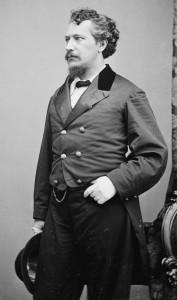
    This photo, taken somewhere between 1855-1865, shows George Francis Train still somewhat together.

    Although he’s largely forgotten now, George Francis Train was one of the most famous people in the world in the late 1800s. The inspiration for Jules Verne’s Around the World in Eighty Days, Train was a businessman, politician, lecturer, author, world traveler and all-around larger-than-life character. He was also increasingly batshit crazy in his later life.

    Train spent a lot of time during his dotage wandering around Madison Square Park, handing out dimes and refusing to talk to anyone but children and animals. Here’s an excerpt from a June 24, 1888 issue of Brooklyn Daily Eagle, when “Citizen Train” had gone off the rails:

    “I overheard a curious conversation in the barroom of the Hoffman House this week between our returned crank, George Francis Train, and a gentleman who had known him as a boy and who was familiar enough with him to still address him by his Christian name. The Sage of Madison Square strode in looking cool, handsome and as sunburned as ever, arrayed from top to toe in snow white duck, and as usual carrying his straw hat in his hand, while his buttonhole was adorned with cornflowers. He called for milk and vichy, the new Summer drink, with the invention of which that other crank, Ruskin, is credited, and while absorbing it was approached by his aforementioned acquaintance, who extended his hand and said genially, ‘Good morning, George. Glad to see you in the city again.’

    Before his angry flight to New Brunswick and his somewhat sheepish return, the crank never answered any remark made to him by adults, declaring they took from him ‘Psycho-force.’ But now he considered himself sufficiently strong to withstand the drain of speaking to them and replied ‘Good Morning’ at the same time putting his hands behind his back, and adding, ‘You must excuse me, but I can’t shake hands with you’
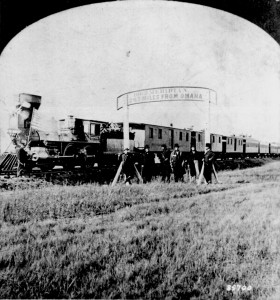
    Perhaps inspired by his surname, Train was instrumental in the formation of the Union Pacific Railroad.

    ‘Why not?’ demanded the other.

    ‘Because,’ answered the crank, ‘for fifteen years I have never allowed myself to touch man or woman. I should impart a portion of my psychic forces to them and I can not afford to do it. Only lately have I been able even to speak to them.’

    ‘Oh, bother such nonsense,’ cried his friend impatiently. ‘There’s not the slightest use of the type of talk with me, George. I’ve known you too long. I hoped you would finally have gotten over this absurd craze of yours. It’s a shame that a man with your talents should have wasted your life as you have done.’

    Train looked annoyed and uncomfortable and retorted, ‘Why, what have you done yourself to have made your life worth living?’

    ‘If nothing else,’ replied his friend, ‘I have raised to manhood two noble, manly sons, and that in itself is enough.’

    ‘Oh, you think so,’ sneered Train. ‘Well let me tell you what I have done. I have stored up in the last fifteen years enough psychic force to enable me to live for centuries, and it’s growing all the time, so that long after you and your two sons are dead I shall be here, passing through the streets people will fall dead before me, so great and irresistible will be my power.’

    Five minutes after he was talking with the utmost clearness and shrewdness, concerning some investments in real estate in St. Paul and no one could have believed him the lunatic of fifteen seconds previous.”
    Tags: ,

    "It was, in fact, Wheeler who coined the term 'pressure group.'"

    I interviewed Dan Okrent some years ago when he was the embattled Public Editor at the New York Times and found him to be intelligent, keenly self-aware and a mordant wit. Okrent has just published a new book, Last Call: The Rise and Fall of Prohibition. I haven’t gotten my bony hands on a copy yet, but I just read an excellent excerpt in Smithsonian. Here’s a passage from Okrent about that insane and fascinating period and a forgotten historical figure who had great influence upon it:

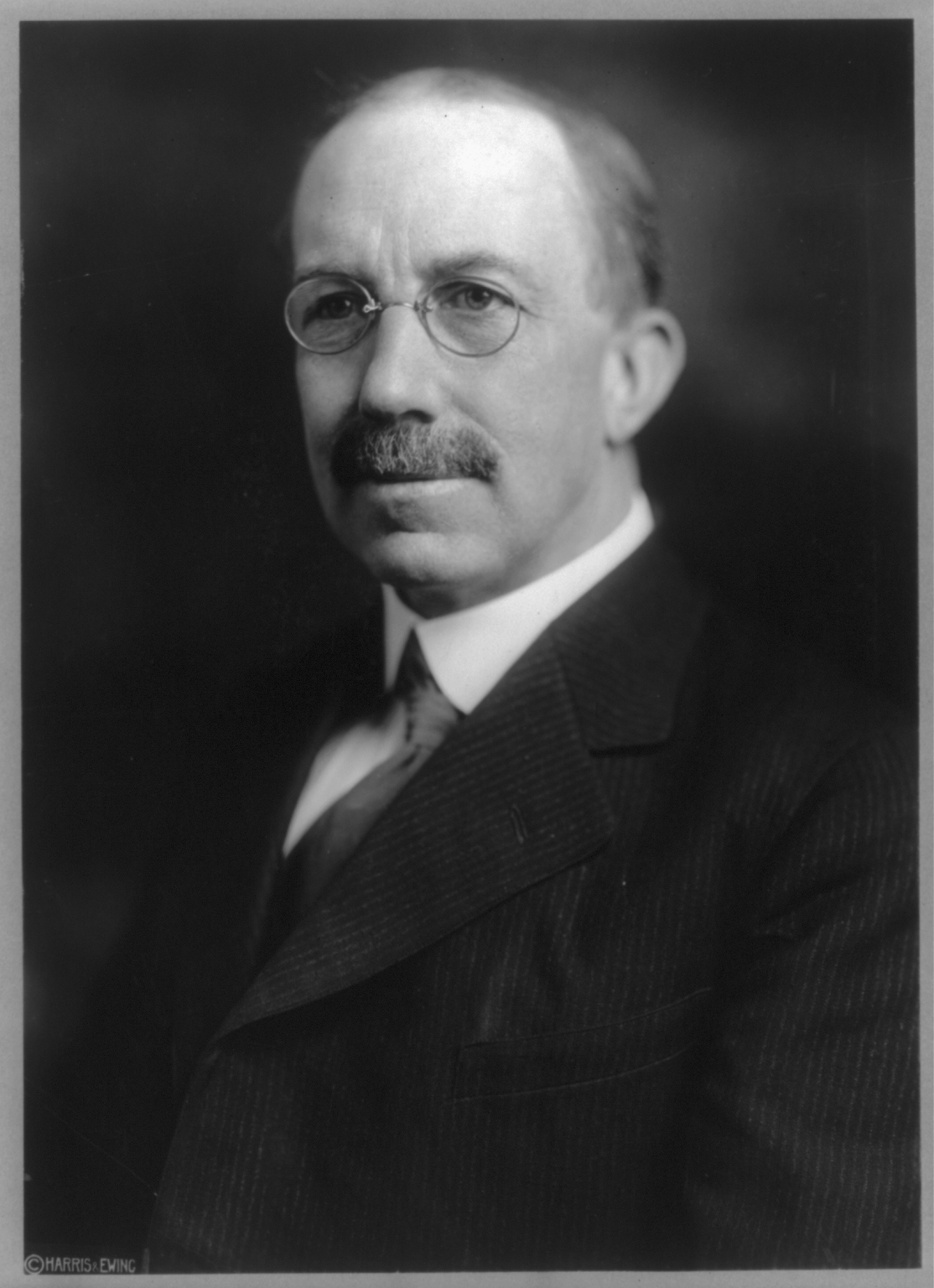
    “Wayne Wheeler was a small man, 5-foot-6 or 7. Wire-rimmed glasses, a tidy mustache, eyes that crinkled at the corners when he ventured one of the tight little smiles that were his usual reaction to the obloquy of his opponents—even at the peak of his power in the 1920s, he looked more like a clerk in an insurance office than a man who, in the description of the militantly wet Cincinnati Enquirer, ‘made great men his puppets.’ On his slight frame he wore a suit, a waistcoat and, his followers believed, the fate of the Republic.

    Born on a farm near Youngstown, Ohio, in 1869, he was effectively born anew in 1893, when he found himself in a Congregational church in Oberlin, Ohio, listening to a temperance lecture delivered by the Rev. Howard Hyde Russell, a former lawyer who had recently founded an organization called the Anti-Saloon League (ASL). Wheeler had put himself through Oberlin College by working as a waiter, janitor, teacher and salesman. Now, after joining Russell in prayer, he signed on as one of the first full-time employees of the ASL, which he would turn into the most effective political pressure group the country had yet known.

    It was, in fact, Wheeler who coined the term ‘pressure group.’ When he teamed up with Russell in 1893, the temperance movement that had begun to manifest itself in the 1820s had hundreds of thousands of adherents but diffuse and ineffectual leadership. The most visible anti-alcohol leader, Frances Willard of the Woman’s Christian Temperance Union (WCTU), had diluted her organization’s message by embracing a score of other issues, ranging from government ownership of utilities to vegetarianism. The nascent Prohibition Party had added forest conservation and post office policy to its anti-liquor platform. But Russell, with Wheeler by his side, declared the ASL interested in one thing only: the abolition of alcohol from American life.”

    Tags: ,

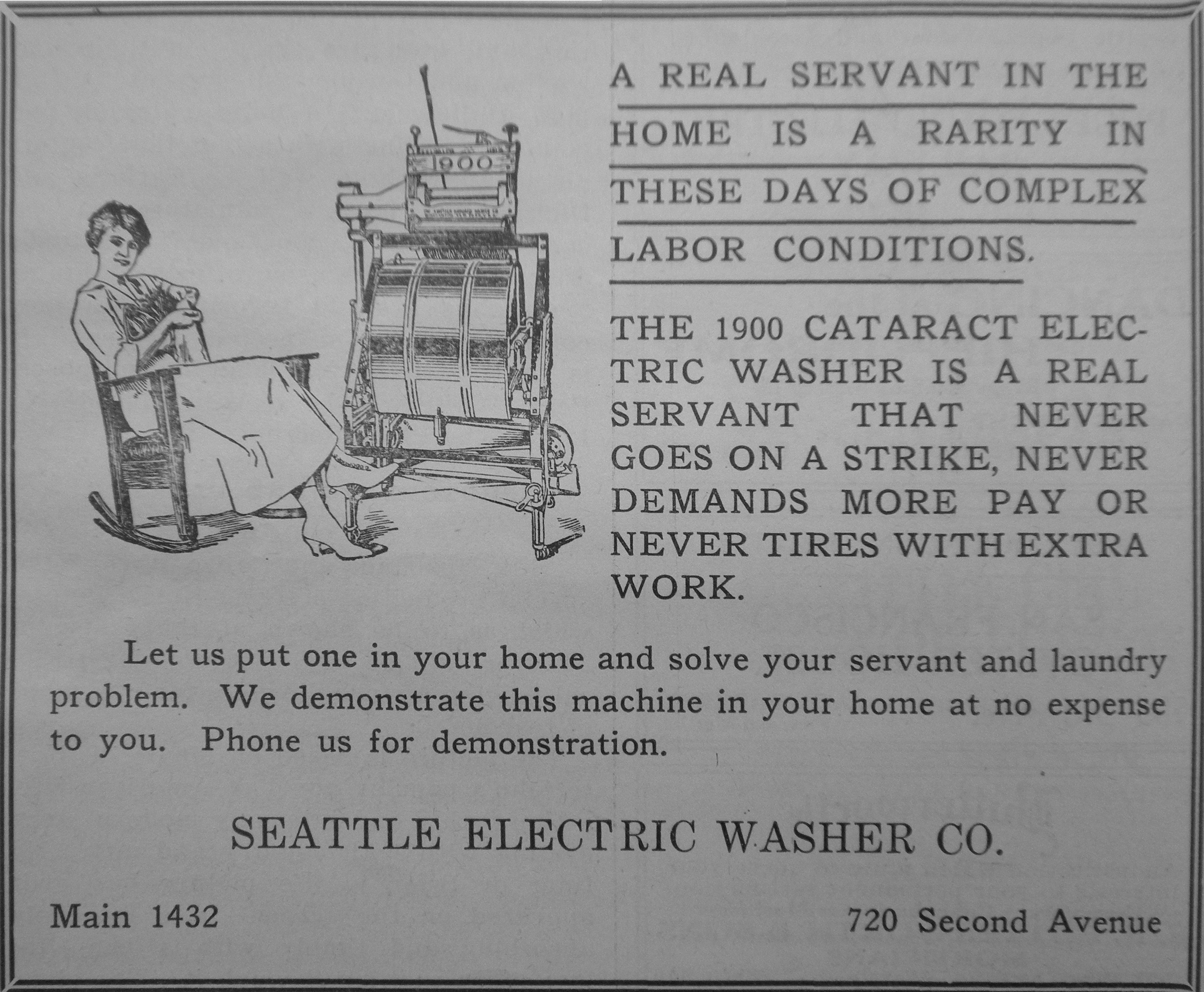
    Surly domestics never got our clothes this clean.

    Unlike pesky human laborers who expect to receive a living wage and don’t take kindly to 18-hour workdays, these reliable machines from Seattle Electric Washer Co. didn’t get uppity and go on strike. The company exploited fears associated with the rise of labor unions for this 1920 advertisement that promised subservience from their “servants.” An excerpt from the copy:

    “A real servant in the home is a rarity in these days of complex labor conditions. The 1900 Cataract Electric Washer is a real servant that never goes on strike, never demands more pay or never tires with extra work.

    Let us put one in your home and solve your servant and laundry problem. We demonstrate this machine in your home at no expense to you. Phone us for demonstration.”

    « Older entries § Newer entries »