
New DVD: Examined Life

Slovenian theorist Slavoj Žižek is down in the dump in "Examined Life."

Following up the heady burst of fun that was her 2005 documentary Zizek!, filmmaker Astra Taylor keeps one foot planted firmly on campus with Examined Life. an interesting investiagtion into the minds of eight diverse academics.

Taylor presents a platform for ideas to Cornel West, Kwame Anthony Appiah, Martha Nussbaum, Michael Hardt, Judith Butler, Peter Singer, Avital Ronell and Slavoj Žižek. Because of the static nature of talking about thinking, she has her subjects constantly walking, riding, rowing or rolling, as they delve into a variety of philosophical ideas, from cosmopolitanism to ecology.

While these thinkers are all superstars behind the ivy, they don’t all translate equally well to this format. For some reason, Hardt scolds himself for discussing the possibility of revolution while he’s in Central Park, as if it were an exclusive piece of land instead of a public venue that has served people from every economic strata. That park is one the egalitarian accomplishments of our society, not a place of aristocratic shame as he seems to believe. Others like Singer, Butler and Žižek make far more interesting points.

It would appear that the director had a little bit more time and money for her new film than she did for Zizek!, and she uses it well, showing off a strong sense of composition that was impossible to display with the breakneck schedule of her first feature. Taylor is growing as a filmmaker, and even though she might not be a hard-nosed interviewer as of yet, she knows how to provoke thought.

Read other Film posts.

Tags: , , , , , , , ,

You can perform your service in Afflictor Army any time you like, Bar Refaeli.

You’ve been remiss, Chosen People: Afflictor.com has been around for nearly three months and many nations have joined our foolishness, but you’ve acted meshuganah and avoided the site. Until today, that is. The excitement in Afflictor’s Brooklyn offices was palpable when we looked at the traffic stats and realized we had our first visitor from Israel. Why else was Israel even founded, except to be a part of Afflictor Nation? Oh, to be a refuge for Jewish people in an often hostile and prejudiced world? Yes, that too, we suppose, but mostly it was to help us add another nation to the roster of countries that have visited our idiot site. Shalom to you, Israel, and welcome to Afflictor Nation!

Tags:

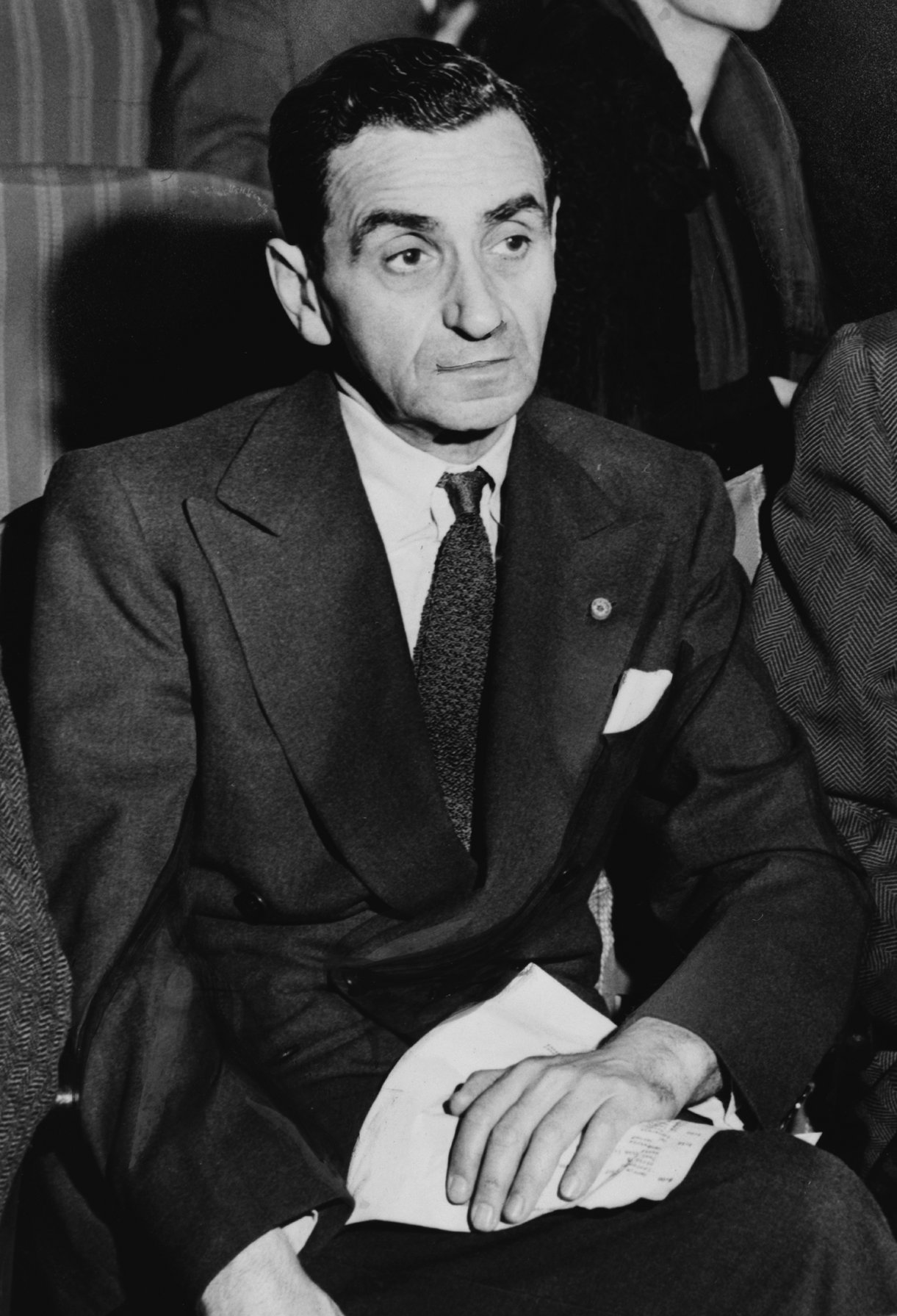
Irving Berlin's first published song was "Marie from Sunny Italy." He would improve. (Photo by Al Aumuller.)

With the aid of the very fun book, New York Year by Year: A Chronology of the Great Metropolis by Jeffrey A. Kroessler, I previously presented you with the ten most amazing historical moments in NYC in 1967. Today, I use the same volume to look at the most significant moments of 1906:

Read other Listeria lists.

Tags: , , , , , , , ,

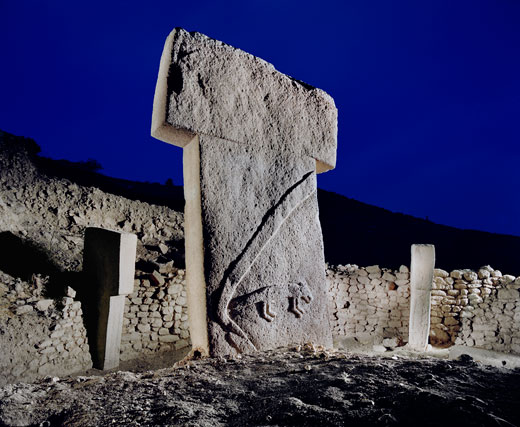
Archaeologists believe these Turkish ruins are a temple built at the end of the Ice Age.

Archaeologists rarely make bigger discoveries than the one that appears to have been recently made in Turkey. If educated assumptions prove correct, Klaus Schmidt and his crew may have discovered the very dawn of civilization in rock formations that were built more than 11,000 years ago. An excerpt from a Newsweek article entitled “History in the Remaking“:

“Standing on the hill at dawn, overseeing a team of 40 Kurdish diggers, the German-born archeologist [Klaus Schmidt] waves a hand over his discovery here, a revolution in the story of human origins. Schmidt has uncovered a vast and beautiful temple complex, a structure so ancient that it may be the very first thing human beings ever built.

The site isn’t just old, it redefines old: the temple was built 11,500 years ago—a staggering 7,000 years before the Great Pyramid, and more than 6,000 years before Stonehenge first took shape. The ruins are so early that they predate villages, pottery, domesticated animals, and even agriculture—the first embers of civilization.

In fact, Schmidt thinks the temple itself, built after the end of the last Ice Age by hunter-gatherers, became that ember—the spark that launched mankind toward farming, urban life, and all that followed.”

Tags:

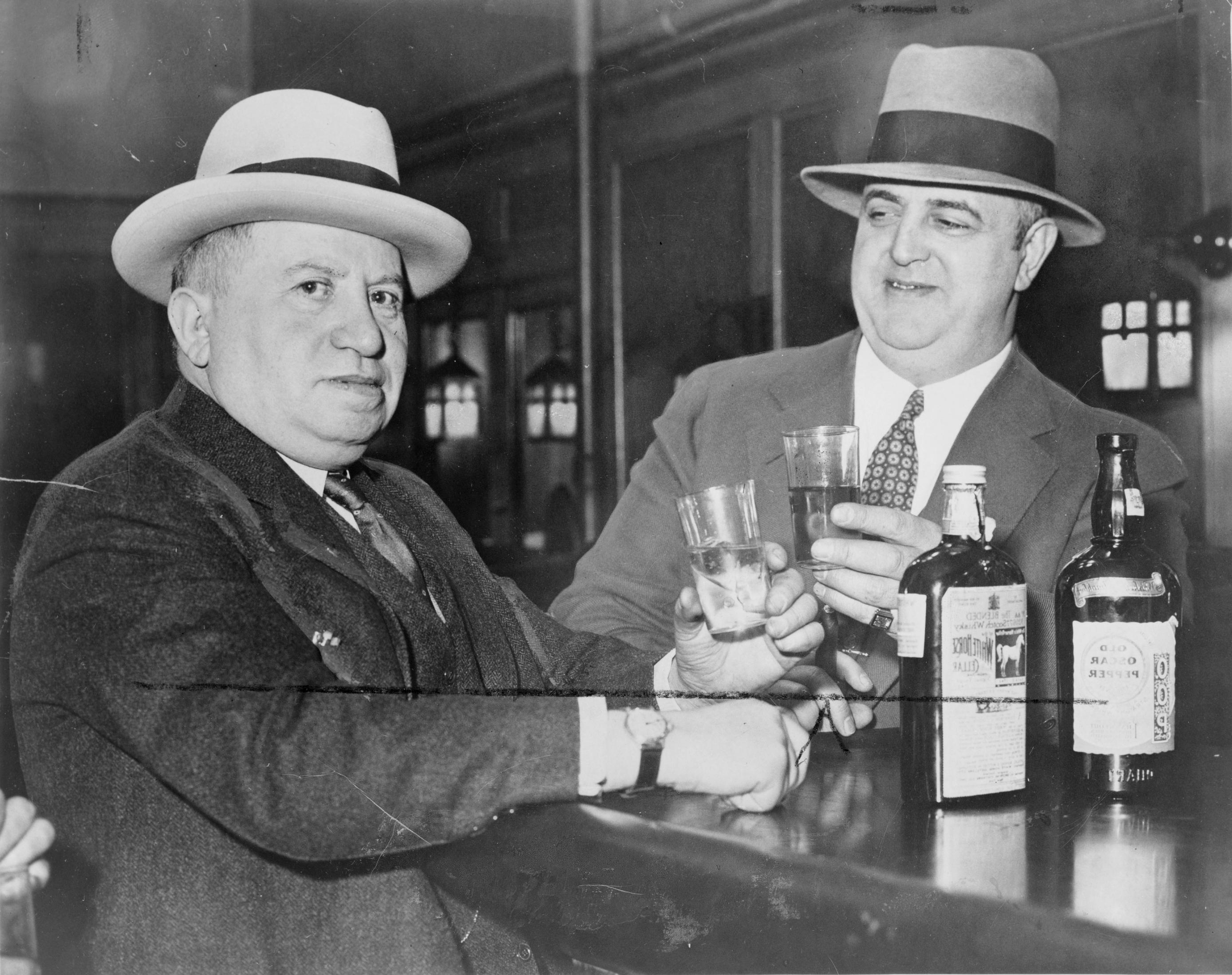
Cops Izzy Einstein and Moe Smith, who shuttered many a NYC speakeasy during Prohibition, enjoy a drink in 1935.

I just read “The Chemist’s War,” a really interesting article by Deborah Blum on Slate, which recalls how the U.S. Government killed roughly 10,000 Americans during Prohibition. Flummoxed by a complete disregard for anti-alcohol laws, the Feds created a program that poisoned alcohol to try to curtail drinking. An excerpt from the article:

“Frustrated that people continued to consume so much alcohol even after it was banned, federal officials had decided to try a different kind of enforcement. They ordered the poisoning of industrial alcohols manufactured in the United States, products regularly stolen by bootleggers and resold as drinkable spirits. The idea was to scare people into giving up illicit drinking. Instead, by the time Prohibition ended in 1933, the federal poisoning program, by some estimates, had killed at least 10,000 people.

Although mostly forgotten today, the ‘chemist’s war of Prohibition’ remains one of the strangest and most deadly decisions in American law-enforcement history.”

Tags:

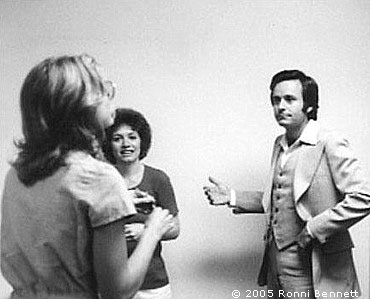
Siegel once asked Marlo Thomas if people thought she was "bitchy." She was understandably not very amused. (Image by Ronni Bennett.)

Back before American media was engulfed in its faux-reality mania, in which emotionally damaged recruits are encouraged to act out every last pathology to pump up the ratings, TV host Stanley Siegel and his questionable taste and utter neuroses were considered controversial. During the 1970s, his raucous live morning show on the local ABC affiliate made his name as famous in New York as any politician, athlete or Broadway star.

Siegel invited his therapist to psychoanalyze him each week on the air, he allowed a wasted Truman Capote to sit down as a guest when he was clearly in no condition to do so and he angered a good number of politicos and entertainers with his brash questions. He was the anti-Brokaw, and it worked wonderfully well for a while.

In the 1977 New York magazine article,Give Us a Kiss, Stanley,” which was written by the journalist and playwright Jonathan Reynolds, Siegel was analyzed a little bit more. These days the talking head appears to be attempting to get some sort of travel show off the ground, but Reynolds’ piece captures Siegel at the height of his entertaining narcissism. An excerpt:

“Every day, Siegel wallows guiltlessly in his own persona, exulting in the dust, high jinx and cobwebs he reveals. He is funny, frightened, confused, weepy, sexual, evangelistic, and overbearing right in front of everybody’s eyes. In terms of emotional exhibitionism, Stanley Siegel makes Jack Paar look like Thomas Pynchon.

In the nearly two years he has been on WABC-TV at 9am, he has sextupled the ratings of his dreary predecessors, increased WABC’s rate card from $35 to $100 for every 30-second spot sold, knocked the venerable Not for Women Only and mega-venerable Concentration out of their time slots, and gained a host of admirers from Robert Evans to Eleanor Holmes Norton.

People tune in to the Stanley Siegel Show to see how Stanley feels–for if there is one predictable element in the program, it is that it will always be clear just how Stanley feels.”

Tags: , ,

I'll have extra seaweed flakes on mine, please. (Image courtesy of Nell. T.)

Those interesting economists at Marginal Revolution pointed me toward this fun Associated Press article by William Foreman, which looks at the latest attempts to popularize doughnuts in China. Although the Chinese have made room in their bellies and hearts for other Western chow, they have never warmed to the idea of downing doughnuts.

Taiwanese entrepreneur Patrick Li is convinced he can succeed where others, including Dunkin’ Donuts, have failed. He is trying to break through in the city of Guangzhou, thinking the answer to the problem is to tailor the treat to preexisting Chinese taste expectations. An excerpt from the piece:

“The doughnuts this entrepreneur is selling, in the city that gave its name to Cantonese cooking, won’t be readily recognizable to Westerners. They’re shaped like pearl bracelets, and toppings include ham and cheese, red spaghetti sauce, salmon, spicy beef and seaweed flakes.

Many of Lin’s doughnut lines follow the Japanese approach of using rice flour for a dense, chewy texture, much like Chinese desserts made of sticky rice.

‘The American-style doughnut doesn’t sell well in China because it’s too much like bread,’ said Lin. ‘It just won’t be accepted. You can’t justify selling it at a price higher than bread. It’s also too sweet.'”

Tags: ,

They've finally come up with an easy way for me to visualize Bridget Bishop's hanging whenever I stir my tea.

According to silvercollecting.com, Daniel Low and Co., a jewelry store established in Massachusetts in 1867, started a spoon-collecting craze in the U.S. with the introduction of their “Salem Witch Spoon,” playing up the town’s history of lady-hanging to sell a piece of cutlery. The store, housed in the First Church Building, offered a variety of spoons ranging in price from $1.25 to $2.50. An excerpt from the 1891 ad:

“An interesting mania, yet having its useful side as well, is the collecting of odd silver spoons. The idea is too get them from as  many different localities as possible, but particularly from places having some special Historical value. One of the presents received by Dr. Oliver Wendell Holmes on his eighty-first birthday was a gold-lined silver spoon, the handle of which bears a witch on a broomstick.”

Tags:

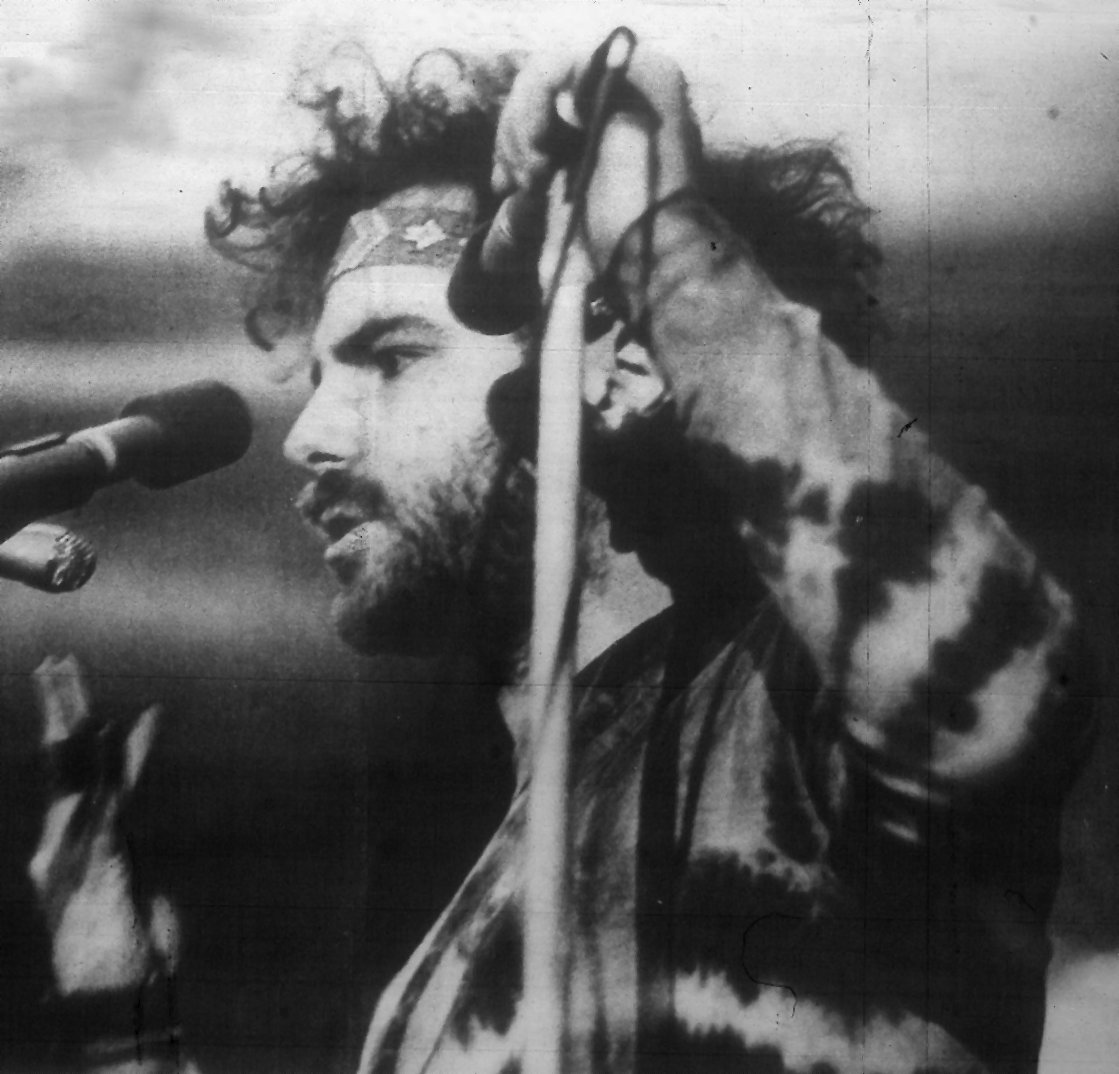
Jerry Rubin was a charter member of the Yippies and could ably pull off the headband look.

With the aid of the very fun book, New York Year by Year: A Chronology of the Great Metropolis by Jeffrey A. Kroessler, I present to you the ten most amazing historical moments in NYC in 1967:

Read other Listeria lists.

Tags: , , , , , , , ,

Not Rosie O'Donnell.

The Presidential race of 1888 was raging, as Benjamin Harrison and Grover Cleveland battled furiously for the White House amid the uproar over tariffs. (Harrison prevailed.) But in Brooklyn, people were able to chill out thanks to the twin relaxations of base ball (spelled as two words in those days) and horse racing. In the August 16, 1988 issue of the Brooklyn Daily Eagle, an article simply title “Base Ball” addresses a resurgence in the popularity of what was considered even then to be a waning national pastime. An excerpt:

“Base Ball and horse racing divide with the Presidential campaign a large share of public attention. Indeed, judging from the amount of sporting news printed in the newspapers and the crowds which gather about the bulletin boards awaiting the latest returns from the field and track, it would seem most people are willing to let the tariff take care of itself until, at least, the warm days are over. The season has been generous in amusements of every kind, and among other things it has witnessed a revival of popular interest in the national game which cannot fail to be gratifying to those who had begun to think that its best days had vanished. The ball field may not possess the exciting and exhilarating influence of the track, but it enjoys an equal share of popularity, and in the East, at all events, it does not sufficiently appeal to the gambling instinct to render it vicious or offensive. Brooklyn’s renewed interest in base ball is due to the fact that for the first time in years the city is represented by a club of undoubted merit.”

Tags: ,

A 1908 photo of a Catawba potter. Speck's film about the tribe looks at its outstanding skill with the craft.

According to the Internet Archive, Dr. Frank Gouldsmith Speck (1881-1950) was the founder of the Anthropology department at the University of Pennsylvania in 1910 and remained chairman of the department for 40 years.

Speck was born in Brooklyn and acquired an interest in Native American culture through a family friend who was of indigenous American descent. Speck rightly realized that the population decline among Native tribes made urgent his work to record their culture. In this 19-minute film, he profiles the Catawba hunting, using medicine, meeting a Mormon missionary and creating pottery. Visit the Internet Archive site to view the film.

Tags: , ,

Give me my gold medal or I will shear my gorgeous shoulder-length tresses in protest. (Image courtesy of David W. Carmichael.)

We welcomed Russia to Afflictor Nation last month, when one of their citizens visited our stupid site for unknown reasons, and now another Russian has graced our URL. Vladimir Putin and his young ward, Dmitry Medvedev, have obviously lost their iron grip on their people, as comrades everywhere are whiling away their time reading our inane comedy and profane commentary. Perhaps Putin was distracted by Russian figure skater Evgeni Plushenko’s controversial second-place finish at the Olympics. Funny thing is, Putin doesn’t seem particularly distracted by his country’s disappearing journalists. Regardless: Welcome again to Afflictor.com, Mother Russia!

Tags: , ,

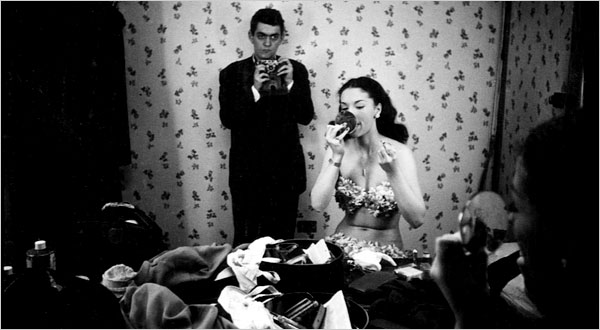
On an 1949 assignment for "Look" magazine, young Stanley Kubrick photographs showgirl Rosemary Williams. Seems like a good gig.

Look magazine was never quite able to steal the spotlight from its equally photo-rich big-city competitor, Life, but the Iowa-based publication waged a good fight with a keen eye for talent and tons of amazing pictures.

After all, they gave a young photographer named Stanley Kubrick more than 300 assignments. And the inaugural issue in 1937 was no shrinking violet: It contained a feature on a Japanese brothel and a pictorial of hermaphrodites. The magazine was founded by Iowa newspaper publishers and brothers John and Gardner Cowles, Jr. The duo were not exactly prepared for the response to the magazine. An excerpt from a 1937 article in Time:

“When brothers John and  Gardner Cowles Jr., publishers of the Des Moines Register and Des Moines Tribune, started Look ten months ago they had no idea whether they would sell 60,000 or 600,000 copies. First issue of the 10¢ monthly gravure picture magazine was a 705,000 sellout, and the present 1,700,000 circulation came in generous leaps and bounds as the monthly became a fortnightly.”

The sad truth is that when Look went out of business in 1971 and Life the following year (for the first time), they both were still very popular periodicals, with millions of subscribers. But advertising had migrated to TV, so the ambitious photojournalism was no longer economically feasible. It’s all cyclical, huh?

Tags: , , ,

Not Rosie O'Donnell.

Tyler Kepner has a fun article in the Times, which is prosaically titled “Pirates’ Ross Ohlendorf Exercised Brain with Federal Internship.” The piece focuses on the middling Pittsburgh starter, who spent a couple months this offseason working as an intern for Agriculture Secretary Tom Vilsack.

It would seem that the rare professional athlete who is intellectual and well-rounded could have such opportunities for the taking. Ohlendorf wisely uses these open doors as learning experiences. An excerpt from the piece:

“Ohlendorf, 27, has the unusual combination of superior intelligence, athleticism, curiosity and drive. It helped him become a star at Princeton while earning a degree in operations research and financial engineering. It has helped him develop into a dependable major leaguer who was 11-10 with a 3.92 earned run average in 29 starts for Pittsburgh last season.

The internship was the product of a midsummer brainstorm, which can be rather powerful for a person with a 3.75 grade-point average in the Ivy League. Ohlendorf had spent a previous winter as an intern in the finance office of the University of Texas system.

He also helps his father manage a herd of longhorn at the family’s Rocking O Ranch near Austin, Texas.”

Tags: , ,

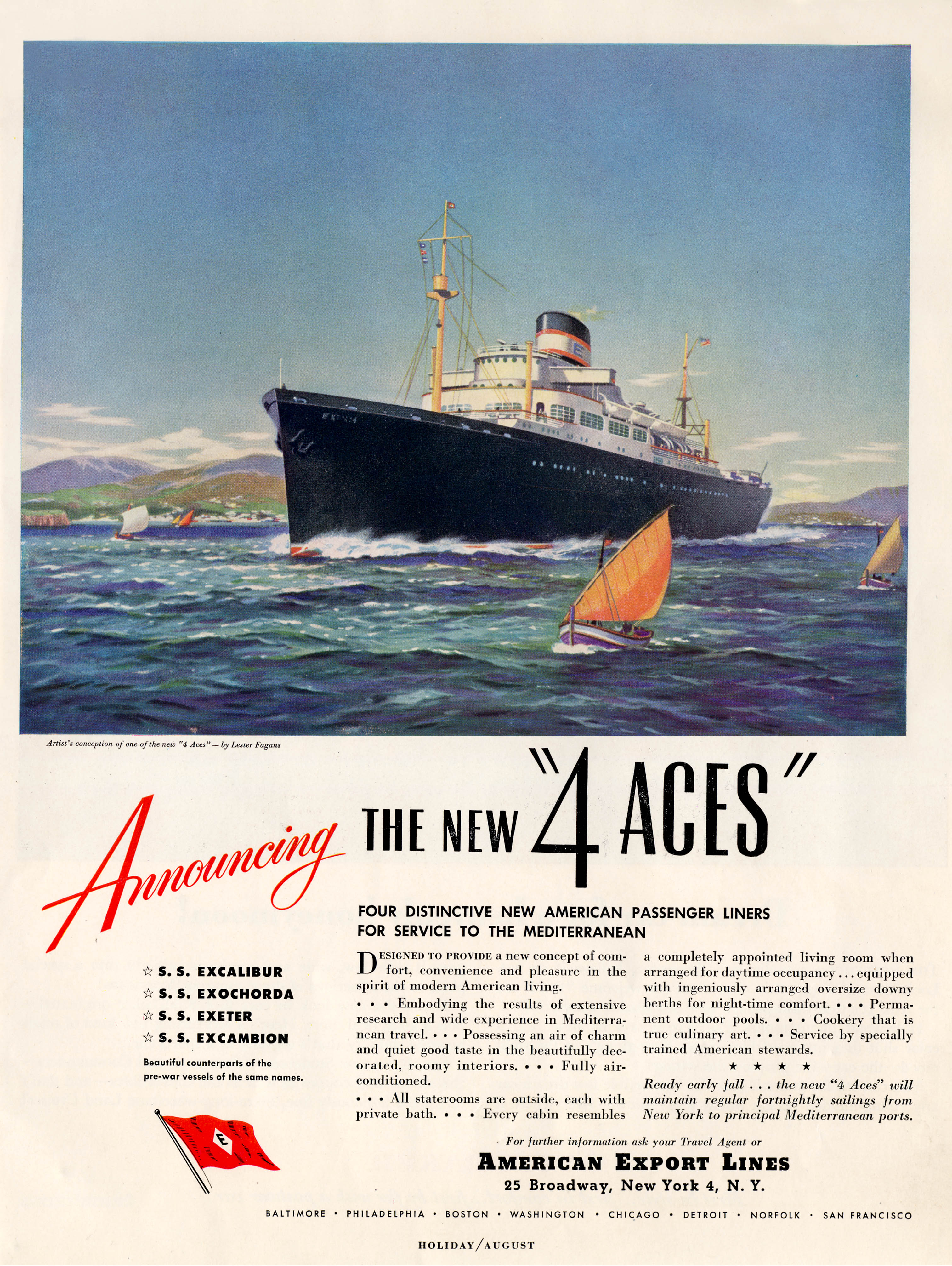
It feels just like being at home, apart from the constant vomiting from sea sickness.

I didn’t realize that passengers ships were air-conditioned as early as 1948, but that’s one of the promises in this advertisement for a quartet of passenger ships that traveled from New York to Mediterranean destinations. I would guess it was the beginning of the post-war dividend kicking in as American entered one of its most prosperous eras.

The ships were owned and operated by American Export Lines, which was originally known as Export Steamship Corporation when it began operating in 1919. A line of cargo and passenger ships, American was the category leader during its heyday. It ultimately declared bankruptcy in 1977. An excerpt from the ad copy:

“Designed to provide a new concept of comfort, convenience and pleasure in the spirit of modern American living. Embodying the experience of extensive research and wide experience in Mediterranean travel…possessing an air of charm and quiet good taste in the beautifully decorated, roomy interiors…fully air-conditioned.

All staterooms are outside, each with a private bath. Every cabin resembles a completely appointed living room when arranged for daytime occupancy…equipped with generously oversized downy berths for night-time comfort. Permanent outdoor pools.”

See other Old Print Ads.

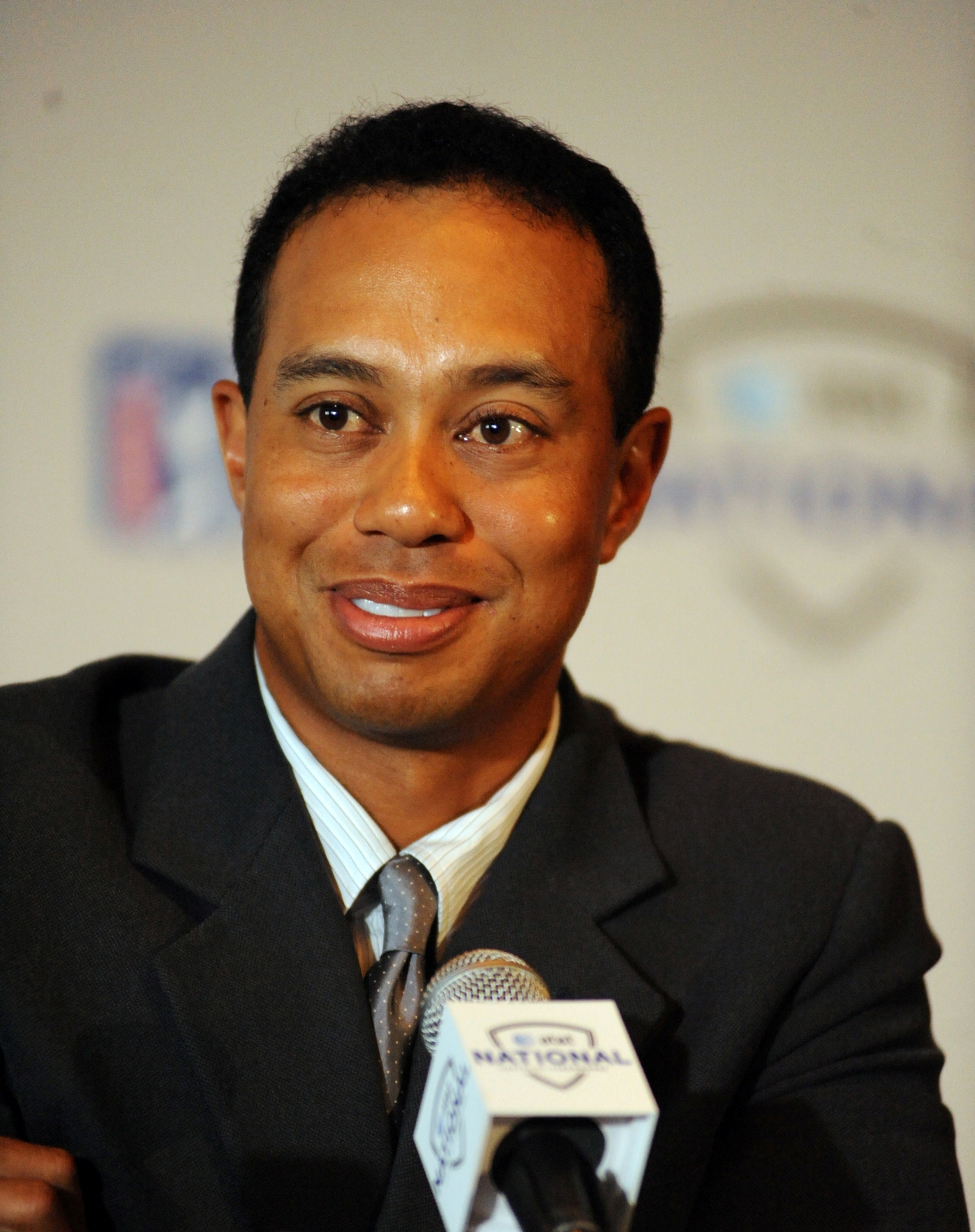
Pardoned by Governor Mark Sanford. (Image courtesy of Tim Hipps.)

Tiger Woods: Good morning, and thank you for joining me.

Decoder: I wish I was anywhere else. Preferably a brothel.

Tiger Woods: Many of you in this room are friends.

Decoder: Friends with benefits.

Tiger Woods: I am deeply sorry for the irresponsible and selfish behavior I engaged in.

Decoder: Sometimes three or four times a night. Sometimes with two strippers at the same time in a hot tub. In all different kinds of positions. Except for 69. I don’t like that one. That looks like a trick they train seals to do.

Tiger Woods: My behavior has caused considerable worry to my business partners, to everyone involved in my foundation, including my staff, board of directors, sponsors, and most importantly, the young students we reach.

Decoder: Why did I try to sell myself as a family man and philanthropist? I could have stayed single, partied hearty and been fine. Jeter is smarter than all of us.

Tiger Woods: Some people have speculated that Elin somehow hurt or attacked me on Thanksgiving night.

Decoder: If I don’t deny it, she will beat me again. And she hits hard.

Tiger Woods: I knew my actions were wrong, but I convinced myself that normal rules didn’t apply.

Decoder: I’ve been hitting a golf ball like a robot since I was two. You expected normalcy?

Tiger Woods: Achievements on the golf course are only part of setting an example. Character and decency are what really count. Parents used to point at me as a role model for their kids. I owe all those families a special apology.

Decoder: My ego is still telling me that I need to be something more exalted than just a golfer and a good husband and dad. I don’t.

Tiger Woods: As I proceed, I understand people have questions. I understand the press wants me to–wants to ask me for the details of the times I was unfaithful. I understand people want to know whether Elin and I will remain together. Please know that as far as I’m concerned, every one of these questions, and answers, is a matter between Elin and me. These are issues between a husband and a wife.

Decoder: This is the truest thing I’ll say today. I owe apologies to my wife, kids and business partners. Anyone else who wants an explanation should get a life.

Tiger Woods: Some people have made up things that never happened. They said I used performance-enhancing drugs. This is completely and utterly false.

Decoder: I shouldn’t be thinking about my athletic legacy at all today, but I just can’t help myself.

Tiger Woods: Part of following this path for me is Buddhism, which my mother taught me at a young age. People probably don’t realize it, but I was raised a Buddhist, and I actively practiced my faith from childhood.

Decoder: Buddhism is the one with the Karma Sutra, right?

Tiger Woods: I do plan to return to golf one day. I just don’t know when that day will be. I don’t rule out that it will be this year.

Decoder: It will be this year.

Tiger Woods: I look forward to seeing my fellow players on the course.

Decoder: Imagine how badly I will beat them if I actually focus more on golf than on arranging three-ways with waitresses in Olive Garden restrooms.

Read other Decoders.

Tags:

New DVD: Hunger

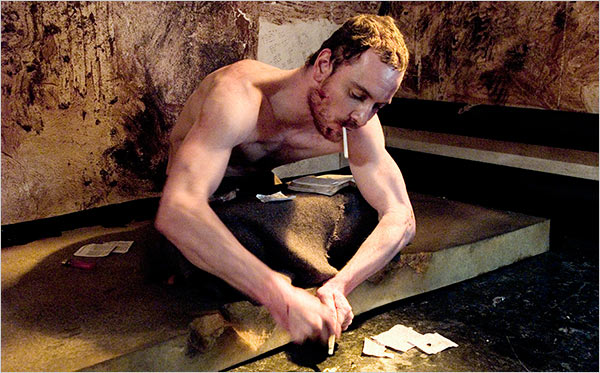
Michael Fassbender is wholly convincing as IRA hunger striker Bobby Sands.

The British artist and filmmaker Steve McQueen brings a painterly meticulousness to the bracing 2008 drama, Hunger. The movie tells the story of IRA member Bobby Sands, who died at 27 during a hunger strike that protested the treatment of Irish political prisoners in Britain’s Prison Maze.

Much of the film traces the largely wordless degradations and punishments administered to IRA members. These scenes build to a tense centerpiece in which a disapproving priest engages in an extended conversation with Sands (Michael Fassbender) about his planned hunger strike.

The effects of the deprivations on Sands’ body are depicted with grueling verisimilitude, as he becomes a bloody, emaciated Christ figure stretched upon a symbolic cross. Fassbender matches McQueen’s artistry with an excellent performance, and their creation is as enthralling to watch as it is difficult to stomach.

Read other film posts.

Tags: , ,

The original "Brooklyn Daily Eagle" published from 1841 to 1955.

The Brooklyn Public Library has put online the 1841-1902 archives of the Brooklyn Daily Eagle. Amid the earth-shattering stories of wars, treaties and calamities that effected millions are the bizarre stories that simply rocked a trolley-load of people. An excerpt from the December 17, 1899 article “Morey Loses A Foot In Trolley Mishap” which was subtitled “Passengers in a Coney Island Car Startled by an Exceptionally Queer Accident; Shock for the Motorman; Morey, who is a Well Known Gravesend Man, Exhibits Remarkable Nerve”:

“A ‘horrible accident’ occurred on a Brooklyn trolley car on Coney Island avenue yesterday afternoon. Lewis Morey, who for a long time has kept a bicycle repair shop and storage place on Surf avenue and who holds the championship medal for a twelve hour bicycle race, won at the Sea Beach Palace, was the victim. Morey had been to Manhattan and was returning to his home when the accident befell him.

While the car was moving at a fast rate of speed down Coney Island avenue toward the West End a woman passenger signaled the conductor to stop. The car was crowded and Morey was standing outside on the rear platform. As the car began to slow up the men on the platform tried to make way for the woman, stepped down on the stirrup of the car and sprang off.

The ground where Morey jumped off was very rough, and his foot striking a small stone, caused him to fall to the ground almost under the car. As Morey slipped and fell the woman standing ready to get off screamed and the conductor and the other men on the platform had little shrieks of horror torn from their throats at the awful sight.

As Morey’s right foot struck the stone it was given a twist and the right foot snapped off at the ankle, like a piece of brittle glass. The foot, encased in its shoe and with the upper end of the sock hanging out of the shoe mouth and hiding the snapped off joint, rolled a few feet away from the prostrate man.

As the car came to a standstill those inside rushed off, and, seeing the foot broken off and Morey lying like a dead man, they, too, began screaming. The conductor went wild with fright. He called to the motorman to come help with Morey, but that was not needed, for there were many willing hands. In an instant a dozen men were trying to get around Morey to carry him someplace where he could be given medical treatment. But nobody had the nerve to pick up the foot. All viewed it with agonized horror.

‘Oh, get away from me,’ Morey snapped out as the sympathetic passengers crowded around trying to lend him aid. This was rather startling coming from a man who had just lost his foot but the passengers were more than shocked when they saw the footless man rise up to a standing position and hobble around on his one sound foot and the jagged stump.

‘Where’d my foot go?’ Morey asked as he looked around for the missing member. ‘Darn that foot anyway.’

‘Oh, there it is,’ he exclaimed in a relieved tone as he caught sight of the foot and the shoe. Pushing several of the half dazed passengers aside, he picked up the foot and began to look at it in a rueful, sorrowful way.”

The kicker to the story was that Morey had a prosthetic limb, and what had fallen off was his artificial foot.  Clearly sounds like a fictional urban legend, but it was presented as fact.

Tags:

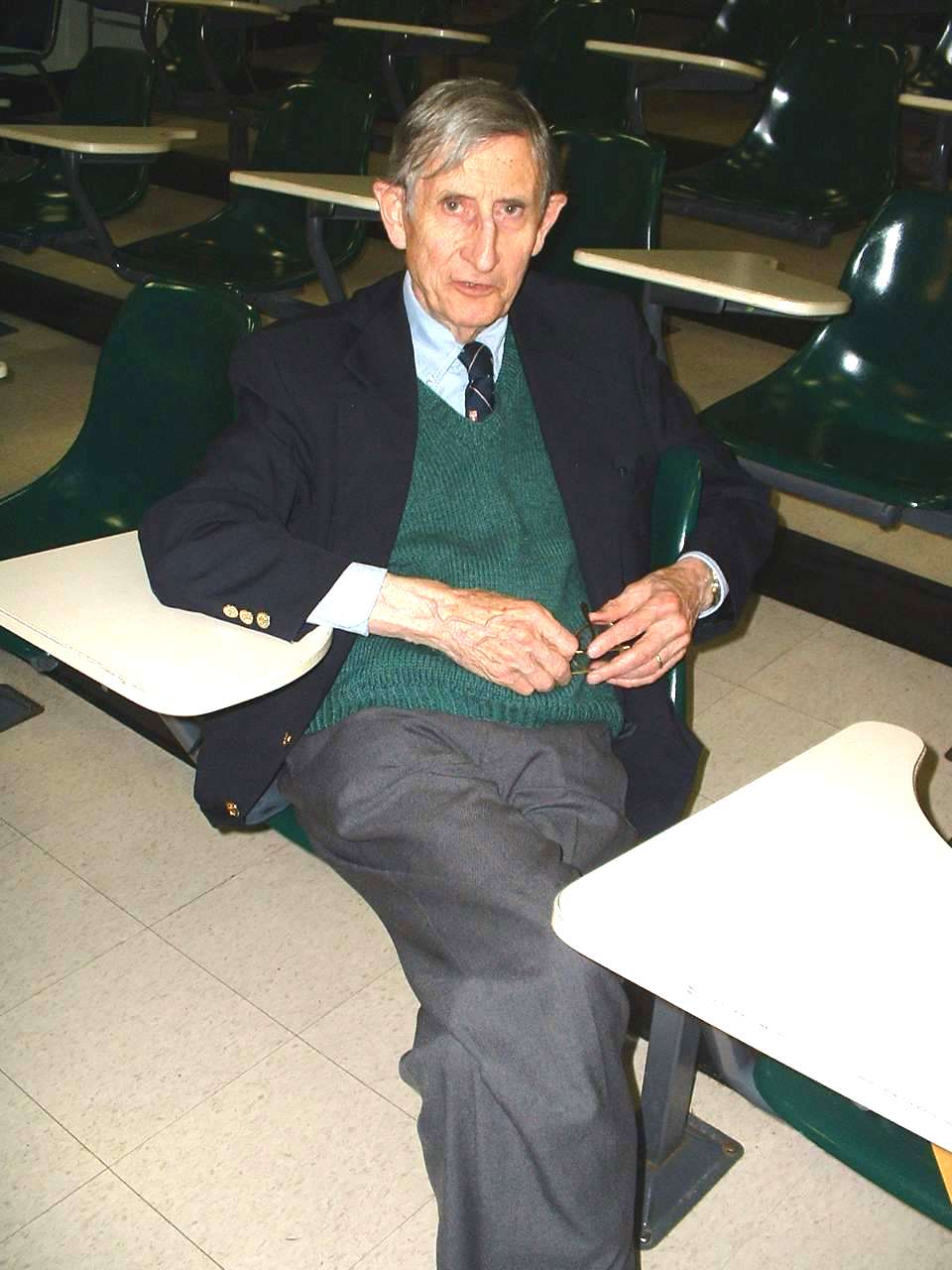
Freeman Dyson, seen here at Harvard, has never won the Nobel Prize. Running afoul of climate-change activists won't likely help on that front. (Image courtesy of Lumidek.)

The always-provocative smarties over at Edge held an event in Long Beach recently to herald “A New Age of Wonder,” as outlined by Freeman Dyson in his speeches and in an article in the New York Review of Books last August. The piece, “When Science and Poetry Were Friends,” is ostensibly a book review of Richard Holmes excellent science tome, The Age of Wonder: How the Romantic Generation Discovered the Beauty and Terror of Science.

But the 86-year-old Dyson also used the assignment to ponder whether we are at the advent of a new Romantic Age, one as reliant on biology and computers as the first was on chemistry and poetry. An excerpt from Dyson’s article:

“Richard Holmes’s history of the Age of Wonder raises an intriguing question about the present age. Is it possible that we are now entering a new Romantic Age, extending over the first half of the twenty-first century, with the technological billionaires of today playing roles similar to the enlightened aristocrats of the eighteenth century? It is too soon now to answer this question, but it is not too soon to begin examining the evidence. The evidence for a new Age of Wonder would be a shift backward in the culture of science, from organizations to individuals, from professionals to amateurs, from programs of research to works of art.

If the new Romantic Age is real, it will be centered on biology and computers, as the old one was centered on chemistry and poetry…If the dominant science in the new Age of Wonder is biology, then the dominant art form should be the design of genomes to create new varieties of animals and plants. This art form, using the new biotechnology creatively to enhance the ancient skills of plant and animal breeders, is still struggling to be born. It must struggle against cultural barriers as well as technical difficulties, against the myth of Frankenstein as well as the reality of genetic defects and deformities.

If this dream comes true, and the new art form emerges triumphant, then a new generation of artists, writing genomes as fluently as Blake and Byron wrote verses, might create an abundance of new flowers and fruit and trees and birds to enrich the ecology of our planet.”

Tags: ,

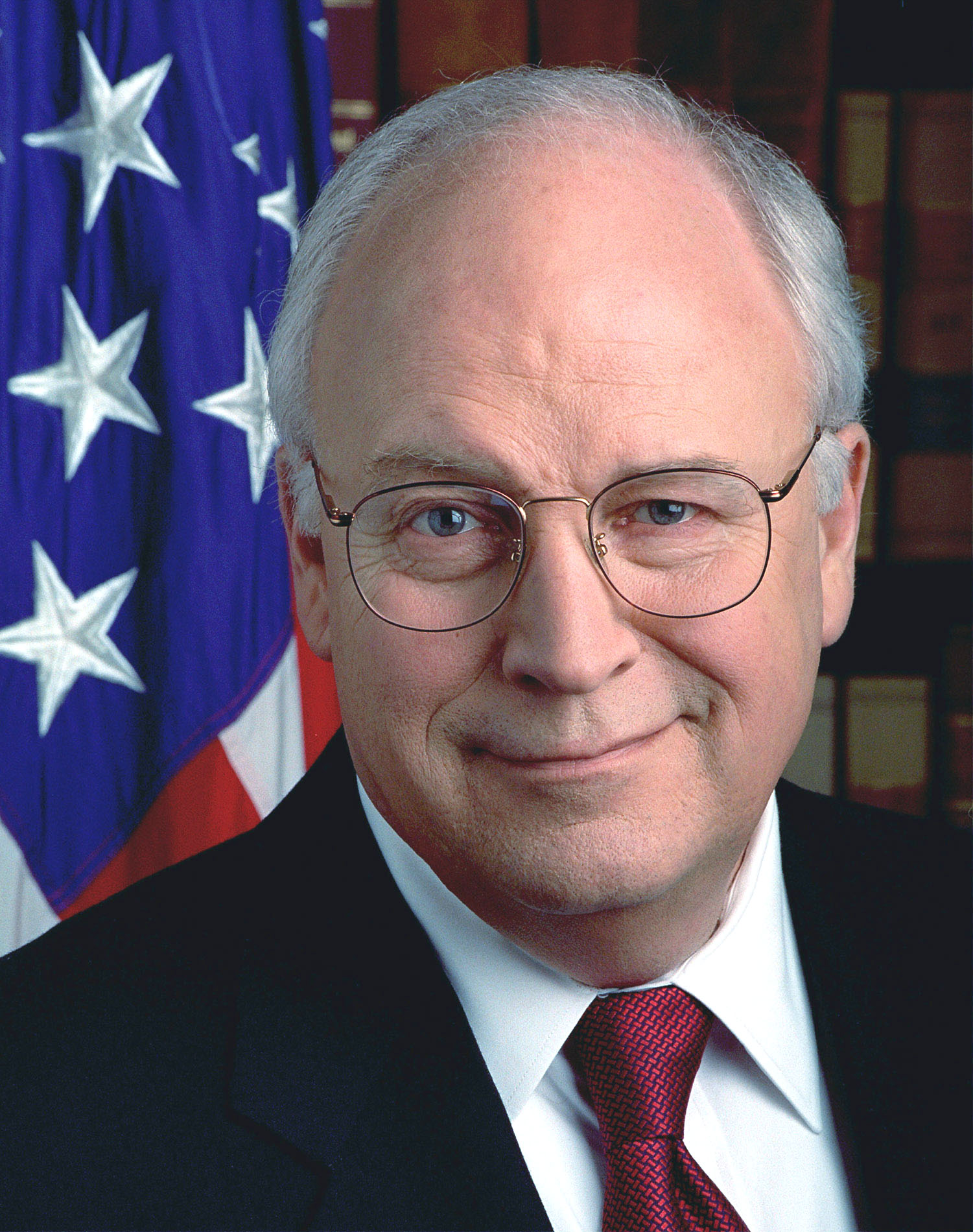
Let me handcuff you to a chair and slap you around. It's for national security purposes, of course.

Dick Cheney: The White House must stop dithering.

Decoder: Obama needs to quickly make bad decisions without thinking them through and stubbornly stick to them. That’s how it’s done.

Dick Cheney: I was and remain a strong proponent of our enhanced interrogation program.

Decoder: Americans are queasy about the word “torture,” so I’ve started referring to it as “an enhanced interrogation program.” Sounds classier.

Dick Cheney: I think the President made the right decision to send troops into Afghanistan. I thought it took him a while to get there.

Decoder: He paused to think. W. never gave me trouble like that. My incredible sense of arrogance tells me that I’m smarter than everyone else despite my unimpressive track record, so I think people should do what I want without question. Also: Bush and I never got around to focusing the military on terrorists in Afghanistan and Pakistan because we were too busy fighting an unnecessary war in Iraq, which was based on incorrect evidence about nonexistent WMDs.

Dick Cheney: But I do repeatedly see examples that there are key members in the administration, like Eric Holder, for example, the attorney general, who still insists on thinking of terror attacks against the United States as criminal acts as opposed to acts of war.

Decoder: Eric Holder has not ruled out prosecuting me, so he’s officially a meanie. I will try to paint him as an out-of-touch liberal despite the fact that he worked in the Reagan administration.

Dick Cheney: I believe very deeply in the proposition that what we did in Iraq was the right thing to do. We got rid of one of the worst dictators of the 20th century. We took down his government, a man who’d produced and used weapons of mass destruction.

Decoder: There were no weapons of mass destruction in Iraq in 2003 even though I insisted there were. So I’ll try to divert from that by mentioning that there were once weapons there. Worth a shot.

Dick Cheney: I think the–the proper way to–to deal with the Christmas Day bomber would have been to treat him as an enemy combatant. I think that was the right way to go.

Decoder: The Bush administration didn’t put shoe bomber Richard Reid into military custody, but that was nine years ago, so people probably forgot.

Dick Cheney: I was a big supporter of waterboarding. I was a big supporter of the enhanced interrogation techniques.

Decoder: I forgot to call it “enhanced interrogation techniques” the first time, but I quickly caught myself.

Dick Cheney: Twenty years ago, the military were strong advocates of “Don’t Ask, Don’t Tell.” I think things have changed significantly since then.

Decoder: Every now and again, I like to take another man to a quiet place on a ranch and give it to him in the face really hard.

Dick Cheney: The reason I’ve been outspoken is because there were some things being said, especially after we left office, about prosecuting CIA personnel that had carried out our counterterrorism policy or disbarring lawyers in the Justice Department who had helped us put those policies together.

Decoder: The reason I’ve been outspoken is because if my underlings get prosecuted, then it’s just a matter of time until they come for me. And Dick Cheney ain’t going to the Graybar Hotel.

Read other Decoders.

Tags: , , , ,

Hong Kong rose to great heights due in part to the unusual governing agreement between China and Britain.

The amazing Arts & Letters Daily referred me to an article in the British journal Prospect about a new and improved type of urban development in poor countries. The piece, “For Richer, For Poorer, authored by Stanford economist Paul Romer, is an in-depth look at the possibilities and perils of his pet project, Charter Cities.

Instead of richer countries sending aid down a sinkhole in poorly managed, impoverished cities. Romer contends that a charter be set up between a developed and underdeveloped country allowing the more prosperous nation to begin a new city with brand new rules on uninhabited land. Those who wish to migrate to the new city would be welcome to participate in the building of the urban environment.

I think the economist may be underestimating the will of many governments to keep their people poor and powerless to maintain their own positions, but it certainly can’t hurt to try. Perhaps a couple of successes will entice poor but basically benign societies to participate.

Romer uses the histories of Hong Kong and Mauritius for important lessons in how Charter Cities can succeed. An excerpt from his writing about Hong Kong:

“Hong Kong was a successful example of a special zone that could serve as a model for charter cities. In the 1950s and 1960s, it was the only place in China where Chinese workers could enter partnerships with foreign workers and companies. Many of the Chinese who moved to Hong Kong started in low-skill jobs, making toys or sewing shirts. But over time their wages grew along with the skills that they gained working with educated managers, and using modern technologies and working practices.

Over time they acquired the values and norms that sustain modern cities. As a result, Hong Kong enjoyed rapid economic growth.

Even if it had wanted to, the Chinese government acting alone could not have offered this opportunity. The credibility of rules developed over centuries by the British government was essential in attracting the foreign investment, companies and skilled workers that let these low-skill immigrants lift themselves out of poverty. As in Mauritius, authority rested ultimately with the British governor general, but most of the police and civil servants were Chinese. And the benefits demonstrated in Hong Kong became a model for reform-minded leaders in China itself.”

Tags:

Not Rosie O'Donnell.

Pitchers and catchers are reporting to spring training camps in Florida and Arizona this week, so it’s time to look at the best names of minor-league baseball teams with major-league affiliations. Enjoy.

Read other Listeria lists.

Shanghai's Puxi Viaduct, used by thousands of motorists each hour, has five levels of bridges connecting two of the city's busiest highways.

The great Newmark’s Door pointed me to “The 19 Most Dangerous and Complex Roads in the World” on waze.com. The feature presents photos and descriptions of some of the most treacherous driving you can imagine.

Only one of the killer pathways is here in the U.S.–Los Angeles’ Judge Harry Pregerson Interchange, an exhaustingly complicated maze that doesn’t seem possible outside of a video game. Perhaps the one that makes me the most vertiginous is Bolivia’s North Yungas Road (appropriately dubbed the “Road of Death“). An excerpt from the feature about this South American highway to hell:

“Famous for its extreme danger, it was christened as the ‘world’s most dangerous road’ in 1995 by the Inter-American Development Bank. The single-lane width, extreme drop offs, and lack of guardrails, only add to the danger lurking behind. Further, the fog and rain can make visibility poor and the road surface muddy, loosening rocks from the hillsides above. It is estimated that 200 to 300 travelers are killed per year on this treacherous road.”

Tags:

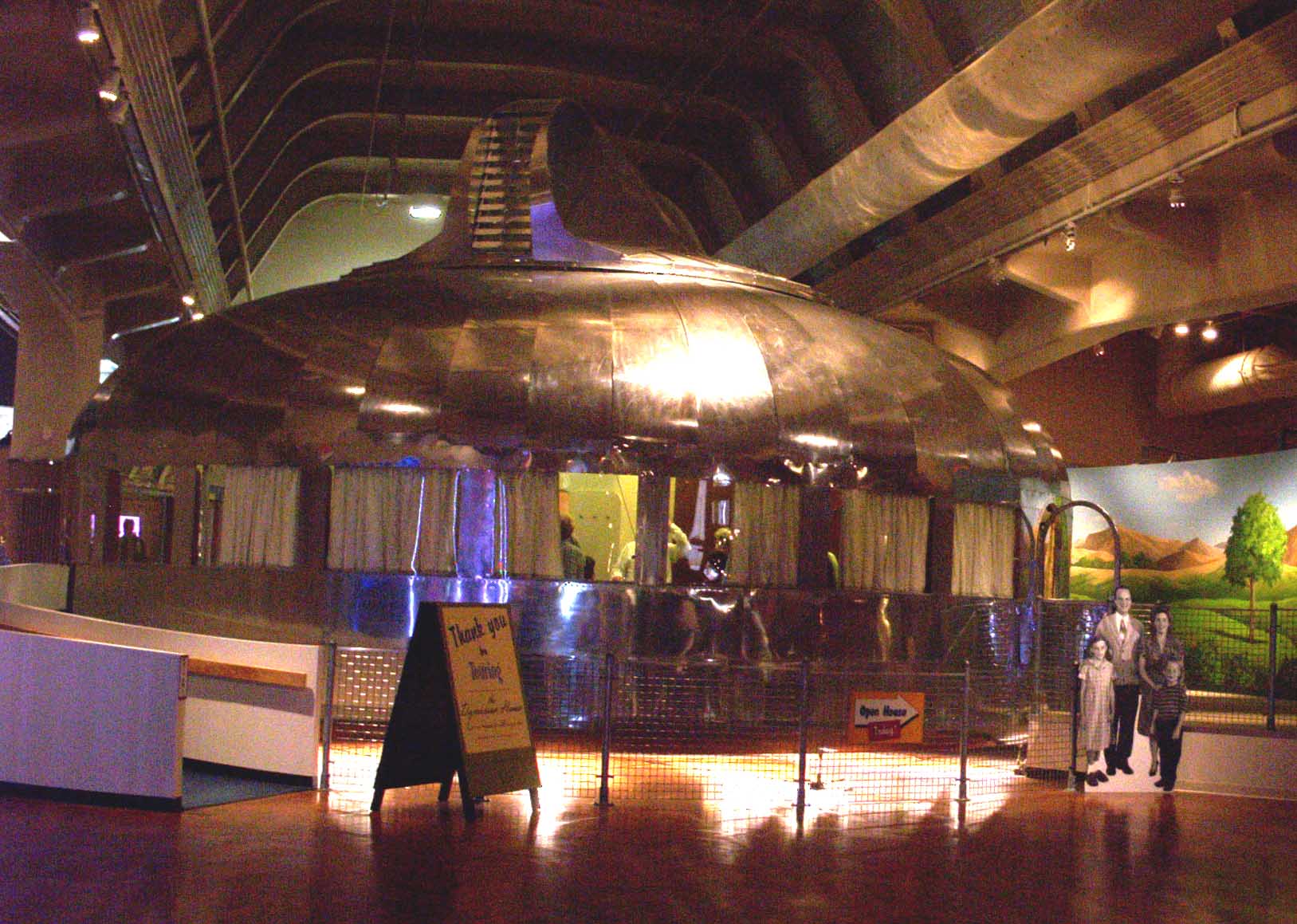
A Dymaxion House on display at the Henry Ford Museum in Michigan. (Image courtesy of rmhermen.)

Even though architect Buckminster Fuller has long been revered as a visionary theorist, not many of his designs, including several iterations of his pre-fab, space-age autonomous building, the Dymaxion House, ever caught on. In fact, no Dymaxion was ever built according to Fuller’s specifications and inhabited, even though it was energy efficient, had a waterless bathroom and was designed to withstand any climate.

But his futuristic house designs were taken seriously in a 1946 Life articleFuller House,” which was subtitled “Newest answer to housing shortage is round, shiny, hangs on a mast and is made in an airplane factory.” An excerpt from the article:

“Unveiled last week was the most startling solution yet offered for the U.S. housing shortage. It was a round aluminum structure, 36 feet in diameter. At its center was a mast, anchored in the ground. From it radiated cables on which walls and floors were hung. Around the outside ran a plastic window. On the roof ran a streamlined, revolving ventilator. The inside had four wedge-shaped rooms, two baths, range, dishwasher, refrigerator, garbage-disposal unit, three revolving closets and three electric bureaus.

Some called it a house, others a machine. Designed by Buckminster Fuller, it was made by Beech Aircraft Corporation, Wichita, Kansas, which expects to be producing it in volume by next January. The house is a descendant of Fuller’s 1927 Dymaxion House, but, unlike its ancestor, is eminently practical. Included in the hoped for selling price of $6500 are all appliances plus shipping and erection charges anywhere in the U.S.”

Tags:

Come sit by the fire with me, soldier. Why it's warm enough here that you could remove your shirt.

“The cold passed reluctantly from the earth, and the retiring fogs revealed an army stretched out on the hills, resting. As the landscape changed from brown to green, the army awakened, and began to tremble with eagerness at the noise of rumors. Rumors about gay stuff.

Once a certain tall soldier developed virtues and went resolutely to wash a shirt. He came flying back from a brook waving his garment bannerlike. That show-off was always looking for an excuse to be shirtless. And he was swelled with a tale he had heard from a reliable friend, who had heard it from a truthful cavalryman, who had heard it from his trustworthy brother, one of the orderlies at division headquarters. He adopted the important air of a herald in red and gold.

“They’re going to repeal “Don’t Ask, Don’t Tell” t’morrah–sure,” he said pompously to a group in the company street.

“It’s a lie! that’s all it is–a thunderin’ lie!” said another private loudly. His smooth face was flushed, and his hands were thrust sulkily into his trouser’s pockets. He took the matter as an affront to him. “I don’t believe the derned old army’s ever going to repeal. I’ve got ready to come out eight times in the last two weeks, and they ain’t repealed yet.”

The tall soldier felt called upon to defend the truth of a rumor he himself had introduced. He and the loud one came near to fighting over it. But they was always havin’ lovers’ quarrels.

Many of the men engaged in a spirited debate and some slow dancin’. Meanwhile, the soldier who had fetched the rumor bustled about with much importance. He was continually assailed by questions.

“What’s up, Jim?”

“Th’army’s goin’ t’ repeal.”

“Ah, what yeh talkin’ about? How yeh know it is?”

“Well, yeh kin b’lieve me er not, jest as yeh like. I don’t care a hang.”

There was much food for thought in the manner in which he replied. He came near to convincing them by disdaining to produce proofs. They grew much excited over it. Visibly excited.

There was a youthful private who listened with eager ears to the words of the tall soldier and to the varied comments of his comrades. After receiving a fill of discussions concerning the repeal, he went to his hut and crawled through an intricate hole that served it as a door. He wished to be alone with some new thoughts that had lately come to him. Thoughts about how incredibly gay the regiment was. The whole thing was like Charles Nelson Reilly Day at Fort Elton John. It was almost like being in the Navy.

The youth was in a little trance of astonishment. So they were at last going to repeal. He had long despaired of witnessing a Greeklike struggle. But if that’s what the Tall Soldier and the Loud Soldier wanted to do in their tent, who really cared, he thought. After all, I’m not an insecure child and the important thing is we’ve got a fucking war to win.”

Read other Ruined Classics.

Tags: , ,

« Older entries § Newer entries »