Videos

You are currently browsing the archive for the Videos category.

Jay Walker is best known as the guy who created Priceline, but he’s really more interesting for his personal obsessions than for his business ventures. Walker’s poured a lot of his Internet wealth into creating the Library of Human Imagination, a mind-blowing private collection in his Connecticut home that is the realization of his catholic tastes in historical and contemporary artifacts.
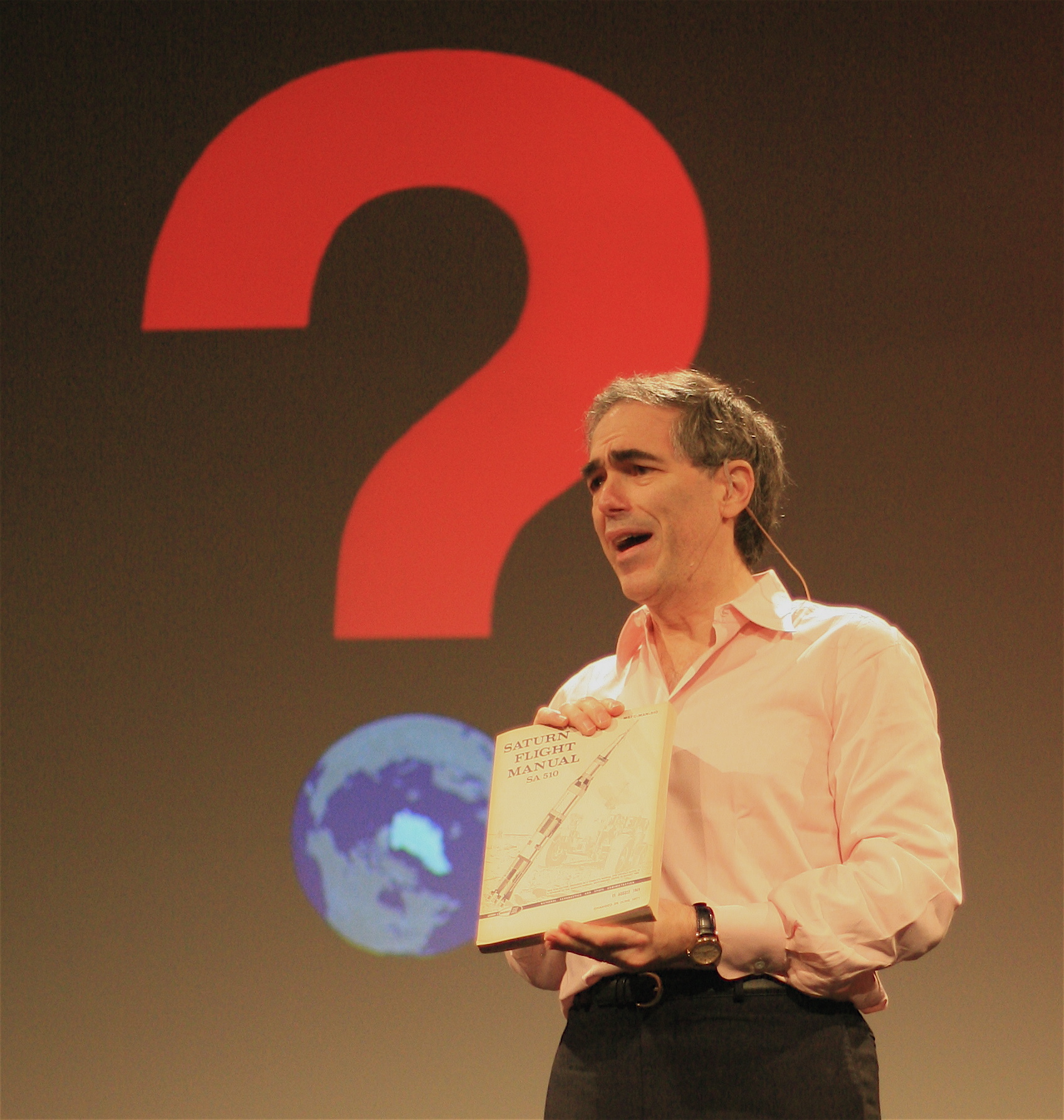
Walker shows off an authentic Apollo in-flight manual. (Image by Steve Jurvetson.)

The three-story 3,600-square-foot building was the subject of a really fun piece in Wired in 2008. That article provided a tour of some of the highlights of Walker’s overwhelming inventory: a Gutenberg Bible, a Sputnik satellite, a field tool kit for Civil War surgeons, the napkin on which FDR outlined his plan to win WWII, a 300,000,000-year-old fossil, meteorite fragments, the chandelier from the James Bond film Die Another Day, an Apple II motherboard signed by Steve Wozniak, the first 16th-century maps that included North and South America, etc.

Walker gave a TED talk (also in 2008), playing show-and-tell with some of his treasures. In talking about creativity, he echoed what neuroscientists have been telling us fo some time: “Once we shape the brain in a new way, it never returns to its original shape.”
Tags:

Star-crossed computer pioneer Gary Kildall spent years trying to dissuade people from feeling sorry for him, but he eventually came to see their point. The Seattle native was a genius who was toting around a portable PC of his own creation as far back as the early 1970s. He understood the power of the microprocessor before pretty much anyone else and created CP/M, the first modern operating system, also in the ’70s.

But even though Kildall’s company DRI (Digital Research, Inc.) made him a good deal of money, he would be elbowed aside in 1980 by Bill Gates’ knockoff version of CP/M called MS-DOS. And Kildall’s time at the center of the computer business was over just like that, though he tried to take it in stride.

The computer scientist was eventually worn down by years of being compared unfavorably to Gates and wrote his memoirs to try to correct his footnote status in an industry that owed him much better. Kildall’s life went from tortured to tragic in 1994, when he died at 52 from a blood clot in his brain after being the victim of some sort of shadowy violence in a biker bar in Monterrey.

••••••••••

From 1995:

Tags: ,

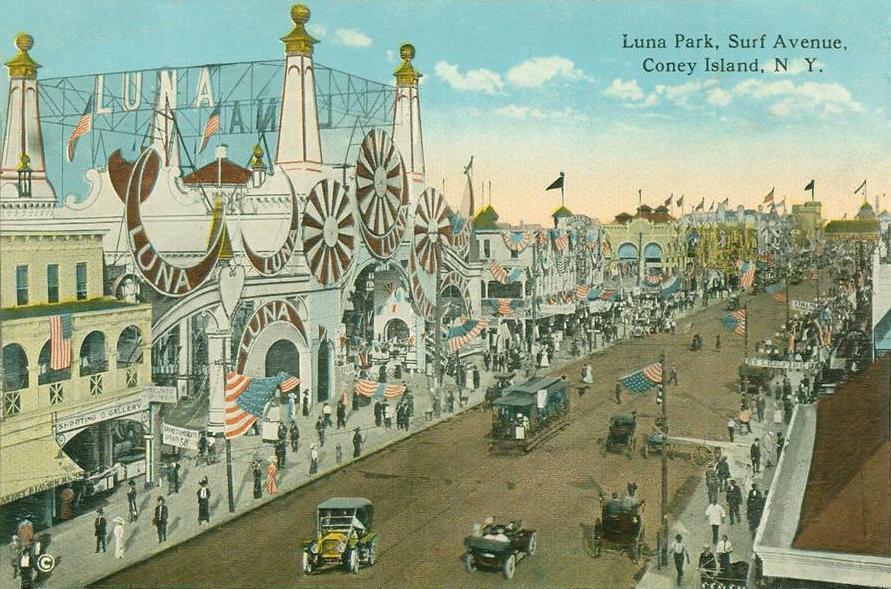
A 1913 postcard shows the grandeur of Luna Park.

Coney Island was nearing the end of its greatness as an amusement mecca in 1940 when this fun short film was made. Fires would soon destroy Luna Park and nothing would ever be the same again. But Coney’s decline would have occurred anyway. It became such a big deal because its blend of entertainment, science and social experiment was ahead of its time, as it began to grow into its amazing self in the years after the Civil War through the early twentieth-century.

Coney continued as the largest amusement-park area in America until the end of WWII. Then the rise of automobiles, air conditioning and the aggressive development of entertainments in Manhattan and other parts of the country diminished its efficacy. Large parts of the area are being redeveloped now, but it will just be a fun amusement park (not a bad thing) rather than its former visionary self.

For a tremendous look at its grand past, get your hands on Ric Burn’s wonderful documentary, Coney Island. For a quick look at the resort in the final stages of its glory days, watch this nine-minute video.

Other recent Videos:

  • Balloon failure at Chicago’s World Fair. (1933)
  • The hippie craft of “marbling.” (1970s)
  • Fifteen-year-old guru tries to levitate the Astrodome. (1974)
  • Edward Kienholz’s controversial L.A. art show. (1969)
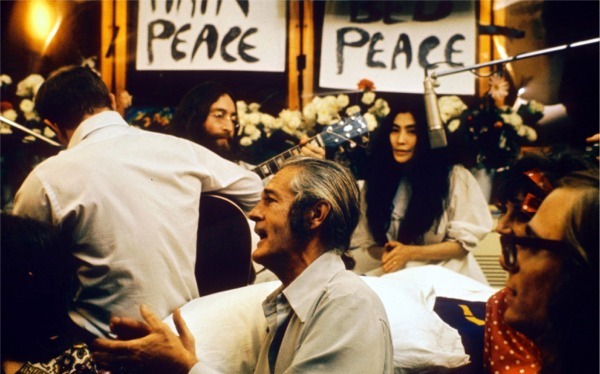
  • Timothy Leary interviewed at Folsom Prison. (1970s)

Tags:

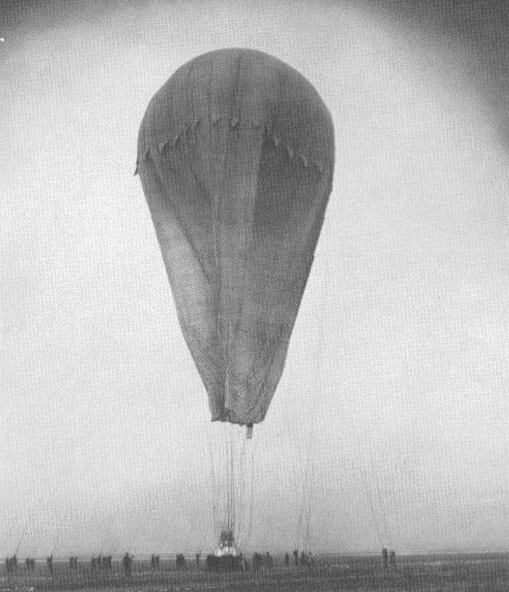
Although the pictured balloon looks dubious, this image is from Settle's successful follow-up voyage in November.

It was in 1933 at the “Century of Progress International Exposition” in Chicago that Naval Commander and aviation expert Thomas T. W. “Tex” Settle (briefly) met one of his great waterloos. It was that summer on August 5 in Soldier Field when the Stratosphere Ascension balloon, flown solo by Settle, was to be one of the highest-altitude balloon flights ever.

Anticipation of the launch was international news. The solo flight was greeted by a cheering throng of 40,000. One of the Swiss designers who worked on the balloon, Jean Piccard, gave autographs to worshipful fans. The pre-flight ceremonies were reported to have lasted more than seven hours. And because of an open gas valve, the balloon stopped its ascent and began to plummet a mere ten minutes into the flight. It crashed in a nearby railroad yards. Luckily, only Tex’s pride was injured.

He successfully completed the flight (with the aid of an additional crewman) in November of that year in Akron, Ohio; there was only a small fraction of the original audience to see the balloon off, but the flight did garner some national attention.

Watch the one-minute-and-forty-second raw film footage of his less-successful flight.

Other recent videos:

  • The hippie craft of “marbling.” (1970s)
  • Fifteen-year-old guru tries to levitate the Astrodome. (1974)
  • Edward Kienholz’s controversial L.A. art show. (1969)
  • Timothy Leary interviewed at Folsom Prison. (1970s)

Tags:

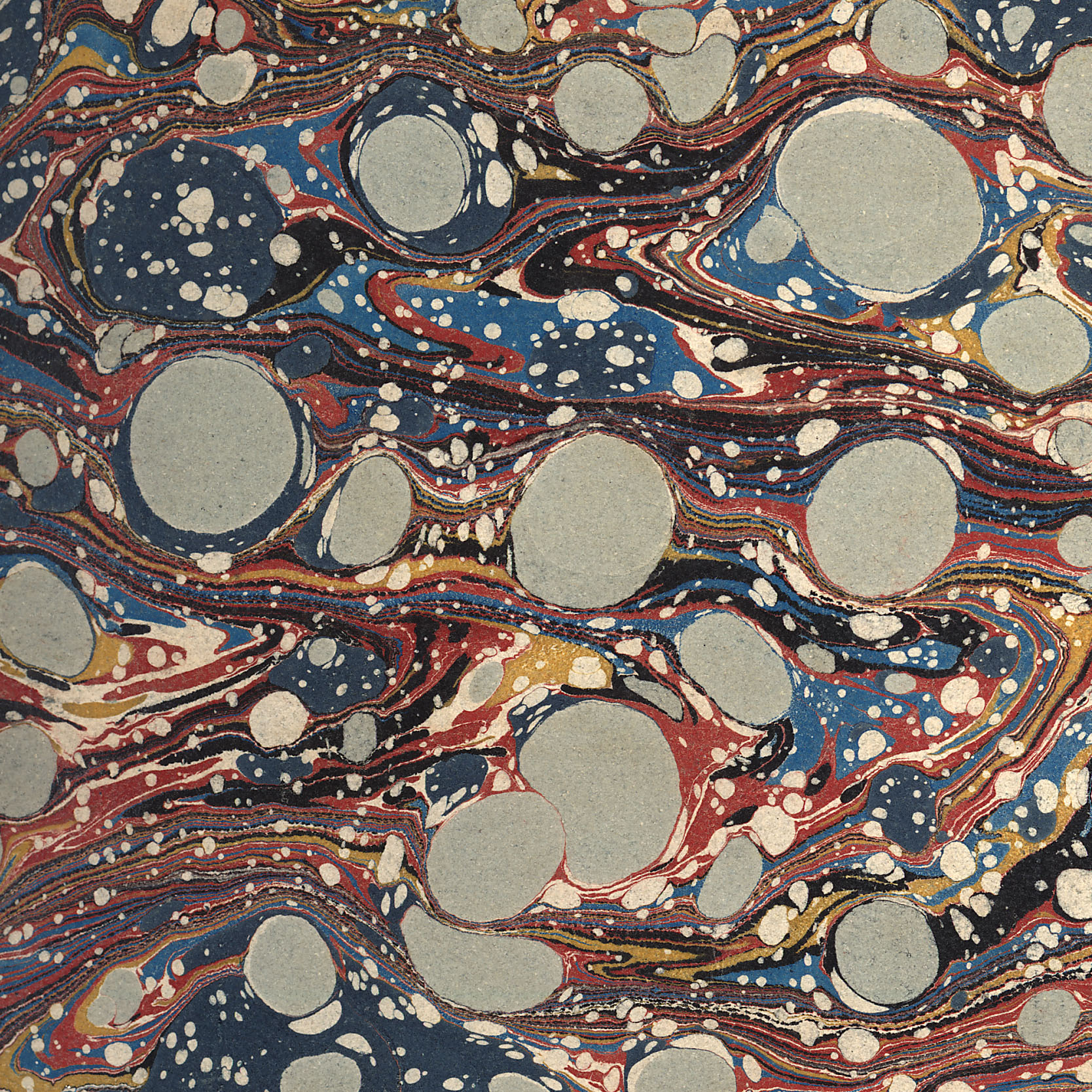
This marbling piece isn't from the movie, but it is still incredibly groovy. (Image by Aristeas.)

“Marbling” is the craft of floating paints on top of the surface of water and immersing a fabric or parchment in it to create a multicolor design. The five-minute 1970 documentary short shows the hippie marbling pioneer known as “Cove” creating one of his large-scale works in Berkeley. It then presents some recent comments from the now gray-haired artist, as he recalls using the money he made from sales of his fabrics to purchase paint supplies, weed, rice and groupies. These days, Cove is an artist and political activist who lives in Sante Fe, New Mexico. Watch the very groovy short film.

Other recent videos:

  • Fifteen-year-old guru tries to levitate the Astrodome. (1974)
  • Edward Kienholz’s controversial L.A. art show. (1969)
  • Timothy Leary interviewed at Folsom Prison. (1970s)

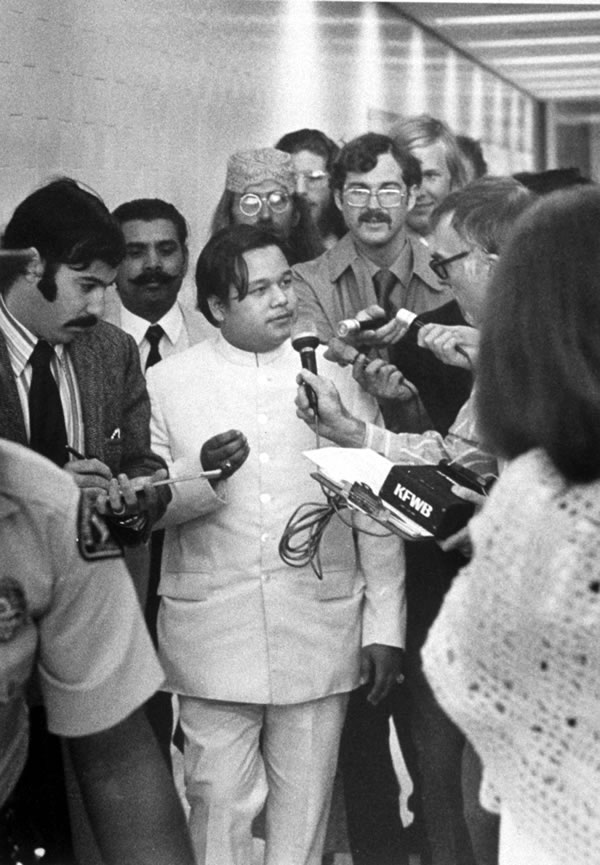
The world was strange in 1973, even stranger than it is today. That was the year of the three-day festival, Millennium ’73, when thousands of Vietnam War protestors gathered at the Houston Astrodome to hear the words of 15-year-old Shri Guru Maharaj Ji, who they believed was God. The attendees also thought that perhaps they could use their spiritual powers to levitate the stadium and make it fly, which would somehow stop the war.

i found a three-and-a-half-minute clip from the David Loxton documentary The Lord of the Universe, which captures some of the madness surrounding the teenage guru, who later changed his name to Prem Rawat. This segment particularly examines how the controversial event caused a deep rift between Chicago Seven member Rennie Davis and leaders of the Left, including Abbie Hoffman. 

Tags: , , , ,

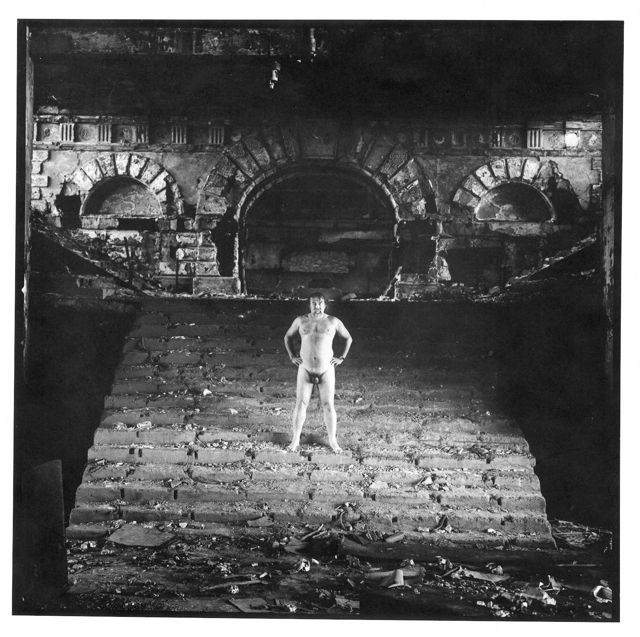
Kienholz is certainly on exhibit in this picture by German photographer Lothar Wolleh.

One of the founders of the famed Ferus Gallery in Los Angeles, Edward Kienholz used found objects and carpentry skills learned from a boyhood spent on a farm to create his installations. Mannequins, abandoned cars and hollowed out TVs were modified and arranged with great care to serve as social criticism, sometimes giving off the vibe of American life descended into a sort of pulpy horror movie.

This 21-minute documentary by June Steel chronicles Kienholz’s controversial 1966 show at the L.A. County Museum of Art. That exhibit included “Back Seat Dodge ’38.” This piece and others were thought to be obscene by certain critics. Instead of interviewing the artist, Steel gets reactions to the installations from museum visitors, a cross section of people of different races and ages.

The smart movie is as much a chronicle of the time and place it was made in as it is of the artist’s work. Watch “Kienholz on Exhibit.”

Tags: ,

During his 1970 gubernatorial race against Ronald Reagan in California, the philosopher, LSD guru and countercultural icon, Dr. Timothy Leary, was railroaded into a 20-year prison sentence for the dubious charge of possession of two joints. Leary escaped from the penitentiary, spent time in Algeria with Black Panther Eldridge Cleaver before the two had a falling out, and was finally recaptured at an airport in Afghanistan. He was returned to the states to continue his sentence at Folsom Prison.

During his stint there, Leary was able to film a 27-minute interview that his wife Joanna could use to stump for his release. Despite being made by Leary and his spouse and not an objective third party, it’s an interesting encounter.

California Governor Jerry Brown released Leary in 1976 and the controversial figure ended up focusing the last two decades of his life encouraging the construction of space colonies and being an early Internet enthusiast. Despite being right on many issues, Leary always seemed to me like a slickster with the gigantic ego of a small child. But you can decide for yourself while watching the video.

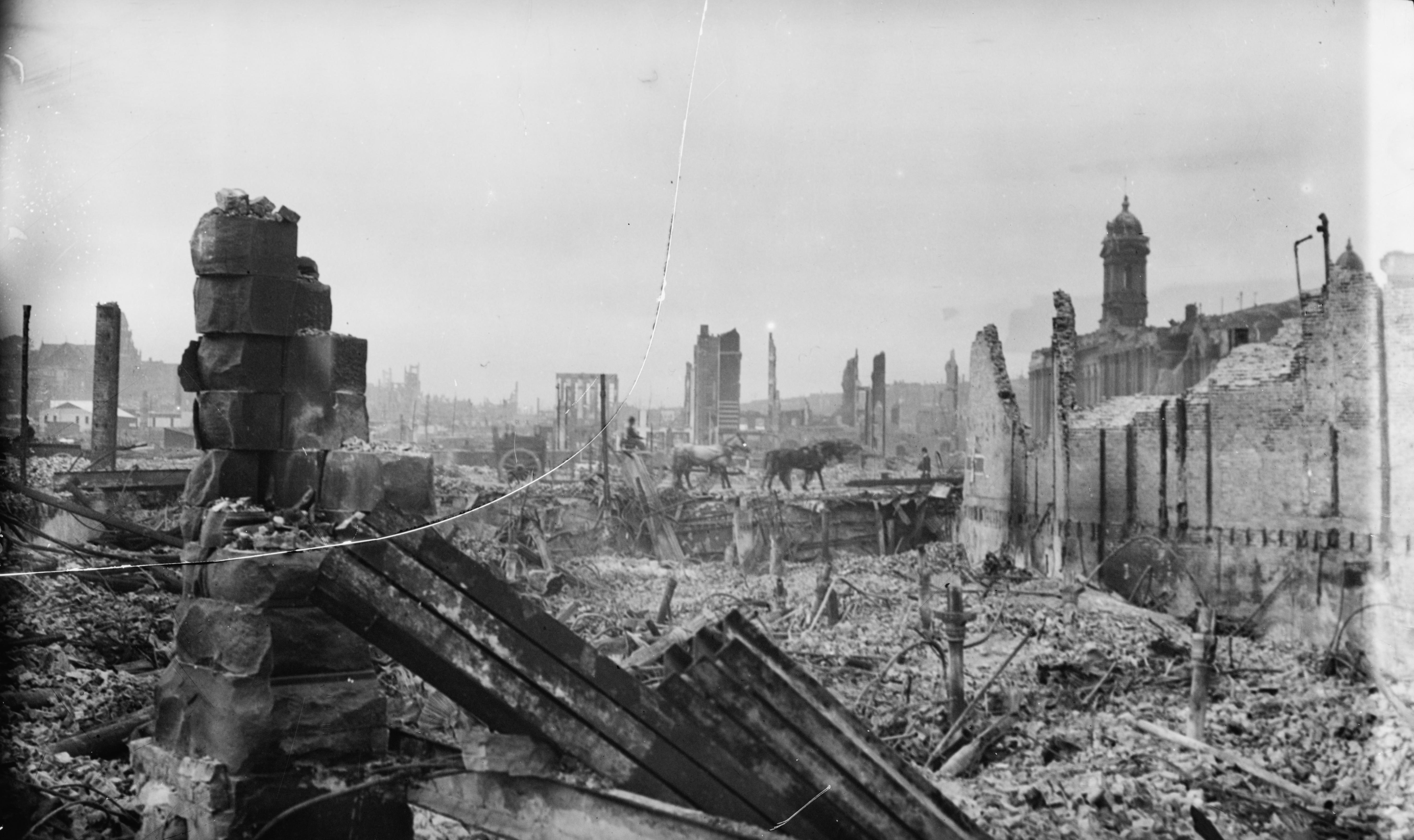
A photo of the 1906 ruins taken by Arnold Genthe, also famous for his shots of San Fran's Chinatown.

February 27, 2010 was a historically tragic day in Chile due to an 8.8-magnitude earthquake. President Michelle Bachelet officially declared a “state of catastrophe.” In 1906, a similar magnitude earthquake rocked San Francisco, causing massive devastation.

Fires started by the quake created a second wave of terror, and things were so frightful that Mayor Eugene Schmitz gave police and order to kill anyone found looting (though perhaps he should have been shot). The Press Democrat of Santa Rosa declared that “it came with awful force and suddenness, hurling many people from their beds. Before the terrified community could realize what had happened, the entire business section was a mass of ruins, every residence had been more or less damaged, some being completely wrecked, and approximately half a hundred or more people had been swept into eternity.”

The results of the natural disaster can be seen in a five-minute Edison newsreel recorded in the aftermath of the quake. View it here.

Tags:

A 1908 photo of a Catawba potter. Speck's film about the tribe looks at its outstanding skill with the craft.

According to the Internet Archive, Dr. Frank Gouldsmith Speck (1881-1950) was the founder of the Anthropology department at the University of Pennsylvania in 1910 and remained chairman of the department for 40 years.

Speck was born in Brooklyn and acquired an interest in Native American culture through a family friend who was of indigenous American descent. Speck rightly realized that the population decline among Native tribes made urgent his work to record their culture. In this 19-minute film, he profiles the Catawba hunting, using medicine, meeting a Mormon missionary and creating pottery. Visit the Internet Archive site to view the film.

Tags: , ,

Only one out of 500,00 people in America live to age 100. Our bodies are programmed to make it to 90, but the average life expectancy in the U.S. is 78. Why is that? National Geographic writer Dan Buettner studied communities all over the world that have the highest density of centenarians to try to answer that question. In this 20-minute TED Talk, he discusses the habits and diets of golden oldies in, among other places, Sardinia, Okinawa and Loma Linda, California. You may never become a 97-year-old surgeon who performs 20 open-heart operations a month like one of the elders Buettner profiles, but it’s still a worthwhile video to watch.

Tags:

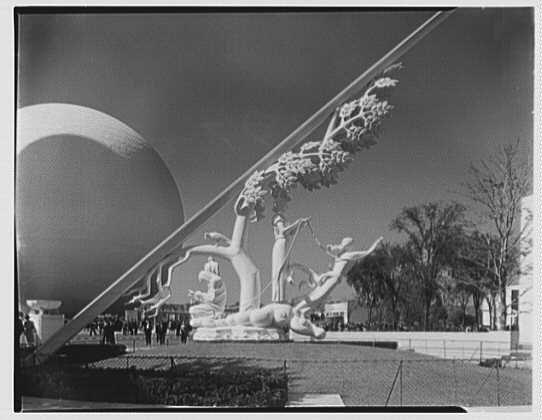
The sun dial at 1939 World's Fair in New York says it's time to watch a featured video.

Some of the things you’ll see in this soundless 10-minute video mash-up of home movies of New York’s 1939 World’s Fair: Fair Corporation President Grover Aloysius Whalen, the League of Nations building, the Baby Incubators building (though not any actual babies in incubators), Laff Land, a scary looking parachute ride, Admiral Byrd’s Penguin Island, the building housing Olga the Headless Girl (though not Olga or her neck stump), a daredevil being “frozen alive,” automobile stunts, dancing girls sunbathing topless (yup!), Penelope Shoo: The Scarecrow of Tomorrow, glass blowers, waterfalls, fireworks and many, many strips of Kraft Premium Bacon. Watch the video.

Tags: , , , ,

Thanks to the fine folks at boing boing who pointed me in the direction of this video of a soap box derby like no other. Amanda Pope‘s 24-minute film documents a 1975 race that saw more than 100 Bay Area artists (including Fletcher Benton, Viola Frey, Richard Shaw, etc.) create eye-popping, mind-bending soapbox racers and trophies to raise funds for the San Francisco Museum of Modern Art. The car designs are so great that I can’t choose a favorite. Maybe Benton’s Animal Crackers car or Shaw’s pencil car.

Tags: , , ,

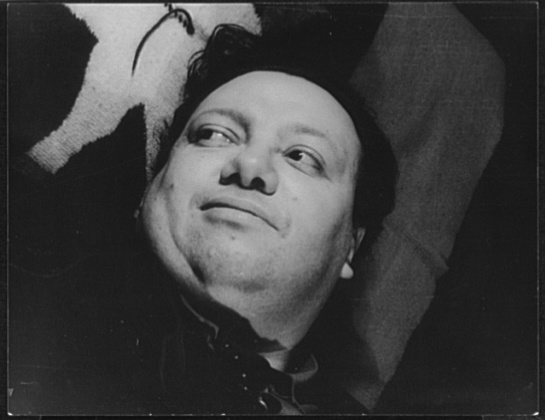
"Keep that 16mm camera on Diego Rivera's handsome face," says Diego Rivera.

There are tons of great videos on the Internet Archive, including the travelogues of Watson Kintner (1890-1978), a chemical engineer at RCA by trade who sojourned extensively and had a knack with a 16mm camera. The kind folks at the University of Pennsylvania Museum of Archaeology and Anthropology have preserved the movies and shared them online. The particular film I’m linking to in this post is of a vibrant-looking Mexico in either 1933 or 1934. Although most of the people Kintner recorded on his trip were unknown locals, look for the scene of Diego Rivera standing alone in a room. The video embed is causing me havoc, so I have to redirect you to the official site to watch the 7-minute film.

Tags: ,

On June 22, 1897, the Edison Film Company recorded this horse race at the Sheepshead Bay Racing Track in Brooklyn, New York. The track was built by prominent businessmen in 1880 and was popular until Governor Charles Evans Hughes banned all racetrack gambling in the state in 1910. The track was eventually sold and an auto racing track was subsequently built. It eventually ran into financial troubles as well and the land was purchased by real estate concerns.

From what I can gather, there were nine horses competing in this 1897 race. A horse named Clifford, who was then approximately seven years old, was the heavy favorite and easily dispatched of his competitors.

Tags: , ,

The great Library of Congress channel on YouTube provides us with this 1897 footage of Seattle, Washington, as the Klondike Gold Rush was in full force. The brief, shaky clip shows excited miners (or “stampeders”) equipping themselves with supplies. Many stampeders ultimately lost their lives in their quest. In fact, the outfitters got much richer serving their customers than the miners did from pursuing valuable rocks and dust. Not surprising, really. The pathways pioneers incidentally develop are usually far more valuable than the riches they seek.

Tags:

This brief 1918 clip of Theodore Roosevelt comes to us courtesy of the Library of Congress channel on YouTube. The former President was in Manhattan to be an honorary pallbearer at the funeral of onetime New York City Mayor John Purroy Mitchell. I’m pretty sure you could have baked some beans in Roosevelt’s hat.

According to nyc.gov, Mitchell, known as the “Boy Mayor” because he was elected to the post in 1914 at the mere age of 35, was a crusader against corruption and the drafter of the city’s first comprehensive budget. The city won acclaim for his waste-cutting and proper management, but Mitchell was not reelected. He subsequently enlisted in the Army Air Service to fight in WWI and died in a plane crash while doing his military training in Louisiana.

Tags: ,

The Library of Congress has a fun YouTube account that has samples of some of the rare videos they possess. I found a 1902 clip by Thomas Edison that shows bathers frolicking at the Sutro Baths in San Francisco. Adolph Sutro built the public bathhouse in 1896; it burned to the ground during its demolition in 1966. Based on this video, it had a 50-foot-high water slide which was all kinds of fun. In a letter published in a 1998 San Francisco Chronicle, an elderly man named Bill Roddy recalls the Sutro Baths when he was a child in the 1930s, when it had started getting a little run down. An excerpt:

“I went outside and walked a few feet to Sutro Baths, a massive Victorian structure that was beginning to show its age. I think I paid 25 cents admission. I was given a swim suit (we could not bring our own) and a meager towel. The suits were not trunks. They covered all of my puny body with straps that went over my shoulders, and they were made of wool with ‘Sutro Baths” across the front in white letters. As if anybody would have wanted to steal one!

I changed into my woolen suit and raced down the stairs to the baths. There were eight or nine pools with temperatures ranging from hot to ice cold. The biggest pool had a waterwheel.”

Because ice hockey, blue jeans and great lyrics never go out of style, I’m posting this classic 1979 video of the disco age. Sasson was a ubiquitous name in that first burst of designer denim during the ’70s, before an ebb in the craze and poor management decisions led to bankruptcy and criminal charges. (In Hebrew, Sasson means “happiness.”)

The Rangers of the ’70s and ’80s never brought a Stanley Cup to the Garden, but they were big celebrities. Ron Duguay was sort of a proto-Bon Jovi on skates–a guy who got by on good looks and okay talent. Phil Esposito, who later became the team’s GM, was inducted into the Hockey Hall of Fame in 1984. And simply put, the man was an exquisite ice dancer.

Tags: , ,

Reyner Banham was an interesting figure in urban studies in the ’60s, ’70s and ’80s. Born in England, he fell in love with Los Angeles as a child, while devouring Hollywood-set silent movies. As an adult, he became a foremost architecture critic in an age when that profession barely existed, focusing a great deal of his writing on L.A. He died in 1988, just as he was about to move to New York to teach at NYU. At the time of his death, architect Philip Johnson asserted that Banham was “really one of the founders of architecture criticism, which has now become a worldwide profession.”

In 1972, the down-to-earth academic was the subject of a fun 51-minute BBC documentary, Reyner Banham Loves Los Angeles, that had him act as tour guide through the city he loved best. Watch for the amusing scene that has his friend, the artist Ed Ruscha, explain to Banham why the architecture of L.A. gas stations is so great.

Tags: , ,

Newer entries »